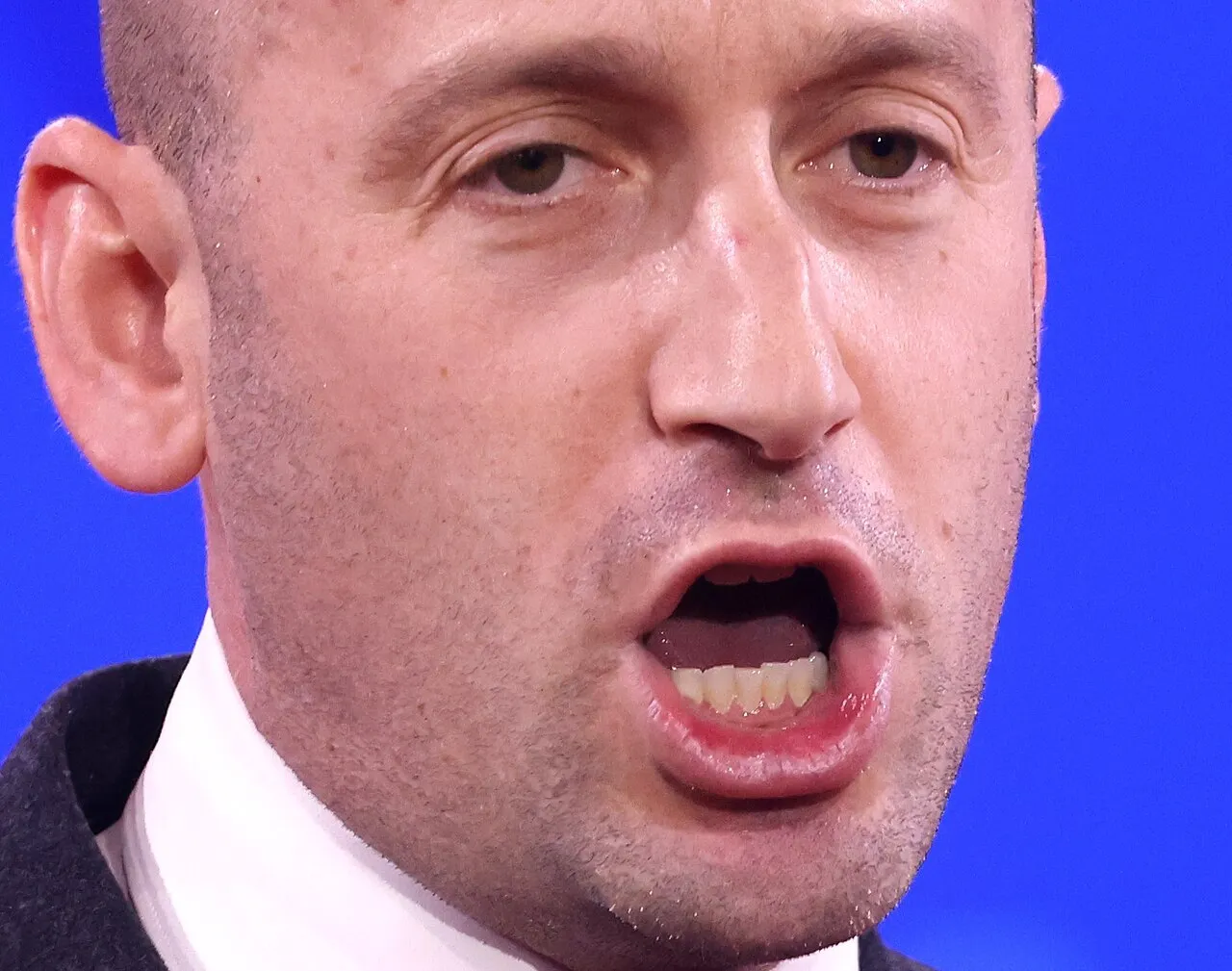
President Donald Trump said on Friday, November 6, that Stephen Miller will become his White House chief of staff, starting on Monday, November 9. Susie Wiles, who had run the West Wing since the second inauguration on January 20, 2025, submitted her resignation the day before and moves to the president's political operation.
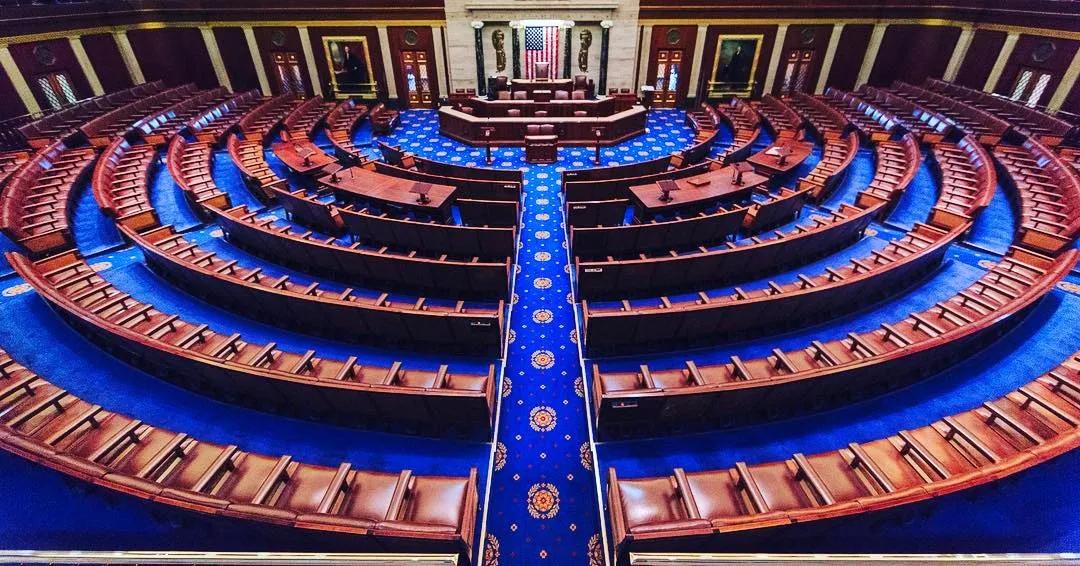
Trump told reporters he "wanted to make a change." CBS News reported that the decision followed the Republican defeat in Tuesday's midterm elections, in which Democrats took control of both chambers of Congress. As of Friday they had secured at least 253 seats in the House of Representatives and 54 in the Senate, with races in Alaska and Mississippi still uncalled.
The president had already signaled a shake-up
Hours before the announcement, in an interview with "60 Minutes" scheduled to air on Sunday, November 8, correspondent Ross Douthat asked Trump whether he expected to fire anyone after the losses. Trump answered that he did, "a little bit," and that there would be "maybe a few changes," while saying he loves his Cabinet.
He also said he has confidence in Defense Secretary Pete Hegseth, days after CBS News reported that he had asked advisers whether Hegseth should stay. Three other senior officials left earlier in 2026: Attorney General Pam Bondi, Homeland Security Secretary Kristi Noem and Labor Secretary Lori Chavez-DeRemer.
Who is taking the chair
Miller, 41, has held two jobs since January 2025: deputy chief of staff for policy and homeland security adviser. From them he has driven the administration's immigration enforcement — expanded raids and detention, faster removals, and an attempt to invoke the Alien Enemies Act of 1798 to deport people outside ordinary immigration hearings.
His record goes back further. In Trump's first term he helped write the 2017 entry restrictions on several Muslim-majority countries, pushed to lower the annual refugee ceiling, opposed the Deferred Action for Childhood Arrivals program, known as DACA, and defended the separation of migrant families at the border, a policy Trump reversed by executive order in 2018.
The move matters beyond the title. The chief of staff controls the president's schedule, who reaches him and what paper crosses his desk — and the appointment puts the author of the immigration agenda in that chair precisely as the opposition prepares to take the committee gavels in January.
The first reaction was a warning
Representative Robert Garcia of California, in line to chair the House Oversight Committee, said Miller "should lawyer up" and promised investigations into his conduct in the White House. Miller, in his own statement, praised Wiles and pledged to "fight with all of our soul" for the president.
Congress is still sorting itself out on both sides. Speaker Mike Johnson has said he will not seek the job of minority leader, with Steve Scalise and Jim Jordan running for leadership posts, while Senator Ron Johnson of Wisconsin and at least five colleagues have asked to delay the Senate Republican leadership elections. Trump told reporters late on Friday that the Senate "has to act" before the new Congress is sworn in.
Reporting from CBS News, Newsweek and the public record of Stephen Miller's service in the first Trump administration.