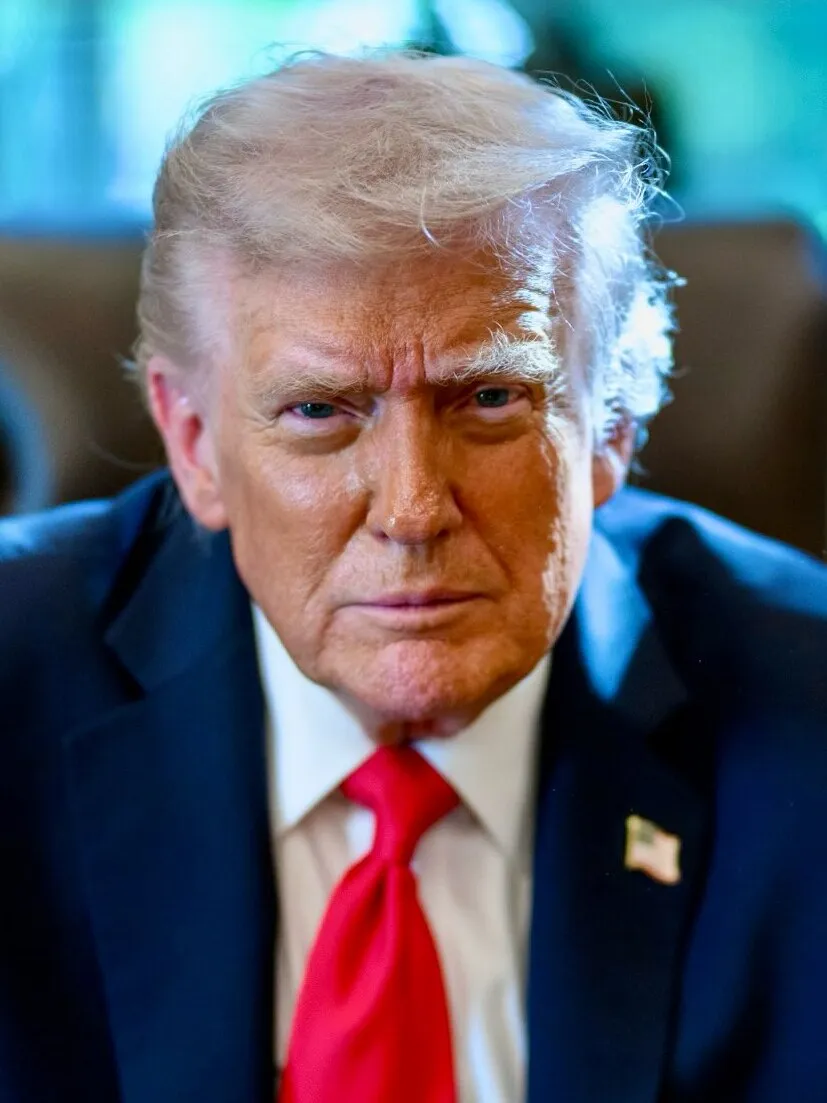
President Donald Trump signed an executive order on October 16, 2026 that puts the Lindsey O. Graham Sanctioning Russia and Iran Act of 2026 into force and, in the same document, suspends almost everything the law was written to do.
The act was signed on September 18, 2026. It handed the White House a set of tariffs and sanctions aimed at Russia's energy trade, and its operative measures were due to begin on Sunday, October 18.
What the order sets out
Section 2 of the order lists three increases in duties:
- 500% ad valorem on goods from the Russian Federation, subject to the exceptions in section 114 of the act;
- 100% on goods from the five largest importers of Russian crude oil and natural gas, if a country "knowingly makes new purchases" of that oil or gas on or after October 18, 2026;
- 100% on goods from the five leading facilitators of evasion of Russian oil sanctions, as that term is defined in section 113(i) of the act.
The order states that these increases apply on top of duties already in force, including those under Title VII of the Tariff Act of 1930, sections 122, 201 and 301 of the Trade Act, and section 232 of the Trade Expansion Act.
And what it takes back
Section 4 then waives them. Its first paragraph waives duties imposed "under sections 112 and 113 of the Act or this order" — language that reaches the increases section 2 had just described. The same section waives the sanctions and restrictions under section 102(d), and sections 102(a), 102(e), 103 through 111 and 117 as applied to foreign persons.
The waivers are open-ended. They stay in effect until the President or the Secretary of State determines that further action is appropriate, and the order sets no date for restoring the measures.
Sanctions that already existed under the Russia national emergency, continued on March 24, 2026 and published at 91 Fed. Reg. 15515, are untouched. Among the provisions suspended were measures aimed at Russia's shadow fleet of oil tankers, according to the Kyiv Post.
The legal route
The act lets the president waive its provisions after certifying to Congress that doing so serves the national interest — section 115. Section 1 of the order says only that the waiver is "in the national interests of the United States" and that the certification has been submitted to Congress. It gives no further rationale.
The machinery keeps running with the duties switched off. The United States Trade Representative is to monitor purchases of Russian oil and gas and acts of sanctions evasion, report to the president, and identify the five leading facilitators. Section 5 delegates the act's authorities to the Secretaries of State, Treasury and Energy and to the Trade Representative.
That is the order's practical shape: it publishes a tariff schedule and suspends it with the same signature, leaving the duties on the books as a standing threat rather than a charge anyone pays on October 18.
Reaction
In Congress, Republican Senator Thom Tillis questioned the administration's handling of a diesel arrangement with Moscow reached about a week before the order. Representative Don Beyer accused the president of yielding to Vladimir Putin, and Senator Elizabeth Warren said the administration was undermining congressional efforts to pressure Russia. A bipartisan group of senators had warned earlier that revenue from Russian energy exports funds the war in Ukraine.
At the European Union summit in Brussels on Friday, European Council President António Costa rejected any easing of pressure on Moscow. "This is no time to relieve Russia's sanctions," he said. Ukrainian President Volodymyr Zelenskyy called the diesel arrangement a "weak decision."
Reporting from the White House and the Kyiv Post.