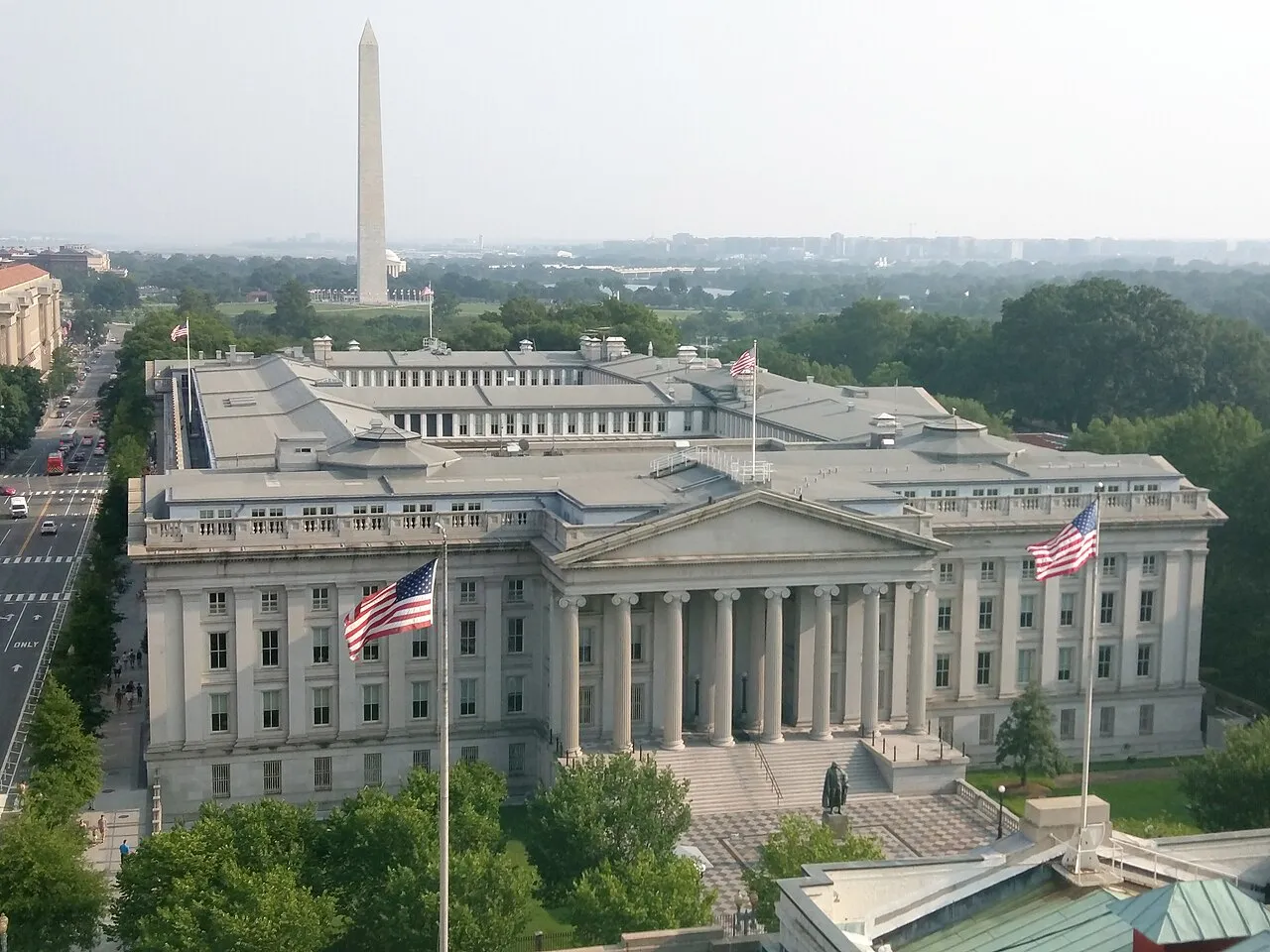
The Office of Foreign Assets Control (OFAC), part of the US Department of the Treasury, issued an amended version of its Venezuela earthquake-relief licence on Friday 16 October 2026. General License 60A replaces GL 60 and runs through 21 April 2027 — six months past the 23 October expiry that had been set. The licence covers relief for the double earthquake that struck Venezuela's northern coast on 24 June.
The authorisation does not lift sanctions. It carves out a defined set of transactions within them: those tied to relief efforts that would otherwise be barred by the Venezuela Sanctions Regulations (31 CFR part 591), and in particular the processing and transfer of funds to and from the country, including where the originator is a third-country person, provided the transfer supports that relief.
What changes for banks
The practical point sits in the payment chain. A US institution receiving a transfer bound for Venezuela has to determine whether the transaction is authorised, and it is that check which in practice holds payments up. The licence keeps the rule the earlier version carried: US banks and registered money transmitters may rely on the information the originator provides to establish whether a transfer falls within the authorisation, unless they know — or have reason to know — that it does not meet the requirements.
The limits stand as well. The licence does not unblock property frozen under the Venezuela programme, does not authorise transactions prohibited by other executive orders it does not mention, and does not exempt anyone from other federal rules, among them the export controls administered by the Department of Commerce. Alongside the licence, OFAC published an amended version of its frequently asked question No. 1263.
The original GL 60 was issued on 25 June, a day after the earthquakes, and supplements General License 29, the standing authorisation covering humanitarian, human-rights and peacebuilding work by non-profit organisations that must deal with the Government of Venezuela.
The disaster the licence accompanies
The two 24 June quakes struck about 39 seconds apart in the Veroes municipality of Yaracuy state, on the San Sebastián fault system. The United States Geological Survey (USGS) assigned them magnitudes of 7.2 and 7.5; other agencies read them as a single complex event of greater magnitude. The shaking was felt in La Guaira, Caracas, Carabobo, Aragua, Miranda, Trujillo, Falcón and Yaracuy, and also in Colombia, northern Brazil and the island Caribbean.
The most recent official toll reported in the press, from the 24 August bulletin, put the dead at 6,509, up from 6,438 in the previous bulletin, and recorded 226,696 people treated in hospitals. The same bulletin reported an assessment of 60,785 homes: 35,545 habitable, 14,239 with restricted access and 11,001 at high risk. Interior Minister Diosdado Cabello estimated the impact reaches some 70,000 families, and said more than a hundred buildings collapsed in La Guaira.
The extension lands while Washington and Caracas hold contacts over a political transition — a setting in which general licences have become the fine-tuning instrument of the sanctions regime. In June, OFAC had already issued General License 59, on maintenance and safety work for Conviasa aircraft, and amended the governing-law clauses of seven other authorisations.
With information from the Office of Foreign Assets Control of the US Department of the Treasury, El Nacional, Finanzas Digital, La Patilla, the Charity & Security Network, Baker McKenzie, El Diario and Infobae.