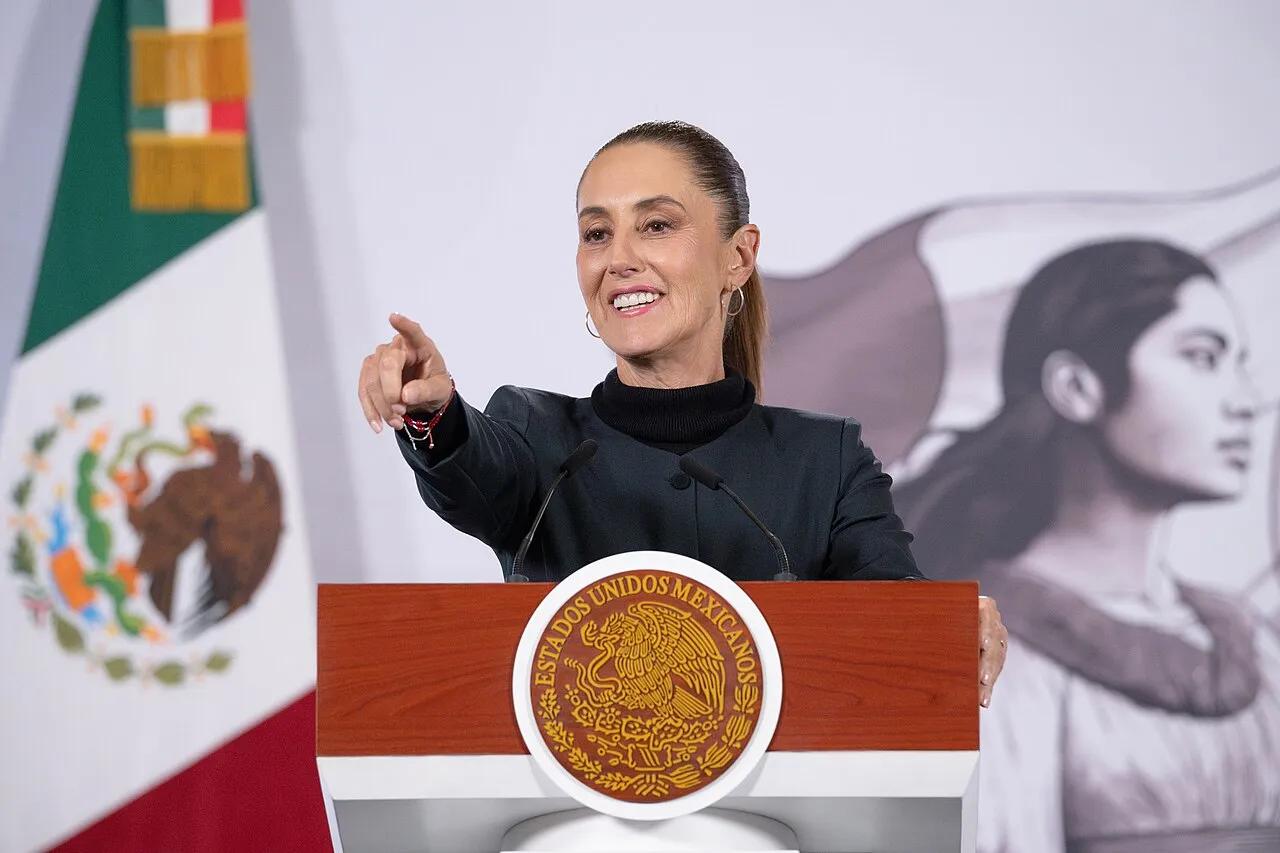
The Economic Commission for Latin America and the Caribbean (ECLAC) projected on Thursday, October 15, 2026, that the value of the region's goods exports will grow by about 20% this year — the largest increase since the post-pandemic rebound of 2021. The figure comes from the commission's annual trade report, Perspectivas del Comercio Internacional de América Latina y el Caribe 2026, presented at a press conference by its executive secretary, José Manuel Salazar-Xirinachs.
This year's report is subtitled with the importance of modern services exports and how to promote them, which signals its central argument: the region is selling what it has always sold at higher prices, and very little of what world trade is buying most eagerly.
Eleven points of price, nine of volume
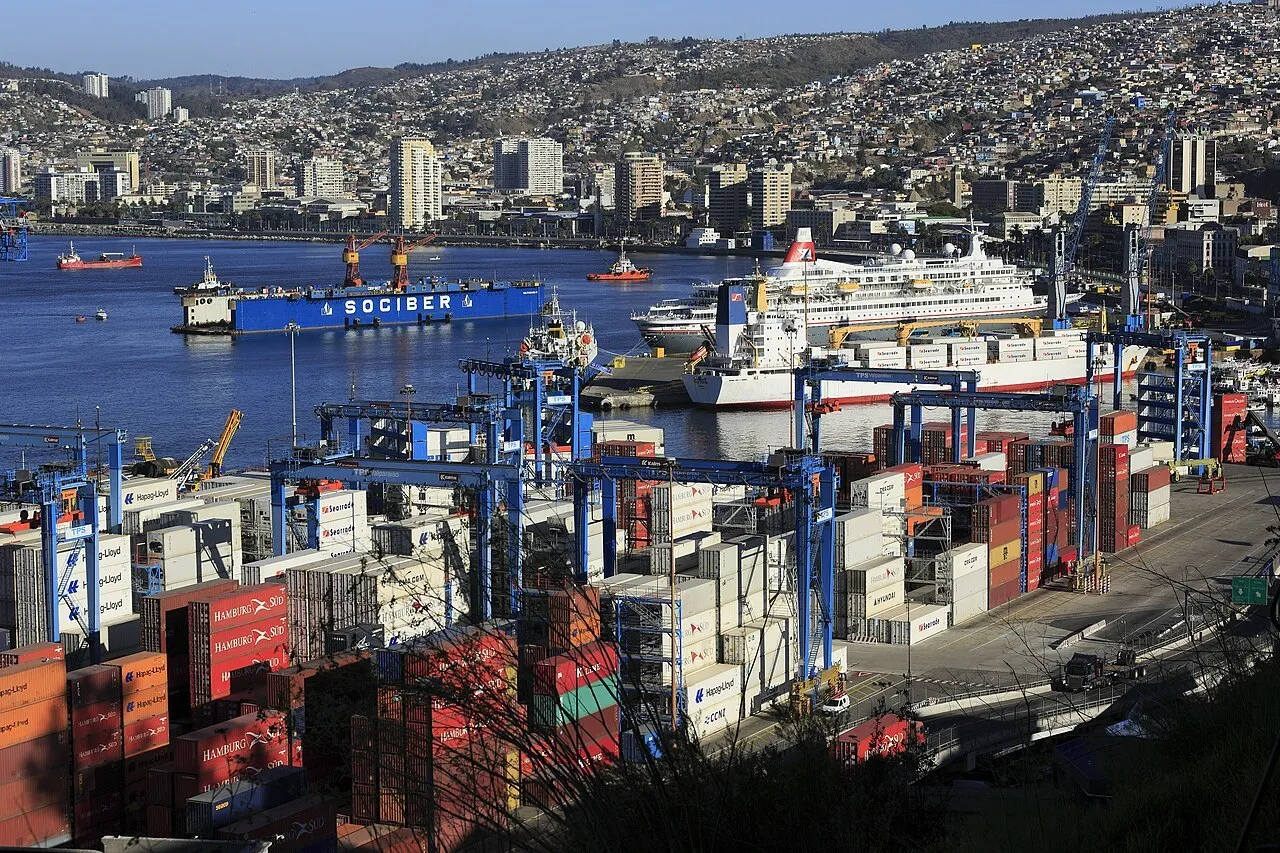
Of the 20 points of projected growth in export value, 11 come from prices and 9 from volume. It is the sixth consecutive year of growth in export volume, according to the commission.
On the buying side, the value of goods imports would rise 16%, with volume up 12% and prices up 4%. In the first half of 2026, the region's total trade in goods and services had already risen 18% on the export side and 13% on the import side compared with the same period of 2025.
The price effect is concentrated in a defined set of products: minerals and metals would become 31.6% more expensive, with notable gains in copper, gold, silver and tin.
Peru, Mexico and Bolivia in front
ECLAC expects 28 of the 33 countries in Latin America and the Caribbean to export goods worth more than in 2025, with double-digit increases in 16 of them.
- Peru: 30%
- Mexico: 26%
- Bolivia: 23%
The biggest gains are concentrated in Peru, Venezuela, Bolivia, Jamaica, Trinidad and Tobago and Guyana, driven mainly by hydrocarbon and other commodity prices. By subregion, South America would post the largest increase in export value, at 17%, helped by the commodity price cycle, while Mexico would stand out for the strength of its manufactured exports.
The Caribbean would grow 11%, but with a different composition: there, export volume would fall 2%, and the positive result is explained entirely by price.
Asia gains weight as a destination
The report also redraws the map of buyers. Regional exports to Asia excluding China would grow 32%, ahead of those to the United States (24%), the European Union (20%) and China (19%).
Salazar-Xirinachs placed the result within a world trade system being reconfigured by economic security, supply-chain resilience, sustainability, the use of interdependence as leverage, emerging technologies and the geographic reorganization of production. Among the risks he cited geopolitical tensions, logistical disruption and unpredictable trade policy: "The region faces significant challenges in an uncertain geopolitical environment," he said.
The document argues that "the region is benefiting from the growing international valuation of its natural resources" — a sentence that describes both the opportunity and the dependence — and points to competition for critical minerals and new environmental requirements as forces reshaping value chains.
Modern services: 2% of the world market
The region's services exports would grow 11% in 2026 and its services imports 9%, driven by the recovery in transport and travel. Tourism contributed especially in Central America and the Caribbean.
It is in the next stretch that the report places its emphasis. World trade in services reached US$9.6 trillion in 2025 and grew by an average of about 6.6% a year over the past decade. Latin American exports of modern services — programming, engineering, professional and business services — grew more than 3.5 times in two decades, against roughly 1.6 times for traditional services. And despite that growth, the region holds just 2% of world exports of modern services.
ECLAC highlights the cases of Costa Rica and Uruguay, where sustained public-private strategies underpin that kind of export. The commission's International Trade and Integration Division, headed by Daniela García, also commented on the findings.
An export boom with little growth behind it
The 20% is worth reading alongside another number: the International Monetary Fund (IMF) cut its 2026 growth forecast for Latin America and the Caribbean to 2.3%. A jump of that size in export value — with 11 of its 20 points explained by price and much of the rest by minerals and hydrocarbons — measures the international quotation of what the region extracts rather than the expansion of its productive capacity. It is also why ECLAC devotes its report to the one basket that does not depend on that cycle.
With information from ECLAC and Forbes Perú.