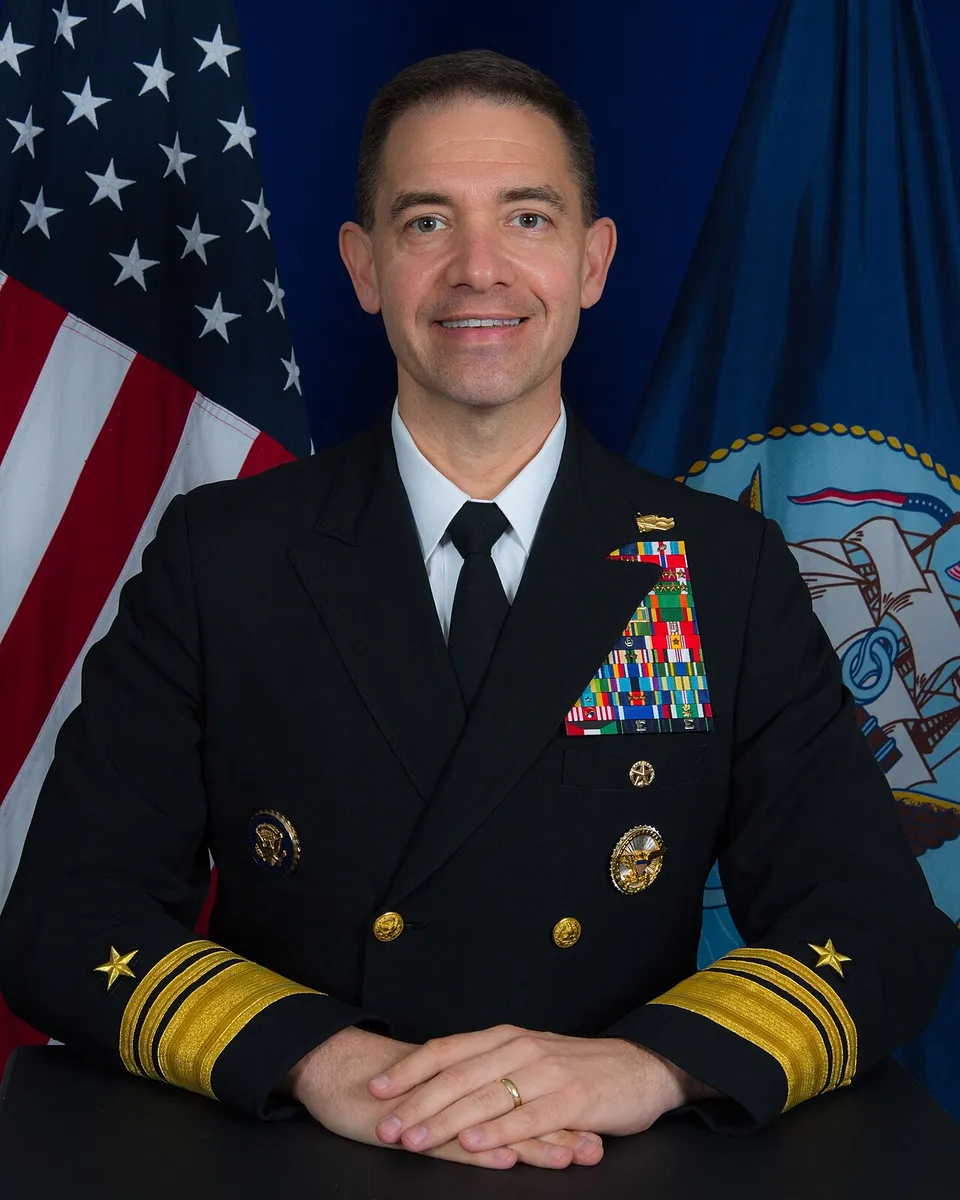
US Central Command (CENTCOM) announced on Saturday, November 7, the creation of a task force dedicated to choking off Iran's overland routes. Named Iron Gate, it was set up at the direction of Adm. Brad Cooper, the CENTCOM commander, and is a small outfit — about 20 people, civilian and military — based in Tampa, Florida.
Its job is not to operate ships but to align agencies. Iron Gate will coordinate with other US government bodies to block the movement of advanced weaponry, dual-use technology, sanctioned materials and illicit revenue across Iran's land borders and the Caspian Sea, the corridor linking Iran to Russia and to Central Asian countries.
Why the sea was not enough
The US blockade of Iranian ports is the central instrument of the campaign that began in February. By CENTCOM's own count, it has kept Iran from exporting more than $25 billion in crude oil in recent months. Shipping-tracking data compiled by Bloomberg indicate the country loaded no crude in either September or October — a complete halt without precedent in the Islamic Republic's history.
What the maritime cordon does not reach is land. A Reuters investigation cited by the American press reports that Iran has imported about $2 billion in equipment, explosives and heavy-duty trucks since January 2025, through a discreet network of military agencies. That is the route the new task force intends to close.
Tehran keeps Hormuz shut
Iran ties any end to hostilities to the lifting of the blockade, and says the Strait of Hormuz will stay closed until Washington meets its demands. In recent days Tehran has carved out narrow exceptions: ships from China, India, Iraq and Qatar were released from the restrictions on the passage.
Iranian army spokesman Mohammad Akraminia said the country's forces are on higher alert than at the start of the conflict, now in its ninth month. On November 4, Supreme Leader Ayatollah Mojtaba Hosseini Khamenei said the outcome of the US midterm elections would not change Iran's position, and called expectations of a shift in American policy "gravely mistaken".
Diplomacy has not stopped, either: Iranian Foreign Minister Abbas Araghchi spoke with the foreign ministers of 12 countries in 48 hours, according to Gulf News.
Pressure from without and within
The military escalation runs alongside political attrition in Washington. Vice President JD Vance blamed the war for the Republican defeat in the midterm elections, and the party's own Senate candidates began calling for the campaign to end. Donald Trump acknowledged the conflict's weight in the result but said he does not regret starting it, and confirmed fresh strikes on an Iranian air-defence system, which he described as "minor".
On that same November 7, CENTCOM said it had disabled the cargo ship M/V Huda, flagged in St Kitts and Nevis, in the Gulf of Oman, alleging that the crew ignored warnings while trying to breach the blockade after calling at an Iranian port.
With information from Kurdistan24, Anadolu, International Business Times, Gulf News and Al Jazeera.