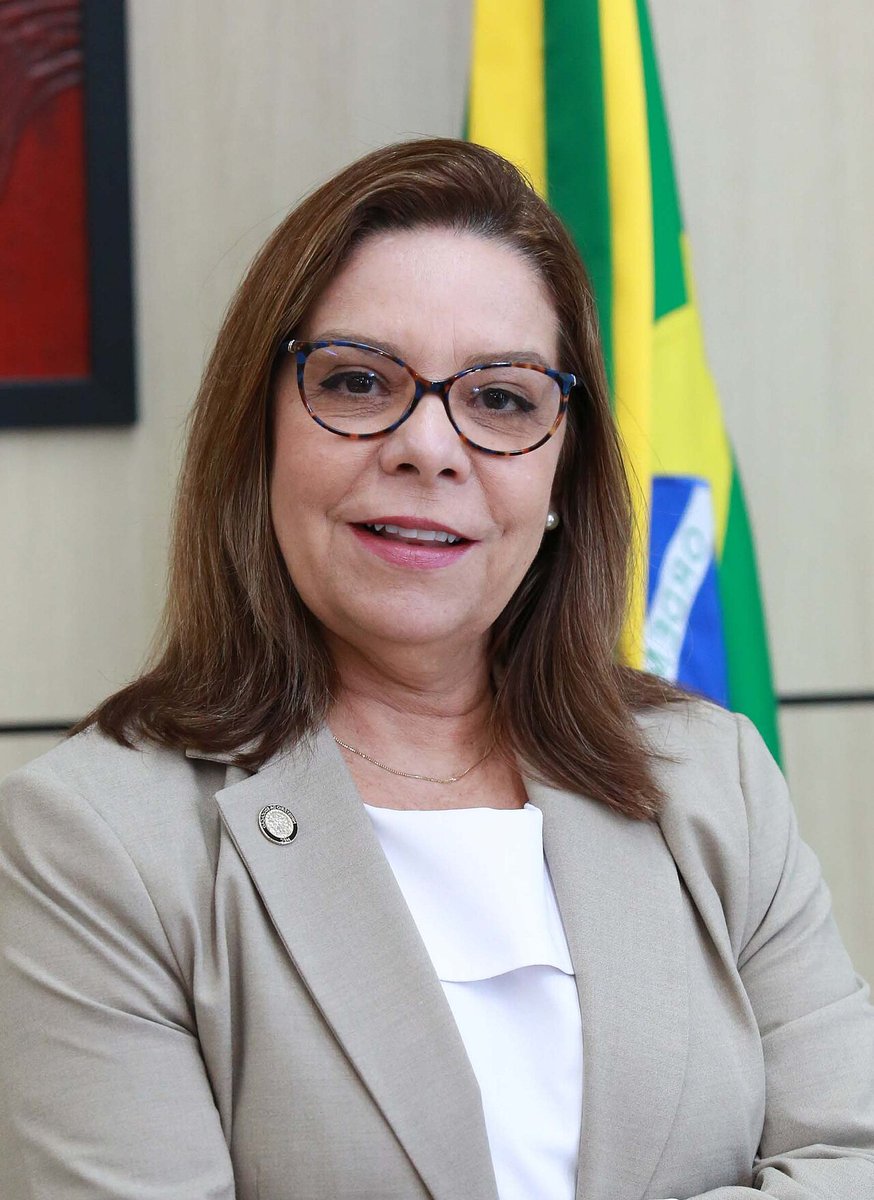
Denise Pires de Carvalho, 61, a physician and president of Capes (the Brazilian federal agency that evaluates and funds graduate education), has been chosen by UNESCO as Assistant Director-General for Natural Sciences. The announcement came on Tuesday (29). It is the first time a Brazilian — in this case, a Brazilian woman — holds a sector directorship at the United Nations Educational, Scientific and Cultural Organization since it was created in 1945.
The science sector covers UNESCO's work in the exact and natural sciences: its water, ocean, ecosystem and international scientific cooperation programmes all sit under that heading. Until now, no Brazilian had reached that level in the organisation's structure, in any sector.
Who she is
Carvalho trained as a physician and took her master's and doctorate at the Universidade Federal do Rio de Janeiro (UFRJ), where she is a full professor at the Carlos Chagas Filho biophysics institute. In 2019 she became the first woman to hold the rectorship of UFRJ, a university founded in 1920.
She left the rectorship in 2023 to become secretary for higher education at Brazil's Ministério da Educação (Ministry of Education) and, in February 2024, took over Capes — the foundation that grades Brazilian postgraduate programmes and funds most of the country's master's and doctoral scholarships.
In its note on the selection, UNESCO highlighted her experience in research leadership, programme evaluation and international scientific cooperation, along with work on equitable access, gender equality and inclusive institutional governance.
"Whoever denies science denies the development of the nation"
The line is hers, and it sums up the argument she has made in public office: that science answers questions put to it by society, and that scientists should not isolate themselves from it.
The choice had the backing of the Brazilian government, coordinated through the education and foreign ministries, according to the newspaper Correio Braziliense. Neither a start date nor a successor at Capes has been announced.
Why it matters
The post carries practical weight: the science sector helps set the priorities of programmes Brazil uses — freshwater monitoring, biosphere reserves, cooperation in ocean research. A Brazilian in the job changes who is in the room when those priorities are decided, in a year when the country is also hosting discussions on climate and the Amazon.
The limit is just as clear. UNESCO does not fund research on the scale of national agencies, and its budget has been shrinking since major contributors withdrew. The job confers influence over the agenda, not over the money.
With information from Agência Brasil and Correio Braziliense.