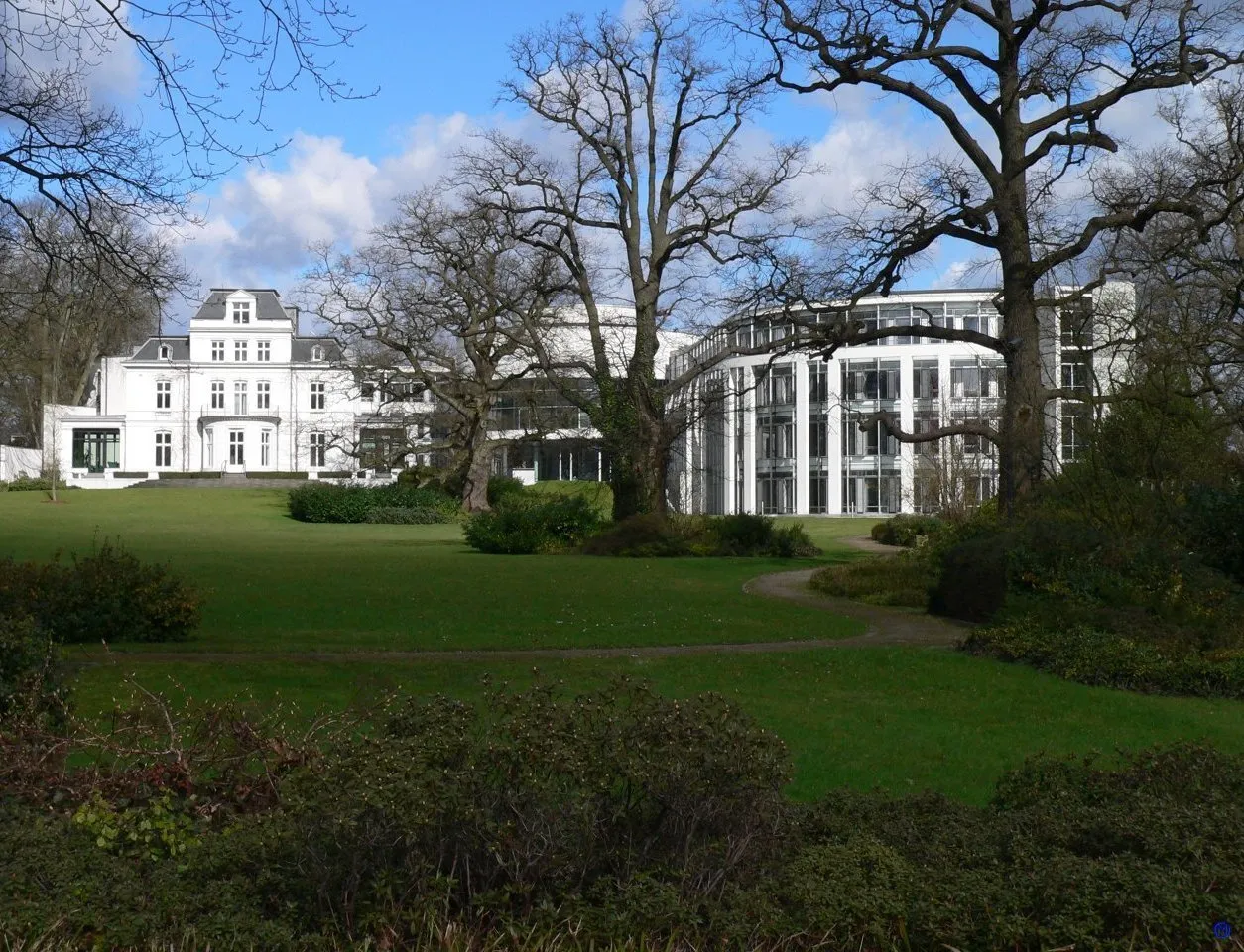
The International Tribunal for the Law of the Sea (ITLOS) opened hearings in Hamburg on Tuesday on Argentina's request that the United Kingdom halt the Sea Lion oil project, north of the Falkland Islands (Islas Malvinas). Both delegations argue on 10 and 11 November 2026 in the tribunal's main courtroom, in a public hearing streamed live on the institution's website.
The case is formally titled "Case concerning hydrocarbon exploitation in the South-West Atlantic Ocean (Argentina v. United Kingdom)". Argentina began arbitration against London on 28 September under Annex VII of the United Nations Convention on the Law of the Sea (UNCLOS) and, on 13 October, asked the Hamburg tribunal for provisional measures while the arbitral tribunal that will rule on the merits is being constituted.
The hearing dates were set by the tribunal's president, Judge Maurice K. Kamga, in an order dated 20 October. On 9 November, at 10 a.m., judges ad hoc Lowe and Vinuesa made their solemn declarations as members of the tribunal for this case.
The four measures Argentina is seeking
The request rests on article 290, paragraph 5, of UNCLOS, which allows ITLOS to order urgent measures before the arbitral tribunal is formed. Argentina asks that the United Kingdom:
- prevent the start or continuation of hydrocarbon exploitation through Sea Lion;
- refrain from granting new permits;
- preserve exploration data and not use it to Argentina's detriment;
- not obstruct Argentina's compliance with its marine environmental obligations.
The filing argues that extracting oil from the disputed continental shelf would cause irreversible harm, because a later ruling could not restore a resource already extracted, and warns that a spill could reach Argentine waters outside the disputed area. It invokes articles 192 and 194 of UNCLOS, on protection of the marine environment, and two UN General Assembly resolutions: 2065, of 1965, which recognised the existence of a sovereignty dispute over the islands, and 31/49, of 1976, which urged the parties not to take unilateral decisions that alter the situation.
What Sea Lion is
The project is operated by Navitas Petroleum, with 65%, and Rockhopper Exploration, with 35%. It lies in the North Falkland Basin, about 198 kilometres north of the islands according to Argentina's filing.
The first phase provides for 11 subsea wells tied back to the Aoka Mizu, a floating production, storage and offloading vessel (FPSO), plus a pier and an onshore logistics base. The second adds 12 more wells, about three years after production begins. Drilling is planned for early 2027 and production for March 2028.
That timetable explains much of the urgency argument: Argentina is not litigating ownership of the resource in Hamburg, but asking for the schedule to be frozen before the first well makes it a fait accompli.
The British position
The United Kingdom added its submission to the record on 2 November and will ask for every measure to be rejected. It challenges the future arbitral tribunal's jurisdiction over the dispute and argues that Argentina has shown neither urgency nor irreparable harm. London has also signalled it will resist any attempt to use the case to settle sovereignty over the archipelago, while accepting that any measures the tribunal does order would be binding.
Uma Kumaran, the British minister for the overseas territories, said the Argentine filing "does not invalidate the authorisations" granted to the project.
What the tribunal has to decide
In granting measures, ITLOS does not rule on the merits of the dispute. It must establish three things: whether the arbitral tribunal would have prima facie jurisdiction over the case, whether the rights Argentina invokes are plausible, and whether the situation is urgent. Its decision will come after the hearings and settles neither sovereignty nor title to the resources.
With information from the International Tribunal for the Law of the Sea, ArgenPorts, Diario Huarpe and MercoPress.