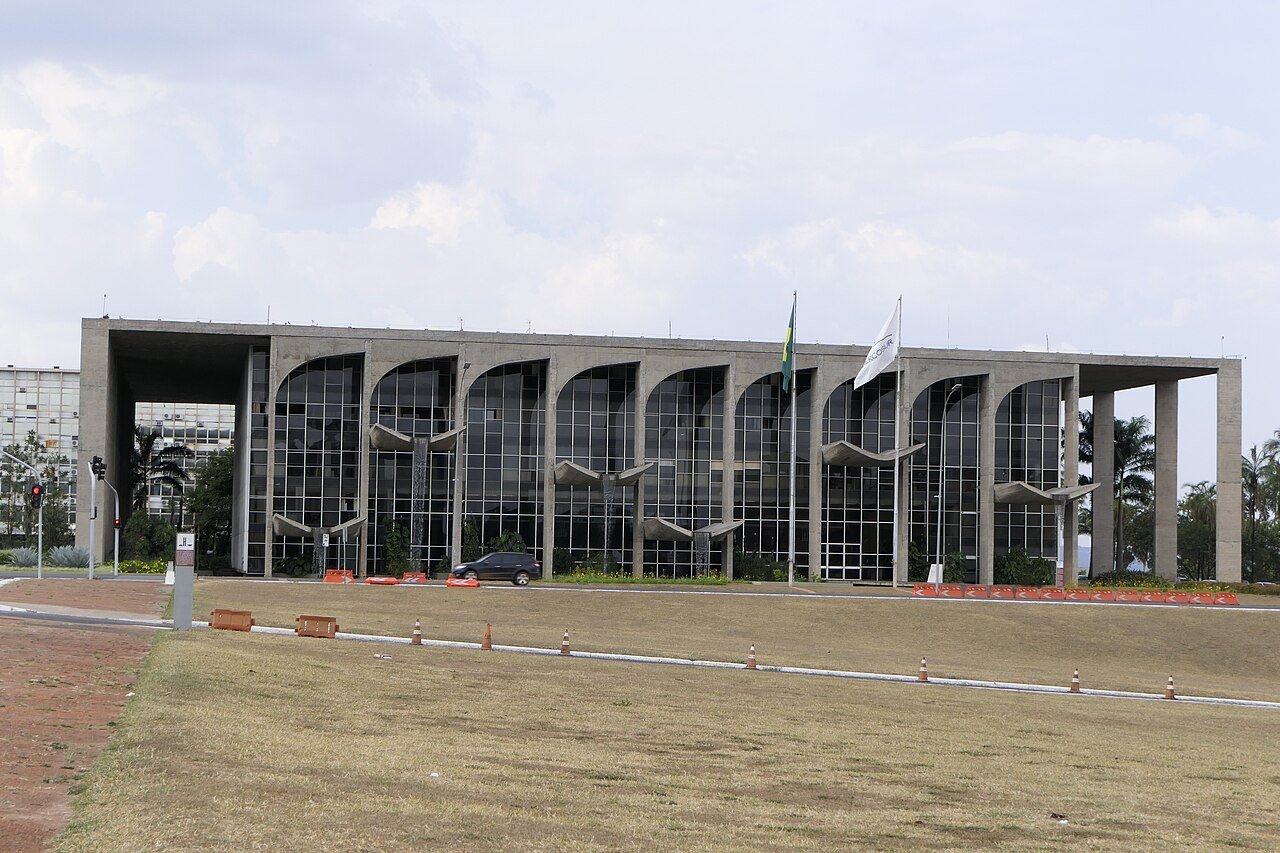
Brazil's Ministério da Justiça e Segurança Pública (Ministry of Justice and Public Security) and Ministério da Fazenda (Ministry of Finance) have asked the telecommunications regulator Anatel to take down 5,209 internet addresses used by betting operators working outside the law. The figure was released on Tuesday (29) and is the first consolidated tally from the task force set up to enforce Provisional Measure 1.394/2026, published on 25 September.
Of the 5,209 domains, 1,386 came from the justice ministry's national digital rights secretariat and 3,823 from the finance ministry's prizes and betting secretariat. Anatel, which carries out the blocking through internet service providers, has already removed 2,387 — just under half the list.
What is already offline
The blocking request is only one front. The two ministries' tally also records:
- 300 pages removed from Facebook and 90 profiles from Instagram;
- Telegram channels and groups with a combined 1,014,722 members;
- 186 apps notified for removal from the Apple and Google stores;
- eight platforms notified about advertising: Google, Meta, YouTube, X, Telegram, TikTok, Kwai and Discord.
The deadline for pulling the apps is 6 October, the same date the decree takes effect for fixed-odds betting sites and apps. The platforms notified about advertising have their own deadlines, staggered through the first week of October.
What the decree changed
Provisional Measure 1.394/2026 banned fixed-odds betting operations across Brazil and set 6 October as the day sites and apps go dark. From then on, any address still taking bets is by definition illegal — which is precisely what gives the legal basis for the package of blocks now requested.
The effect is already visible in payments. According to the Banco Central (Brazil's central bank), Pix transfers linked to betting have fallen about 10% since the measure was published — a figure cited by the trade outlet iGaming Brazil in its coverage of the announcement. It suggests part of the flow moved ahead of the deadline, but it does not say where the money went.
The scale of the problem
The count of 5,209 domains gives the measure of what the Brazilian state is trying to close down. Since March 2023, the Polícia Federal (Federal Police) has run 12 operations tied to the sector, with asset-freezing requests totalling around R$4.17 billion.
The known bottleneck is how fast domains are replaced: a blocked address is cheap to swap out, and operations of this kind tend to resurface under another name within days. That is why notifying the app stores and the advertising platforms weighs as much as the blocking itself — without ads and without an app, the new address is harder to find.
Justice Minister Wellington César Lima e Silva described the action as a task force across ministries, split into tracks that separate curbing the supply of betting from removing its advertising, according to iGaming Brazil.
With information from Agência Brasil and iGaming Brazil.