João Paulo Capobianco, head of Brazil's Ministério do Meio Ambiente e Mudança do Clima (Ministry of the Environment and Climate Change), used one of the high-level dialogues at COP31, in Antalya, Turkey, to argue that the country's effort against deforestation and wildfires loses its point if the big emitters do not cut greenhouse gases fast enough.
"No single country is able to face this problem alone," the minister said at the panel on technology and innovation for integrated fire management and wildfire resilience.
The argument
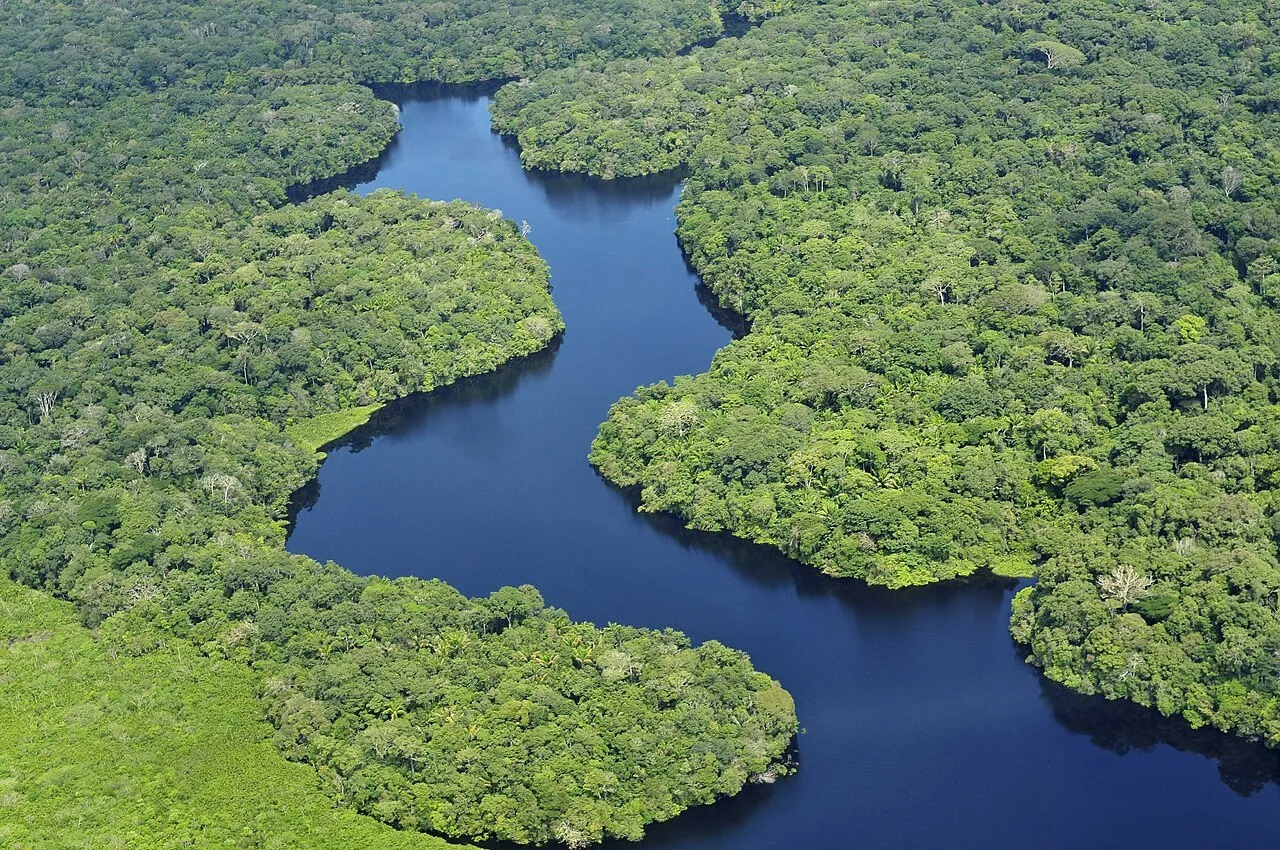
The case the Brazilian delegation made has three links. Global warming deepens drought; drought leaves vegetation more flammable; and burnt forest returns carbon to the atmosphere, feeding the warming again. Fighting deforestation and investing in fire management addresses the second and third links, but not the first.
Hence the warning about the 1.5°C threshold above pre-industrial levels. "Crossing the 1.5°C limit is too dangerous for all of us," Capobianco said. In his account, the risk of losing the Amazon is high, and part of the damage to the forest would not be reversed even if the planet's average temperature came down again later — which sets this kind of loss apart from a temporary overshoot.
What Brazil brings to the table
The Brazilian proposal for a global wildfire response was presented at COP30, held in Belém in 2025, and now has the backing of 68 countries and four international organizations. At home, the government points to the Política Nacional de Manejo Integrado do Fogo (National Policy for Integrated Fire Management), created in 2024, as the legal framework that organises prevention and firefighting.
The delegation also presented in Antalya its "Mapa do Caminho" (roadmap), a document gathering Brazil's proposals on national policies, financing, social participation and international cooperation. Capobianco said the country is determined to implement it in full, with the goal of ending deforestation by 2030 — a deadline the proposal does not bring forward.
The emphasis of the speech is itself information about the conference: by insisting that forests and emissions be handled together, Brazil pushes the debate back to the point where COP31 is stuck — who pays, who cuts, and by when.
With information from Agência Brasil and A Crítica.