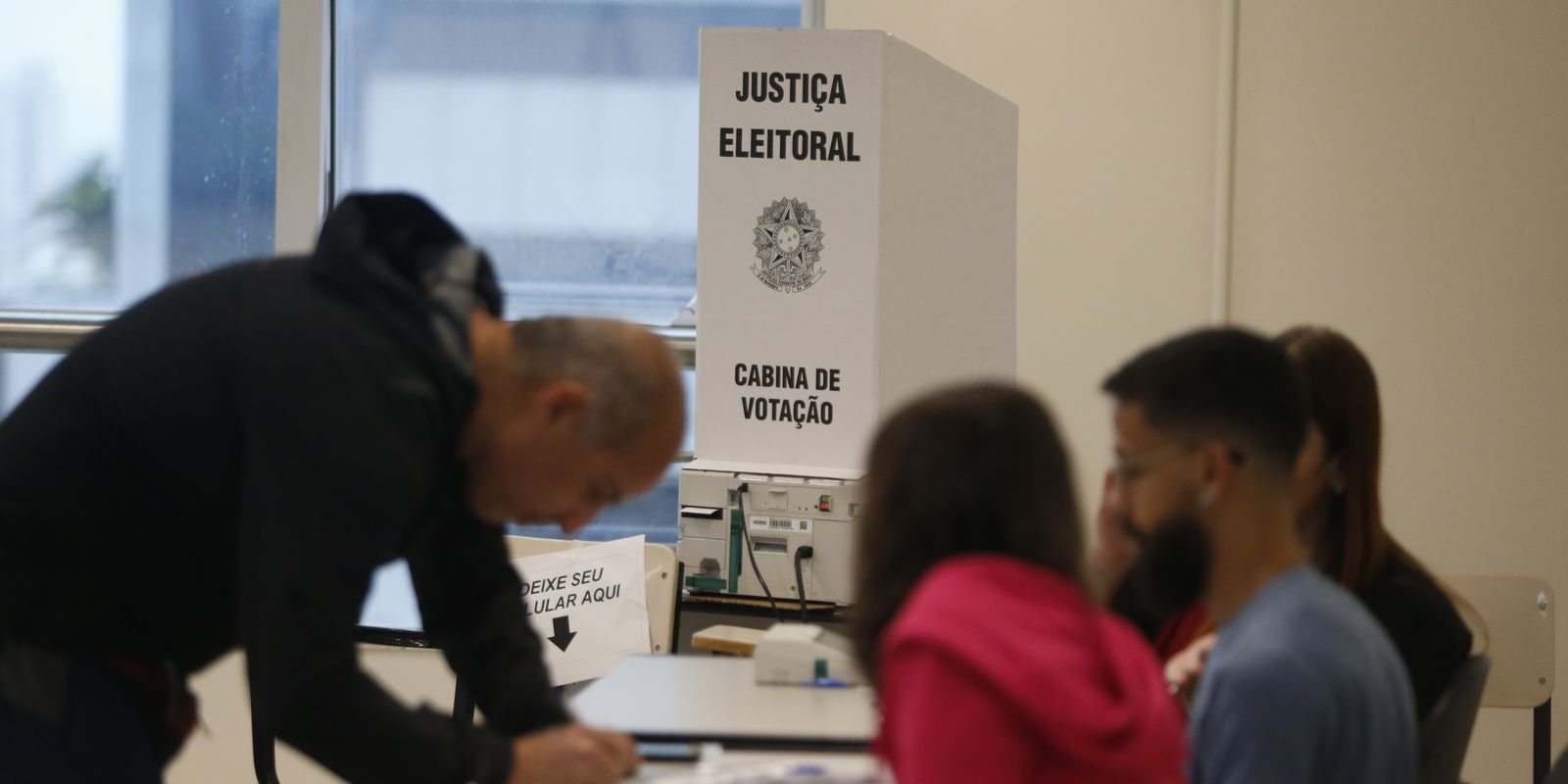
The number of voters over 60 grew 74% between 2010 and 2026, according to a survey by Nexus – Pesquisa e Inteligência de Dados based on the open data portal of the Tribunal Superior Eleitoral (TSE, Brazil's electoral court).
There were 36.2 million voters in this age group in March 2026, compared with 20.8 million in 2010.
The growth is disproportionate
Over the same period, the total electorate went from 135.8 million to 156.2 million — an increase of 15%.
In other words, the over-60 group grew almost five times faster than the electorate as a whole. It now accounts for 23.2% of Brazil's voters.
And more of them are turning out
Abstention in this age group has been falling:
- 60 and older: from 37.1% in 2014 to 34.5% in 2022
- 70 and older: from 63.6% in 2014 to 58.9% in 2022
Voting is compulsory in Brazil from 18 to 70 and optional after 70. The drop of almost five points in that bracket therefore represents people who did not have to vote and did so anyway.
Why this matters in 2026
"It could act as the swing factor," said Marcelo Tokarski, CEO of Nexus, about the group's weight in a polarized election.
The argument is arithmetic before it is political: a bloc that is nearly a quarter of the electorate, is growing faster than average and is turning out in ever greater numbers decides narrow margins even without voting as a bloc.
With information from Agência Brasil. Original report by Alana Gandra, published on April 15, 2026.