The 31st session of the Conference of the Parties to the United Nations Framework Convention on Climate Change opened on Monday, 9 November, at the Antalya Expo Center in Antalya, Türkiye. The conference runs until 20 November, and it opened with the deadlock that was supposed to have been settled beforehand: what goes on, and what stays off, the official negotiating agenda.
The opening ceremony began roughly an hour and a half behind schedule, with no public explanation for the delay. Negotiators were still discussing the agenda late on Sunday, according to accounts from delegations present.
Who pays
The dispute is about money. Developing countries pushed to have climate finance items formally included — among them the continuation of a platform created at COP30 to discuss how wealthy nations should fund poorer ones. Developed countries resisted.
"This has already been a difficult start for COP31," said Jasper Inventor, who heads Greenpeace's delegation to the conference.
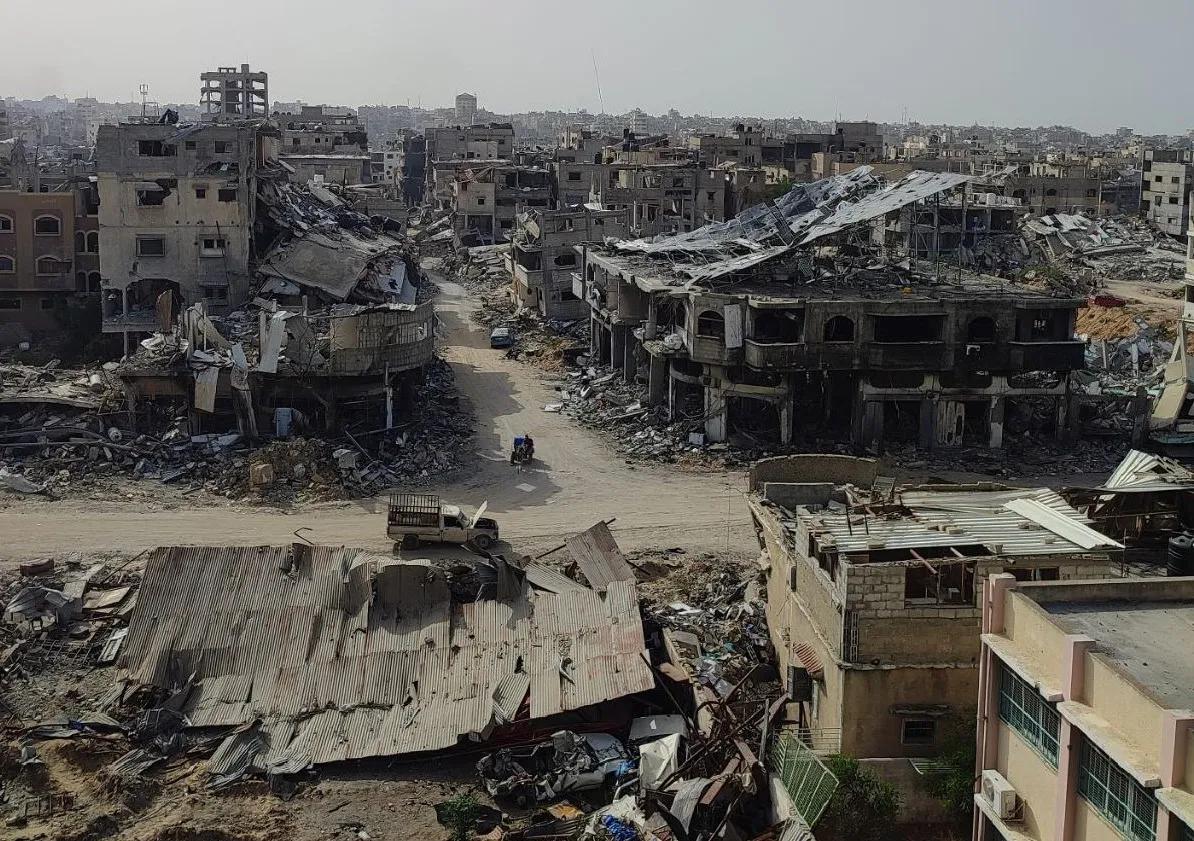
African countries arrived in Antalya asking for negotiations on tripling adaptation finance — money meant not to cut emissions but to live with the climate that has already changed: sea walls, irrigation, disaster warning systems. A source involved in the talks said the issue would be handled within other agenda items rather than as a point of its own, which in practice lowers its standing. A senior European Union official warned last week that there is "no political will" for new funding pledges.
Turkish presidency, Australian negotiations
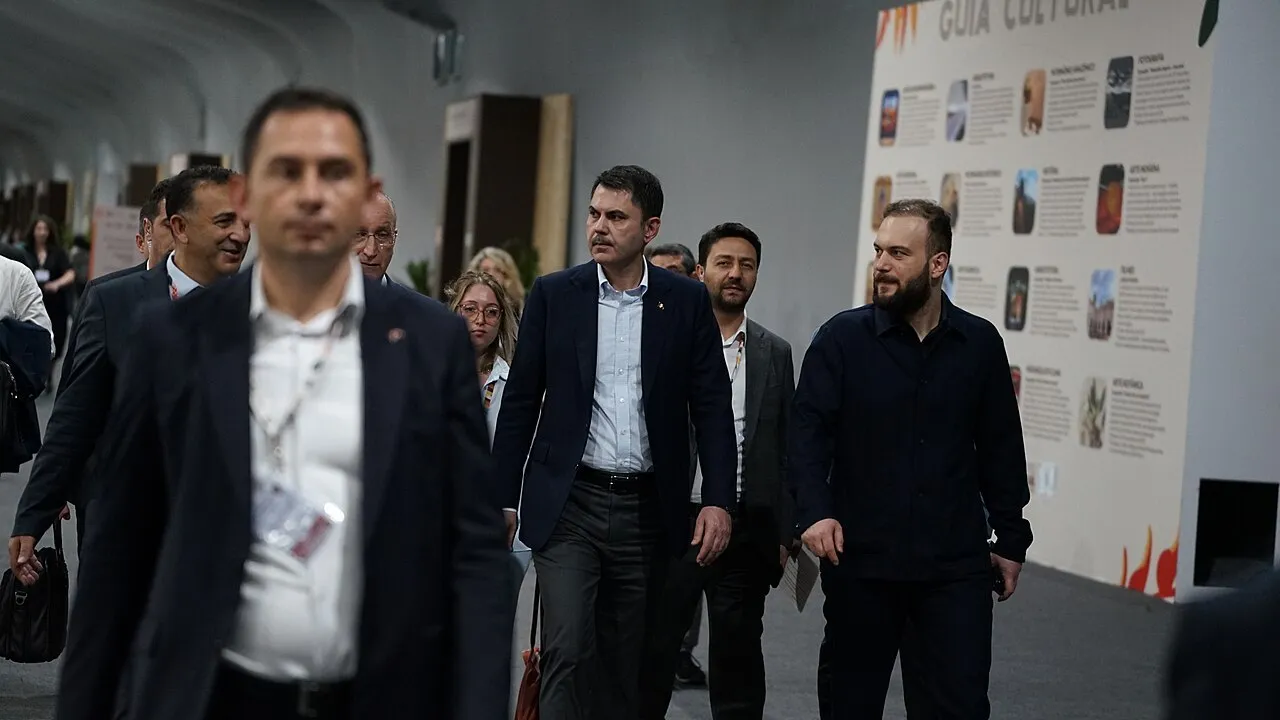
The arrangement that settled the fight over hosting left Türkiye with the conference presidency and Australia leading the negotiations. Türkiye's Minister of Environment, Urbanisation and Climate Change, Murat Kurum, presides over COP31 and says the country wants to deliver an "implementation COP," with ten items on its action agenda, including resilient cities, zero waste and the energy transition. Australia's Minister for Climate Change and Energy, Chris Bowen, attended the opening session.
Kurum also said the Paris Agreement's 1.5°C target looks difficult to reach. In September, the UN warned that the limit will likely be exceeded.
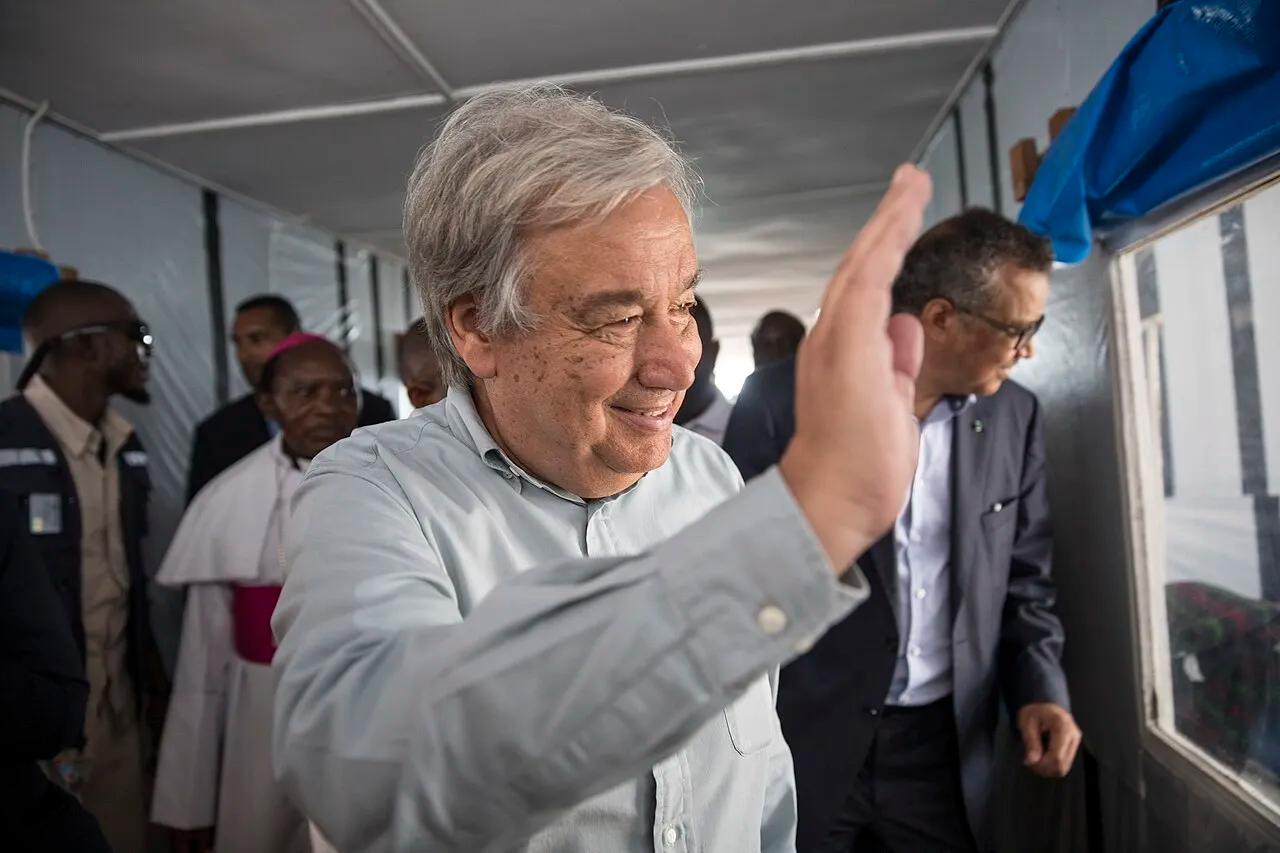
United Nations Secretary-General António Guterres said the world has "entered a new age of climate extremes" and urged governments to "get serious."
Electrification and fossil fuels
Türkiye brings an electrification initiative to the table: raising electricity's share of global energy demand from about 20% today to 35% by 2035. The European Union wants that electrification qualified as "clean" — a one-word difference that reopens the argument over what role fossil fuels play in the sum.
That is the point COP28 promised and no subsequent conference has delivered. The commitment to transition away from fossil fuels has not been put into practice, and COP30 produced only a Brazilian roadmap that countries join voluntarily.
Who is there and who is not
The US administration sent no officials to Antalya; a US congressional delegation is expected. Brazilian President Luiz Inácio Lula da Silva takes part in the leaders' summit on 11 and 12 November.
Türkiye has divided the Antalya Expo Center into a Blue Zone of 527,414 m², where the official negotiations run, and a Green Zone of 582,244 m² open to public events — about 1.1 million m² in all, with 27,957 security personnel deployed.
With information from Turkish Minute, Türkiye Today and the United Nations Framework Convention on Climate Change (UNFCCC).