The Ebola outbreak in the Democratic Republic of the Congo has passed 3,700 deaths, and the World Health Organization (WHO) sees, more than 130 days in, the first consistent signs of a retreat — in part of the territory.
The numbers
According to the European Centre for Disease Prevention and Control (ECDC), the tally on 23 September stood at 7,773 confirmed cases, 3,759 deaths and 1,935 recoveries, with 839 patients hospitalised in isolation. The outbreak spans seven provinces and 63 health zones, concentrated most heavily in Ituri (5,966 cases), followed by North Kivu (1,438) and Haut-Uélé (316).
The virus is Bundibugyo, one of the Ebola variants.
Over the last 21 days the picture split geographically:
- Ituri: cases down about 26%
- Haut-Uélé: down 15%
- North Kivu: up 73%
"Those patterns show the outbreak is still not under control and remain spread across a wide geographic area," said Dr Marie Roseline Belizaire of the WHO.
Who is dying
Lethality is unevenly distributed by age: above 60% among children under five, against about 40% among adults.
Another indicator worries the response: one in three new cases is identified only after death, already in the community — a sign that transmission is happening far from health facilities. Contact tracing, on the other hand, reaches 88% of cases.
The structure built, and what is missing
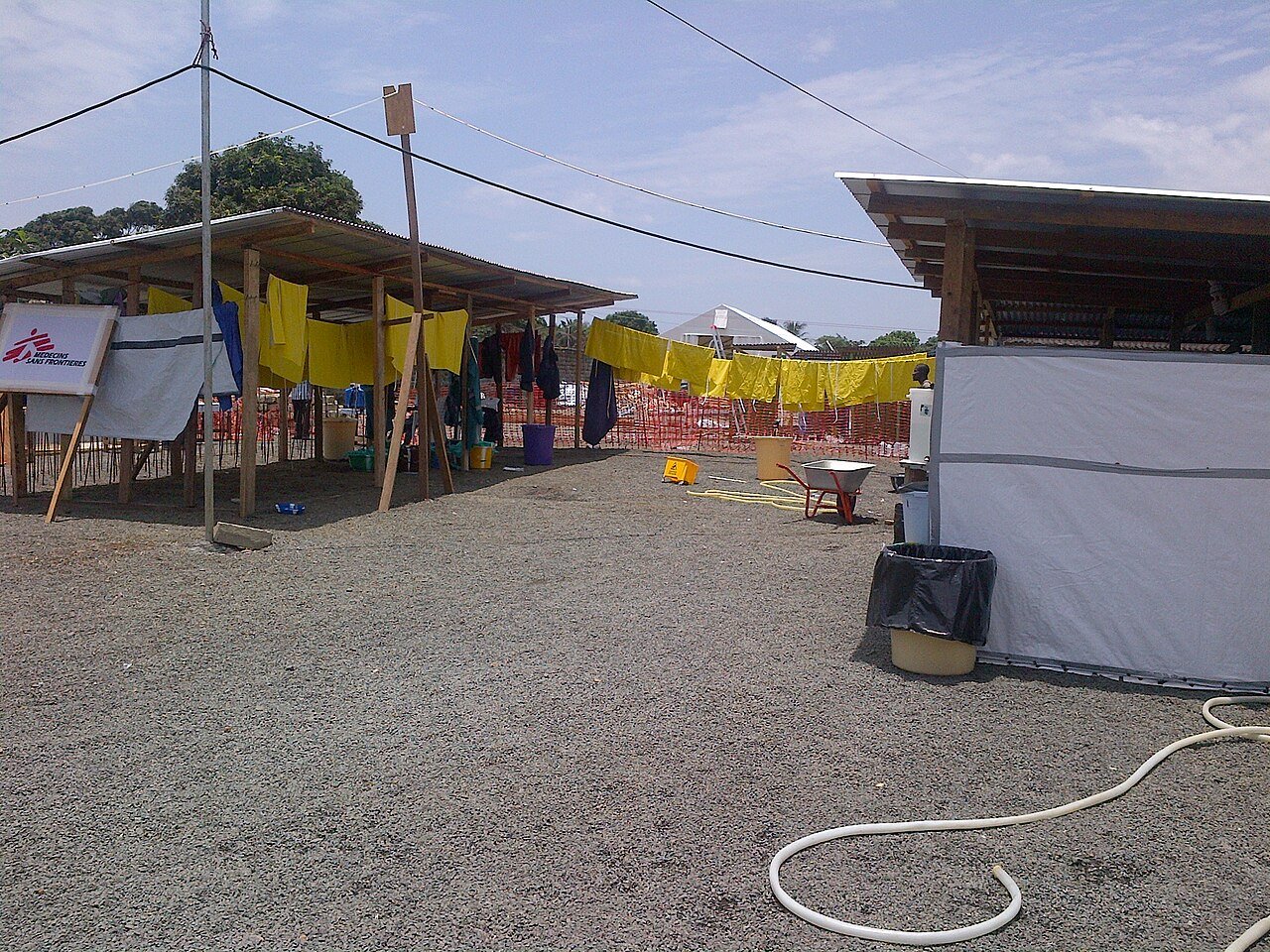
The response brings together 49 treatment centres with some 1,400 beds and 25 laboratories able to process up to 2,500 tests a day. The bottleneck, according to the WHO, is not equipment.
"The human resources gap is one of the biggest gaps," said Dr Catherine Smallwood of the organisation, referring to the shortage of staff to run the treatment centres.
The stated challenge now is to move the response from the urban centres where it was built to the remote villages where transmission is occurring — precisely the most expensive and slowest shift.
Outside Africa, the outbreak produced three imported cases, in Europe and the United States, all in people with links to the Democratic Republic of the Congo and all since recovered. The ECDC rates the risk of importation into the European Union as "very low". Uganda's outbreak, tied to the same period, was declared over in August 2026 after 42 days with no new confirmed cases.
With information from the World Health Organization, UN News and the European Centre for Disease Prevention and Control.