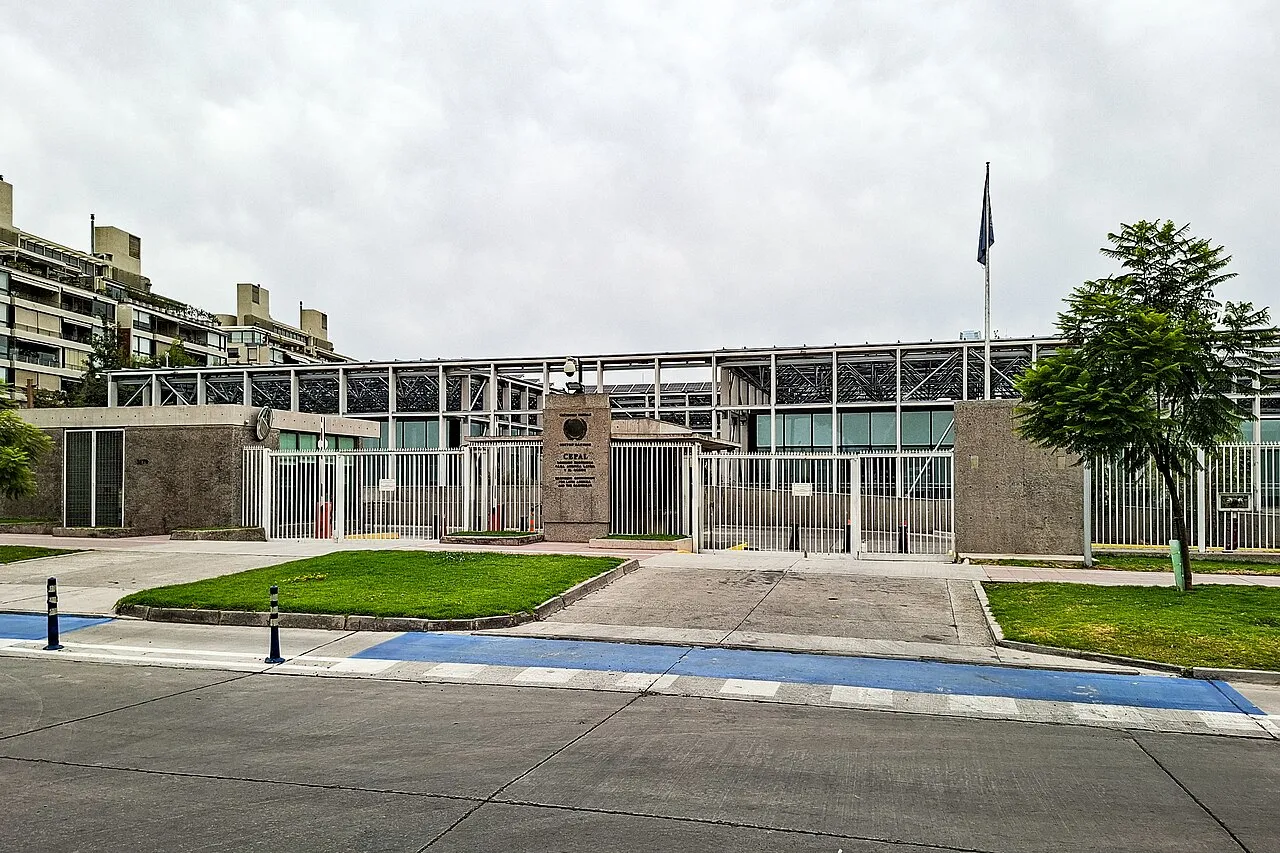
The Economic Commission for Latin America and the Caribbean (ECLAC) counted 3,386 femicides across the region in 2025, according to the fifth bulletin in the Violencia Feminicida en Cifras series, released by its Gender Equality Observatory on 24 November — a day before the International Day for the Elimination of Violence against Women.
The count draws on official records from 27 countries and territories: 3,346 cases in 16 Latin American countries and 40 in 11 Caribbean countries and territories. The regional rate came to 1.1 femicides per 100,000 women, down from 1.2 in each of the three preceding years. Added together, the figures for the past five years amount to 18,813 victims in the reporting countries.
Guatemala leads on rate, Brazil on absolute numbers
The ranking changes depending on whether one looks at case totals or at rates per head of population.
In absolute terms, the largest count is Brazil's, with 1,547 cases, followed by Mexico, with 721, and Argentina, with 200.
Measured per 100,000 women, the list reorders itself. Guatemala tops Latin America with a rate of 2.0 and 184 cases; it had been 2.1 in 2015 and 1.2 in 2020. Behind it come Costa Rica and Brazil, at 1.4 each — Costa Rica recorded 37 cases — and Bolivia and the Dominican Republic, at 1.3, with 76 cases in the Caribbean country. Panama registered a rate of 0.9 with 20 cases. The lowest rates in the count belong to Chile and Colombia, both 0.4.
In the Caribbean, where absolute numbers are small, the highest rate is St Vincent and the Grenadines', at 8.2. Haiti reported 15 cases, Guyana 10 and Jamaica 5.
Guatemala's figures carry one detail that sets its profile apart: only 2.2% of the femicides were committed by a partner or former partner, and 97.8% by other perpetrators — the inverse of countries such as Costa Rica, where partners or former partners accounted for 64.9% of cases.
Four countries — Belize, El Salvador, Honduras and Nicaragua — supplied no official 2025 figures for the bulletin, which means the regional total is a floor rather than a complete picture.
Attempts, indirect victims and prior complaints
The bulletin also counts the cases in which the woman survived: 10 countries in the region recorded 5,327 attempted femicides. Adding killings and attempts together, ECLAC calculates that at least 24 women suffered femicidal violence every day across the 27 reporting countries and territories.
Other findings:
- 634 indirect victims — children and dependants — in the 10 countries with available data.
- In countries with comparable data, 73 of every 100 victims were aged between 15 and 44. Thirty victims were pregnant, 13 were girls under 15 and 22 were women aged 60 or over.
- Up to 33.3% of victims had filed a prior complaint and 15% had protection measures in force at the time of the crime. In Guatemala, 28.8% had complained beforehand.
Those last two figures are the ones the report uses to discuss the state response: one in three victims had already passed through the complaints system before being killed.
Twenty countries have codified the crime
The legal framework moved faster than the numbers. Twenty countries and territories in the region have codified femicide, 17 of them as a stand-alone offence. The Dominican law, passed in 2025, took effect in August 2026.
"Preventing, addressing, punishing and eradicating all forms of gender-based violence and discrimination against women and girls requires stronger institutional capacity," wrote ECLAC's executive secretary, José Manuel Salazar-Xirinachs, in the document.
The regional figure sits within a wider global picture: according to estimates from the United Nations Office on Drugs and Crime and UN Women cited in the inter-agency factsheet for the UNiTE 2026 campaign, some 47,000 women and girls were killed worldwide by partners or family members during 2025 — an average of 129 victims a day.
With information from Infobae, UN Women and La Jornada.