Ecuadorian President Daniel Noboa has signed a new estado de excepción (state of emergency) covering eight provinces and three cantons, including the country's third curfew of 2026. The measure, set out in Executive Decree 498, lasts 60 days and is justified by "serious internal unrest" attributed to organised crime.
Where it applies
The state of emergency covers the provinces of El Oro, Esmeraldas, Guayas, Los Ríos, Manabí, Pichincha, Santa Elena and Santo Domingo de los Tsáchilas, as well as the cantons of Camilo Ponce Enríquez (Azuay), Las Naves (Bolívar) and La Maná (Cotopaxi).
The curfew is narrower: it applies only in Guayas, Manabí, Los Ríos and El Oro, from midnight to 5am, between 17 and 30 September.
What changes
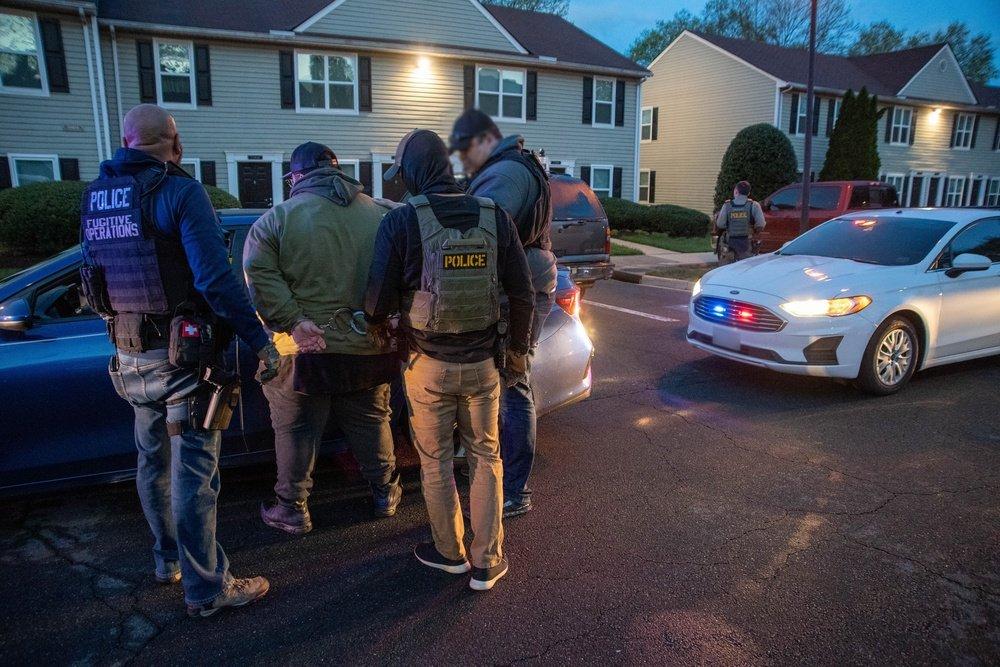
The decree suspends the inviolability of the home in the affected areas, allowing police and the armed forces to carry out immediate searches where there are signs of a crime. According to the official text cited by the Ecuadorian press, the decision drew on reports from the Centro Nacional de Inteligencia (National Intelligence Centre), the National Police and the Armed Forces.
The numbers behind it
The government recorded some 18,400 emergency calls from the public in the four curfew provinces. Between 16 August and 10 September there were 107 intentional homicides there: 52 in Guayas, 22 in Manabí, 20 in Los Ríos and 12 in El Oro. Officials say 75% of violent deaths happened in the early hours, the very window the curfew covers.
The backdrop is a country that ended 2025 with a record of about 9,300 homicides, a rate of around 51 per 100,000 inhabitants.
A recurring tool
This is the third curfew of the year. The first was imposed in mid-March in Guayas, El Oro, Los Ríos and Santo Domingo de los Tsáchilas; the second, from 3 to 18 May, ended with thousands of arrests, although the figures reported by different outlets do not match. Since January 2024, when Noboa declared an "internal armed conflict", curfew hours have started at 10pm, 11pm or midnight, and their scope has shifted from nationwide to specific provinces.
The repeated use of the measure shows the government is still relying on a military presence on the streets of the coast, where violence linked to organised crime is concentrated.
With information from Teleamazonas, EFE and La República.