The European Union on Monday (12) approved the largest set of individual sanctions listings it has ever adopted at once against Russia. There are 1,569 new targets — 826 companies and 743 natural persons, mostly the executives running those same companies — tied to what the Council of the European Union describes as the core of Russia's military industry: the component suppliers, rather than the large weapons manufacturers.
The decision came out of a meeting of the foreign ministers of the bloc's 27 member states, in Luxembourg, and was published the same day in the Official Journal of the European Union, through Council Decision (CFSP) 2026/2279 and Implementing Regulation (EU) 2026/2281.
About 4,600 targets under the Ukraine regime
With the new listings, the European regime of restrictive measures against actions undermining Ukraine's territorial integrity, sovereignty and independence now covers roughly 4,600 people and entities.
The listed firms have a combined annual turnover of at least €20 billion and employ more than 250,000 people, according to the Council. That figure explains the change of target: instead of going after state-owned defence groups already sanctioned since 2022, the bloc moved one step down the chain and hit the layer of suppliers that keeps the production lines running.
Electronics, radars, explosives
The components named in the European act fall into five groups:
- electronics, including semiconductors, microcircuits and computers;
- communication equipment, including radars, antennas and transceivers;
- aviation, satellite and missile systems;
- explosives and ammunition;
- optics and navigation systems.
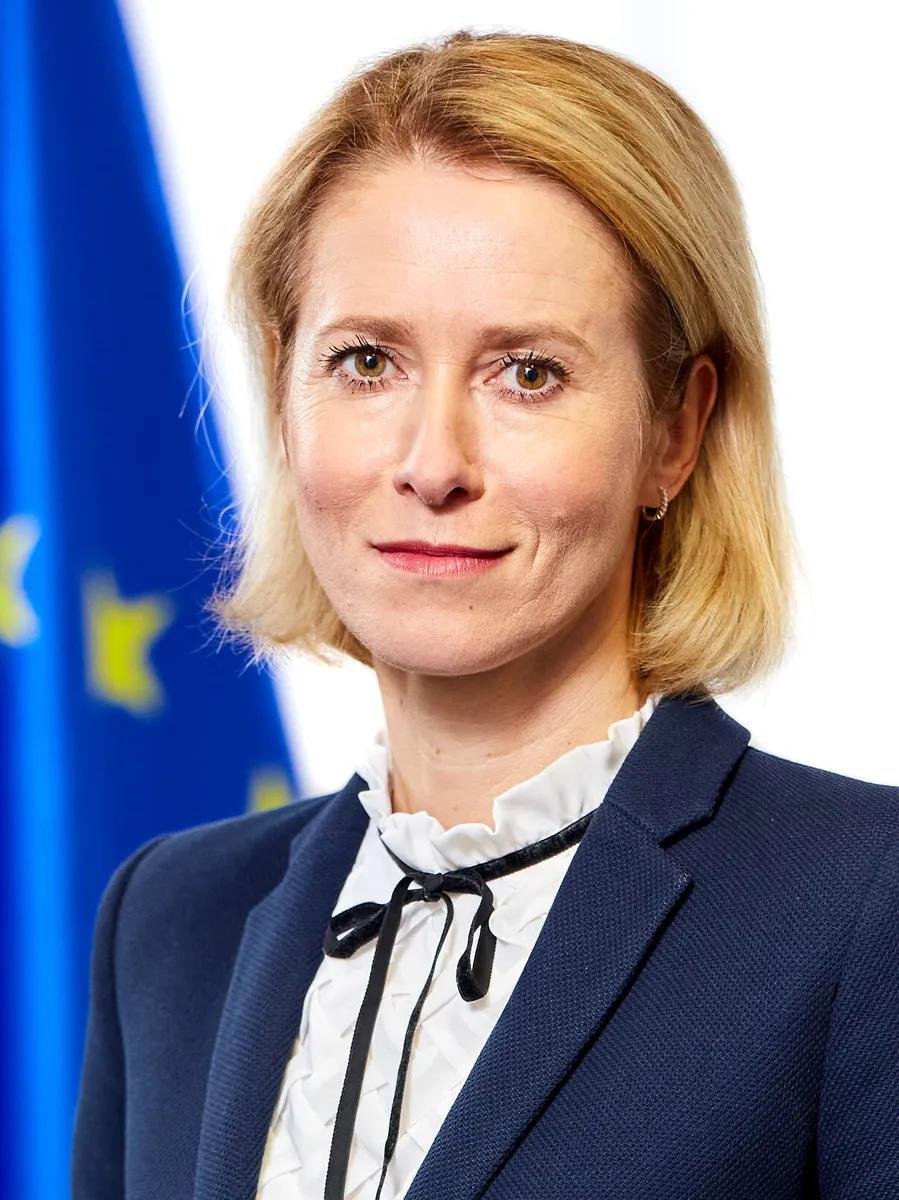
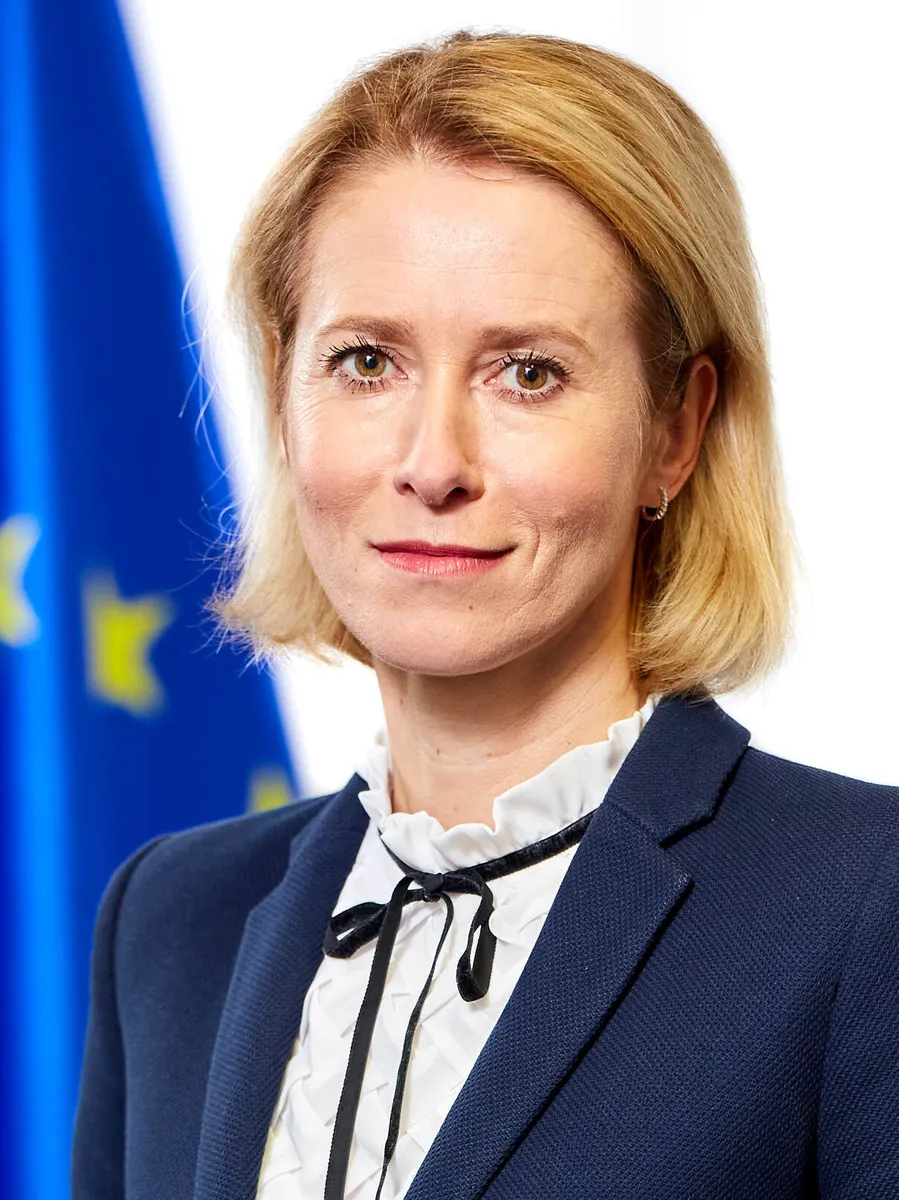
According to Kaja Kallas, the European Union's High Representative for Foreign Affairs and Security Policy, more than half of the listings sit in the production chain of the ballistic missiles Russia uses against Ukrainian civilians.
What the measures do
The listed people and entities have their assets frozen in European Union territory, and providing them with funds or economic resources, directly or indirectly, is prohibited. Natural persons are also barred from entering the bloc.
A listing does not halt production inside Russia: it cuts off access to the European financial system, to contracts with companies in the bloc and to the executives' freedom of movement — and it serves as a reference point for banks and suppliers in third countries weighing their own exposure.
77 names over elections in occupied territories
On the same day, the bloc approved a second set of listings covering 77 people tied to the Russian State Duma elections held in occupied Ukrainian territories, according to Eunews and Ukrainska Pravda. That package is separate from the military-industry list and concerns political recognition of the occupation, not the supply of weapons.
"Now is not the time to ease the pressure"
Kallas said the bloc "adopted the largest round of sanctions listings since 2022", and that the moment calls for the opposite of a retreat: "Now is not the time to ease the pressure on Moscow, but rather to increase it."
The political basis for the decision is the European Council's conclusions of 18 and 19 June 2026, which condemned Russia's escalation — large-scale missile and drone attacks on civilians — and called for more pressure, including further sanctions.
With information from the Council of the European Union, the European External Action Service, Eunews and Ukrainska Pravda.