The European Commission on Monday put forward its 22nd package of sanctions against Russia since the start of the full-scale invasion of Ukraine in February 2022. The text would cut a further 60 Russian banks off the Swift financial messaging system, ban European companies from repairing energy facilities in Russia and, for the first time, close the bloc's sporting competitions to teams and athletes competing under the Russian flag.
None of it is in force. This is a proposal from the EU executive, and it must be endorsed by all 27 member states before taking effect, according to Al Jazeera. Brussels wants a deal in December, before the holiday break, Euronews reported.
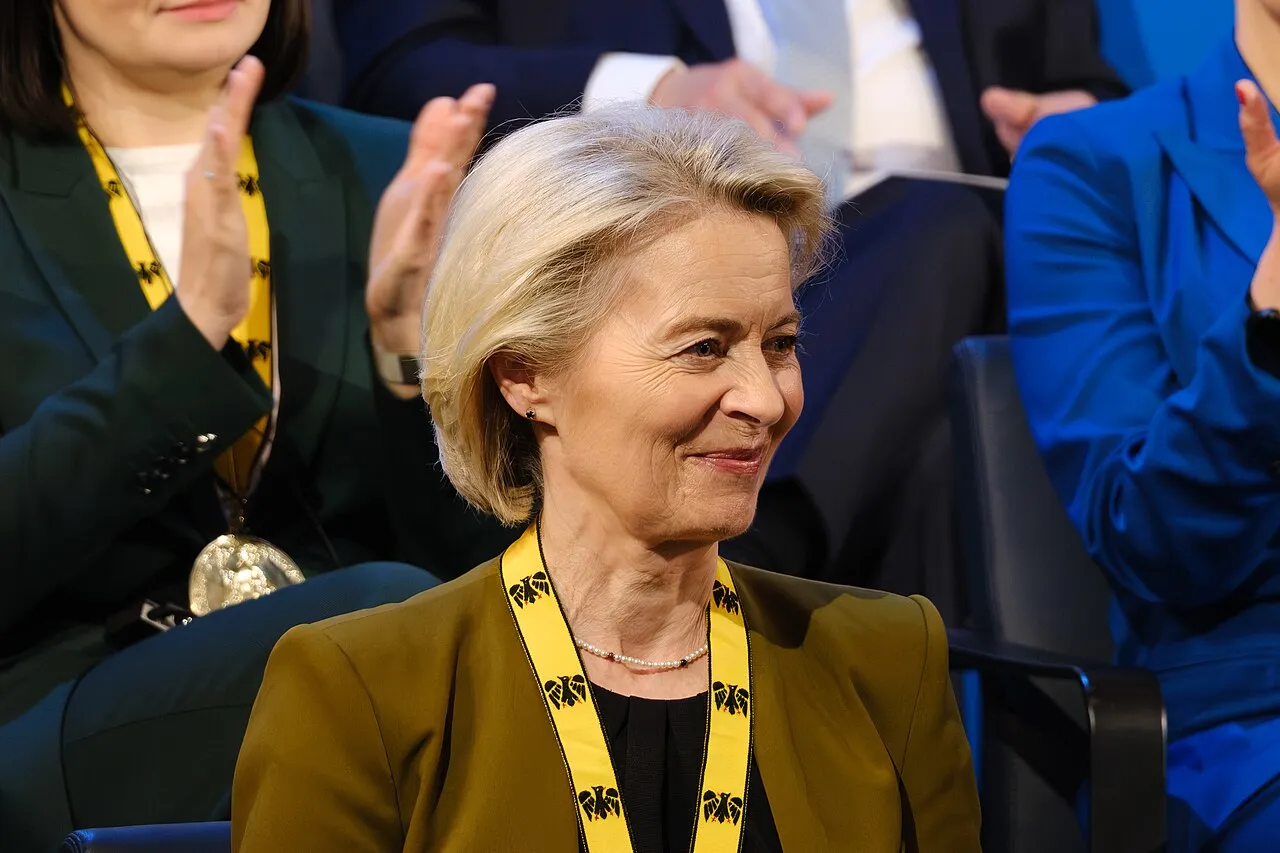
"We will continue to propose new sanctions until Russia shows genuine intent for lasting peace in Ukraine," European Commission President Ursula von der Leyen said in a video statement.
Banks, the shadow fleet and crypto
The financial core of the package is the 60 Russian banks that would be disconnected from Swift, on top of those already cut off in earlier rounds. The proposal also targets more than 70 vessels of the so-called shadow fleet, the ships used to move Russian oil beyond the reach of Western rules — the bloc has already denied port and service access to more than 670 vessels, according to Euronews.
Von der Leyen also announced a task force dedicated to crypto, aimed at curbing the countries and platforms that help Moscow bypass the restrictions, Al Jazeera reported.
For a sense of the cumulative scale: the previous package, from about a month ago, listed roughly 1,600 Russian officials and companies, and the bloc has sanctioned more than 4,200 people and entities since the war began.
Refineries and the oil price cap
One new measure goes after the upkeep of Russia's energy infrastructure: European companies would be barred from carrying out repairs at energy facilities in the country, particularly oil refineries, according to Euronews. The price cap on Russian oil currently stands at $44 a barrel.
Alumina, the raw material for aluminium, was left out of the proposal — an omission that spares, among others, Ireland's Aughinish Alumina refinery.
Sport and culture join the list
The Commission wants to exclude Russian teams and athletes competing under the country's flag, as well as the display of official Russian symbols, from all sports events held in the bloc. The proposal goes beyond competition itself: it would block Russian financial donations to Europe-based sports federations and cultural associations, and bar Russian nationals from holding posts on those federations' governing bodies.
"Sports events cannot be a forum for propaganda activities," von der Leyen said.
The context matters for understanding the measure's reach: the International Olympic Committee lifted its suspension of Russian athletes in July, with an eye on the 2028 Los Angeles Games. If approved, the European rule would apply to competitions held inside the bloc.
An entry ban for ex-combatants
The package would bar Russian soldiers who fought in Ukraine from entering the European Union. "Russian ex-combatants pose a security risk to Europe. They cannot be allowed to wander freely across our countries," von der Leyen said.
It is not the first attempt: a similar proposal stalled in July after France and Italy raised objections, according to Euronews.
What happens next
The decision rests with the 27, and the calendar is tight. Ukrainian President Volodymyr Zelenskyy is expected at a special EU summit in Brussels this week and has urged allies to tighten the net around the components used in Russia's jet-powered drones. "Every country and every leader who helps pressure the aggressor also helps protect lives," he said.
This is also the first proposal since the Commission set up a sanctions office within its Secretariat-General. Swedish diplomat Lars Danielsson has been appointed the bloc's sanctions envoy, replacing David O'Sullivan.
With information from Euronews and Al Jazeera (with AP).