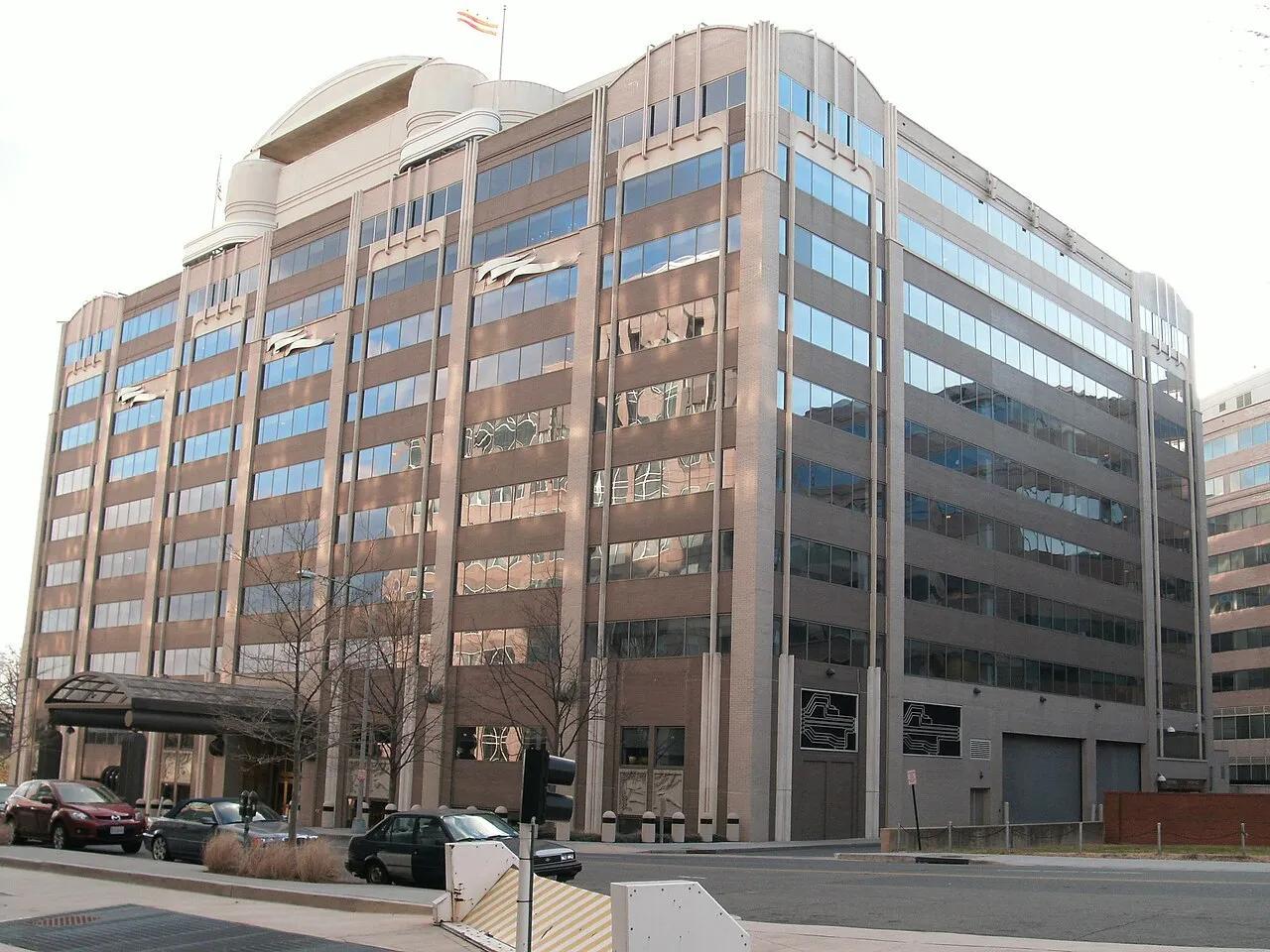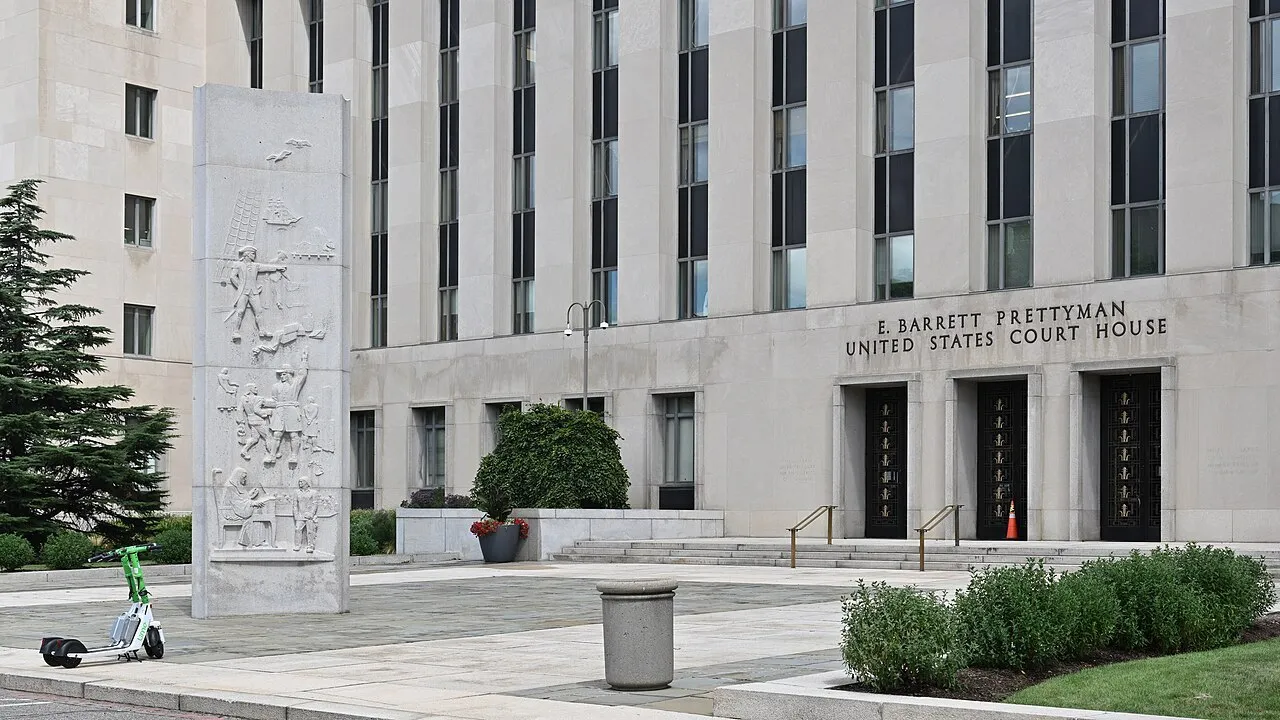
A federal judge in Washington blocked President Donald Trump's second attempt to narrow birthright citizenship by executive order on Wednesday, November 25, 2026, ruling that a president cannot write new exceptions into the Constitution's guarantee of citizenship by birth.
Judge Christopher R. Cooper, of the U.S. District Court for the District of Columbia, granted a preliminary injunction in a class action brought on behalf of children who would be denied citizenship under the order Trump signed in August. Cooper certified the class and barred the State Department, the Department of Homeland Security and the Social Security Administration from enforcing the policy against any child it covers, according to Reuters.
"The merits in this case are clear-cut," Cooper wrote. The president, he said, "cannot carve out new exceptions to birthright citizenship for children born within the United States and subject to its laws."
A second order after a Supreme Court defeat
The August order was the administration's second try. In June 2026 the Supreme Court ruled that the first order, signed in 2025, violated the Citizenship Clause of the 14th Amendment. Cooper wrote that the decision embraced United States v. Wong Kim Ark, the 1898 case that established that a child born on U.S. soil to non-citizen parents is a citizen.
The new order did not repeat the first one's blanket approach. It aimed instead at narrower groups: children born to parents who travel to the United States to give birth, children of people employed by foreign governments or international organizations who do not hold diplomatic immunity, and children of a parent the government classifies as an "alien enemy."
That framing was meant to fit the exceptions the Supreme Court itself left standing. In its June decision, according to The Independent, the court reaffirmed three narrow ones: children of foreign officials with diplomatic immunity, children of members of an enemy force in hostile occupation, and children born aboard a foreign public ship.
The second block in three months
Cooper's injunction is not the first. A federal judge in Maryland blocked the same order in September. The administration would now have to overturn both rulings for the policy to take effect, Reuters reported.
In his opinion, Cooper reached back to Perez v. Brownell, decided in 1958, for the stakes: "Citizenship is man's basic right for it is nothing less than the right to have rights." Children born in the United States and subject to its jurisdiction, he wrote, are citizens from birth, a principle he called deeply rooted in American legal tradition.
Cody Wofsy, the American Civil Liberties Union lawyer who argued for the plaintiffs, said Trump "needs to accept that birthright citizenship is the law of the land."
What the White House said
A White House spokeswoman dismissed the ruling as "just another ruling from an activist judge appointed by" former President Barack Obama, and said the August order was "consistent with the holdings and analysis set forth by the Supreme Court," according to Reuters.
The injunction is preliminary, not a final judgment, and it reaches only the certified class rather than the country as a whole — a distinction that has shaped immigration litigation since the Supreme Court limited universal injunctions. In practice, however, a class drawn as broadly as the children who would lose citizenship under the order leaves the administration little room to apply it while the case proceeds.
Reporting from Reuters and The Independent.