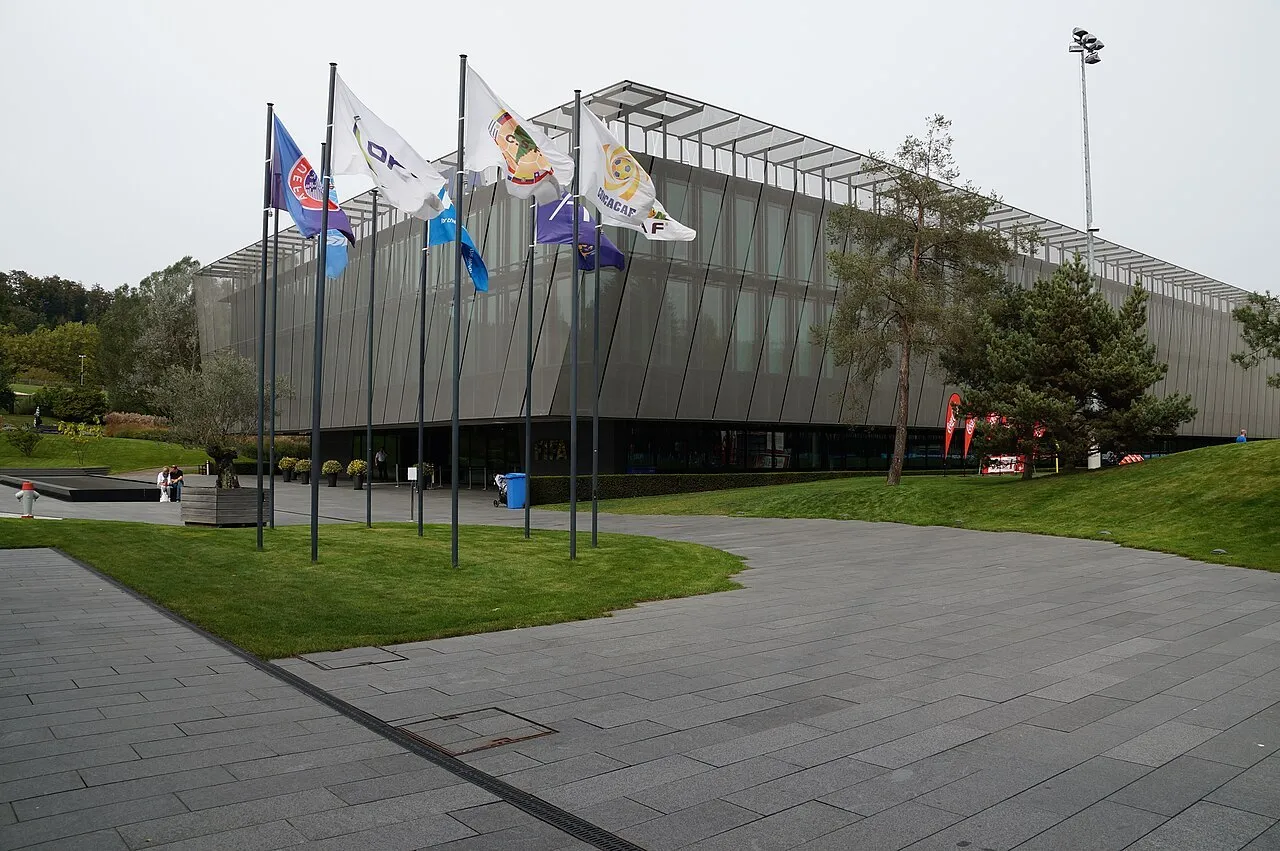
The Fédération Internationale de Football Association (FIFA) confirmed on Thursday that it was the victim of a cyberattack and that the intruders gained access to "a limited set of personal and business information". The body, based in Zurich, Switzerland, did not say when the breach took place or when it was detected.
In a statement sent to the Associated Press, FIFA said it is "working closely with the relevant authorities, including law enforcement". It added that it condemns "in the strongest possible terms the unlawful acquisition and publication of information, particularly personal data", and that such actions "constitute a serious and unacceptable violation of privacy and can have significant consequences for the individuals concerned".
What FIFA did not say
The statement is thin on what matters most to anyone who may have been caught up in the breach. FIFA did not say:
- when the intrusion happened;
- how many people had data accessed;
- whether they are staff, players, referees or fans;
- whether those affected will be notified;
- which data-protection authority was informed, or in which country.
Nor has the body confirmed how much data was taken. That figure, so far, exists only as the criminal group's claim.
Who is claiming the attack
Responsibility was claimed by the Handsome Boy Hacking Club, described by the specialist outlet Help Net Security as a relatively new cybercrime group — it listed its first victim on 19 November, a week before FIFA's confirmation.
The group says it exported the data from FIFA's "Microsoft environment", and describes the haul as "a full export from their internal governance systems, as well as some other assorted documents and screenshots from various services". Among the data types it claims to hold are identity documents, immigration records, executive information, financial data and legal documents.
A post attributed to the group mentioned more than 12 gigabytes of internal documents. None of this has been confirmed by an independent source, and no security researcher has publicly assessed the credibility of the claim.
There is no record of a ransom demand. In a message quoted by Help Net Security, the group says: "We would like to clarify that we are purely financially motivated." It also promises more leaks.
The context inside FIFA
The episode lands at a moment when the body is already under scrutiny over a separate matter: the since-abandoned plan to sell World Cup stakes to private investors. President Gianni Infantino is seeking to extend his term, in an election set for 18 March.
None of the sources consulted link the attack to World Cup ticketing systems. In the same week, Spain's LaLiga confirmed a breach of its own, with no declared connection to FIFA's.
One observation is worth making about the asymmetry between the two accounts: FIFA speaks of a "limited set", while the intruders speak of a full export of governance systems. The two descriptions are not compatible, and until the body says how many records left its network, there is no way to know which of them is closer to what happened.
With information from the Associated Press, via The Washington Times, and from Help Net Security.