The government plan of Senator Flávio Bolsonaro, a candidate for the presidency, runs to 76 pages across nine sections and is called "Para o Brasil Vencer o Atraso" ("For Brazil to Overcome Backwardness"). It was filed for the 2027–2030 term. Agência Brasil summarised it on Friday, as part of a series covering every candidate's programme.
Below is what the document says.
Security
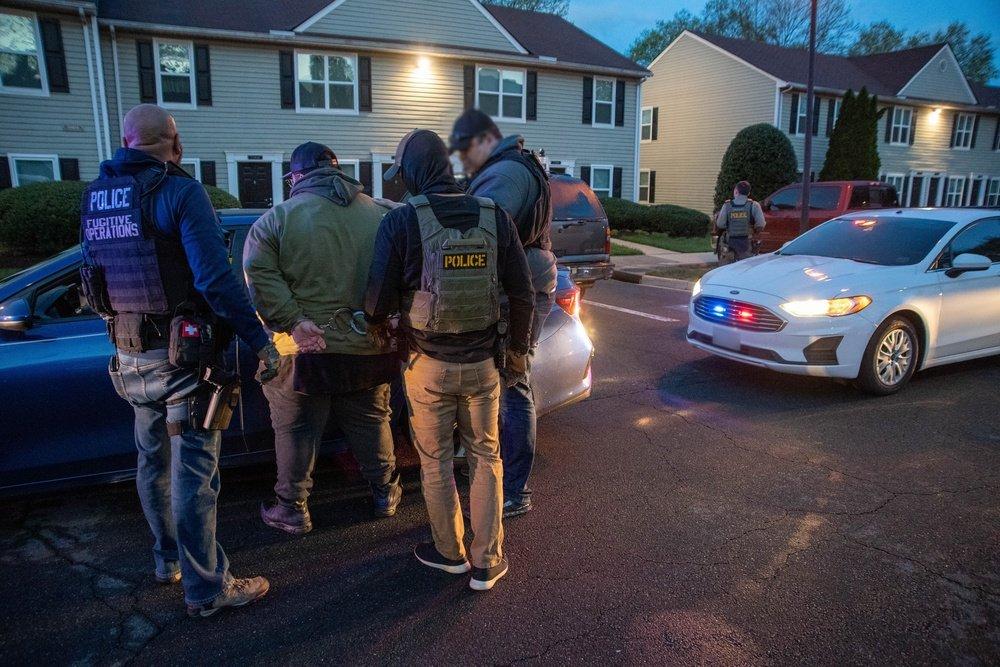
The opening section proposes declaring the PCC, the Comando Vermelho, militias and all other criminal factions "narcoterrorist organisations", with the stated aim of jailing their leaders and choking off their illegal businesses.
It also proposes:
- a National Border System, described as "an elite force of the Army, the Navy and the Air Force, equipped with weapons of war", covering the 16,000 km of border;
- five new maximum-security prisons "on the model adopted by El Salvador", forming with the five existing federal units a complex named TREVA, where inmates would be held "without a mobile phone, without conjugal visits and with monitored visits";
- half a million new prison places in four years, together with the states;
- Navy and Air Force troops occupying ports and airports.
On the age of criminal responsibility, the document says it supports lowering it from 18 to 16, and punishing those over 14 who commit serious crimes. (In summarising the plan, Agência Brasil reported a reduction to 14; the filed text says 16.)
The state and the economy
On public administration, the plan proposes "cutting at least 10 ministries, reducing political appointments and administrative spending, and tackling the perks and super-salaries that erode the budget".
According to Agência Brasil, the spending cut is presented as a way of forcing interest rates down. The programme also proposes cutting taxes on electricity and fuel, revising the tax reform, building logistics corridors, expanding crop storage and producing fertiliser domestically.
The judiciary and electoral rules
The document proposes turning the Supreme Federal Court into a strictly constitutional court, ending its original criminal jurisdiction — members of Congress would be tried by the Superior Court of Justice or the federal regional courts — and limiting single-judge rulings in favour of panel decisions.
It also proposes ending re-election for the presidency, citing a constitutional amendment already filed in the Senate by the candidate himself.
Health, education and the environment
In health, the plan provides for digital medical records and the sharing of that data with private hospitals, plus telemedicine where doctors are scarce.
In education, it proposes phonics-based literacy teaching, a voucher for private nursery fees, more civic-military schools and moving higher education from the education ministry to the science and technology ministry.
On the environment, according to Agência Brasil, the text does not recognise a climate crisis and concentrates on loosening licensing — including automatic licensing when deadlines lapse — expanding oil and gas, allowing fracking and speeding up mining with foreign capital.
In housing, it revives the Casa Verde e Amarela programme, with a target of 2.5 million homes.
With information from the filed government plan and Agência Brasil.