The rains that have battered Thailand since mid-September have left at least 23 people dead, four of them in Bangkok, according to the country's Department of Disaster Prevention and Mitigation. The count starts on 16 September and includes victims in Samut Prakan, Sa Kaeo, Chanthaburi, Ayutthaya and Saraburi.
In all, 42 of Thailand's 77 provinces have been hit since the episode began, according to AFP, which puts the damage in roughly two dozen of them at US$367 million. Disaster department bulletins cited by the Malaysian paper Malay Mail counted 29 provinces still under water on Tuesday.
Almost a month of rain in three days
Bangkok took about 320 mm of rain in three days — close to what the city normally accumulates across the whole of September. In the capital, roughly 700,000 people were affected, nearly 7,000 were in more than 230 shelters, and schools stayed shut for a second day, with pumping stations running at full capacity.
Bangkok governor Chadchart Sittipunt said recovery was already under way in areas where the water had receded, but estimated that full drainage could take up to a week.
The airport that became the picture of the problem
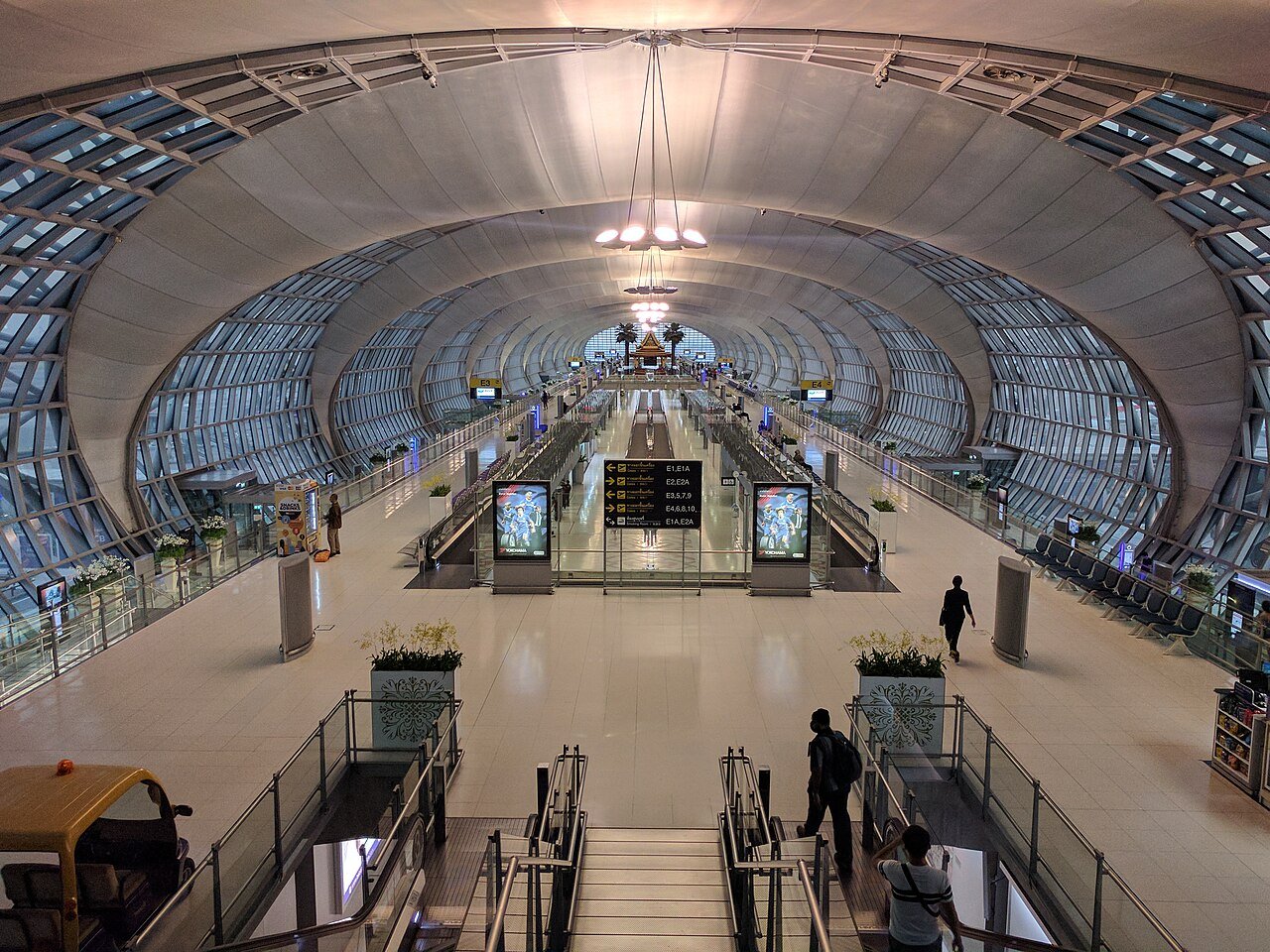
The most visible effect showed up at Suvarnabhumi, the country's largest airport. Thai Airways cut about 30% of its departures from Bangkok because half its staff could not get to work, and the carrier had some 5,600 bags stuck in the terminal.
"Almost 100% of flights over the past two days were delayed, with fewer than 3% on schedule," said the company's chief executive, Chai Eamsiri. Tourism minister Surasak Phancharoenworakul said the situation "damages the country's image" — a message aimed at a sector that accounts for a sizeable share of the Thai economy.
Short money and long money
The government of prime minister Anutin Charnvirakul approved more than 4 billion baht (about US$119 million) in immediate assistance and announced a 160-billion-baht drainage plan (about US$4.8 billion) to be carried out over eight years.
The gap between the two figures says what is at stake: the emergency aid amounts to 2.5% of the investment the government itself considers necessary to keep the capital from repeating the scene. Bangkok sits on average barely above sea level and depends on pumping to clear heavy rain — a condition that makes each episode a test of infrastructure, not only of weather.
With information from AFP (via Arab News), Malay Mail and TimesLIVE.