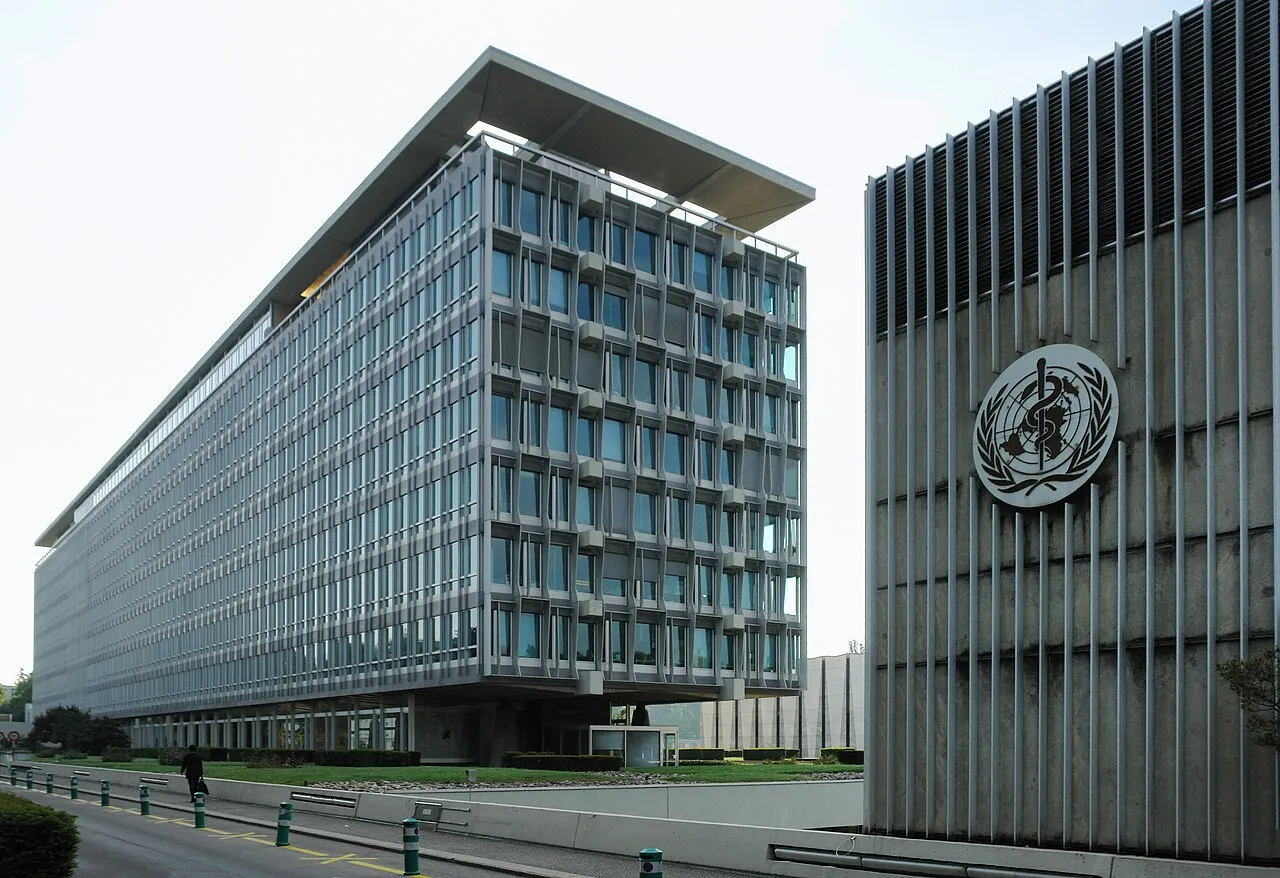
The World Health Organization (WHO) released on Wednesday a report calculating how much climate-linked mortality could be avoided with tools that already exist. The figure comes to 1.6 million deaths a year — or one in every 40 deaths worldwide — achieved by scaling up just six measures.
The document, titled "Global benefits and costs of prioritized actions on climate change and health", was published on the eve of COP31, the UN climate conference set for November. The WHO runs a health pavilion at the event, with programming between 9 and 20 November.
The six measures
- Heat-health warning systems;
- Climate-resilient drinking-water services;
- Basic sanitation services;
- Hygiene and handwashing facilities;
- Cleaner household fuels and technologies for cooking and heating;
- Efficient fossil fuel pricing policies.
The sixth measure is by far the one with the greatest effect on its own: it alone accounts for 1.2 million of the 1.6 million preventable deaths — essentially the reduction in air pollution from burning fossil fuels once their price reflects the damage they cause.
The money figures
According to the report, the six actions together would produce:
- US$3.9 trillion a year in economic welfare benefits;
- US$5.4 trillion a year in fiscal benefits;
- the avoidance of 16.7 billion tonnes of CO2, equivalent to about 31% of annual global greenhouse gas emissions, excluding the land-use component.
Fossil fuel pricing accounts for US$3 trillion of the welfare gains and for the whole of the US$5.4 trillion in fiscal benefits — consistent with the mechanism: it raises revenue, while the other five are public spending.
For those other five, the WHO calculates an average return of US$24 for every dollar invested. The extreme case is heat-health warning systems, with an estimated return of US$835 per dollar — figures of that order appear when the investment is low (alerts, protocols, communication) and the damage avoided is large.
The scale of exposure
The report sets these calculations against a picture of growing exposure. Some 3.6 billion people live in areas that make them highly susceptible to climate change and its health effects. Without further action, undernutrition, malaria, diarrhoea and heat stress are estimated to cause 250,000 premature deaths a year between 2030 and 2050. And by 2050, a further 500 million people could be exposed to vectors of climate-sensitive diseases.
"The climate crisis is a health crisis, but much of the harm it causes can be prevented with tools we already have," said WHO Director-General Tedros Adhanom Ghebreyesus. According to him, scaling up proven, affordable actions "could save millions of lives", and protecting health "must be at the centre of climate action".
With information from the World Health Organization and Euronews.