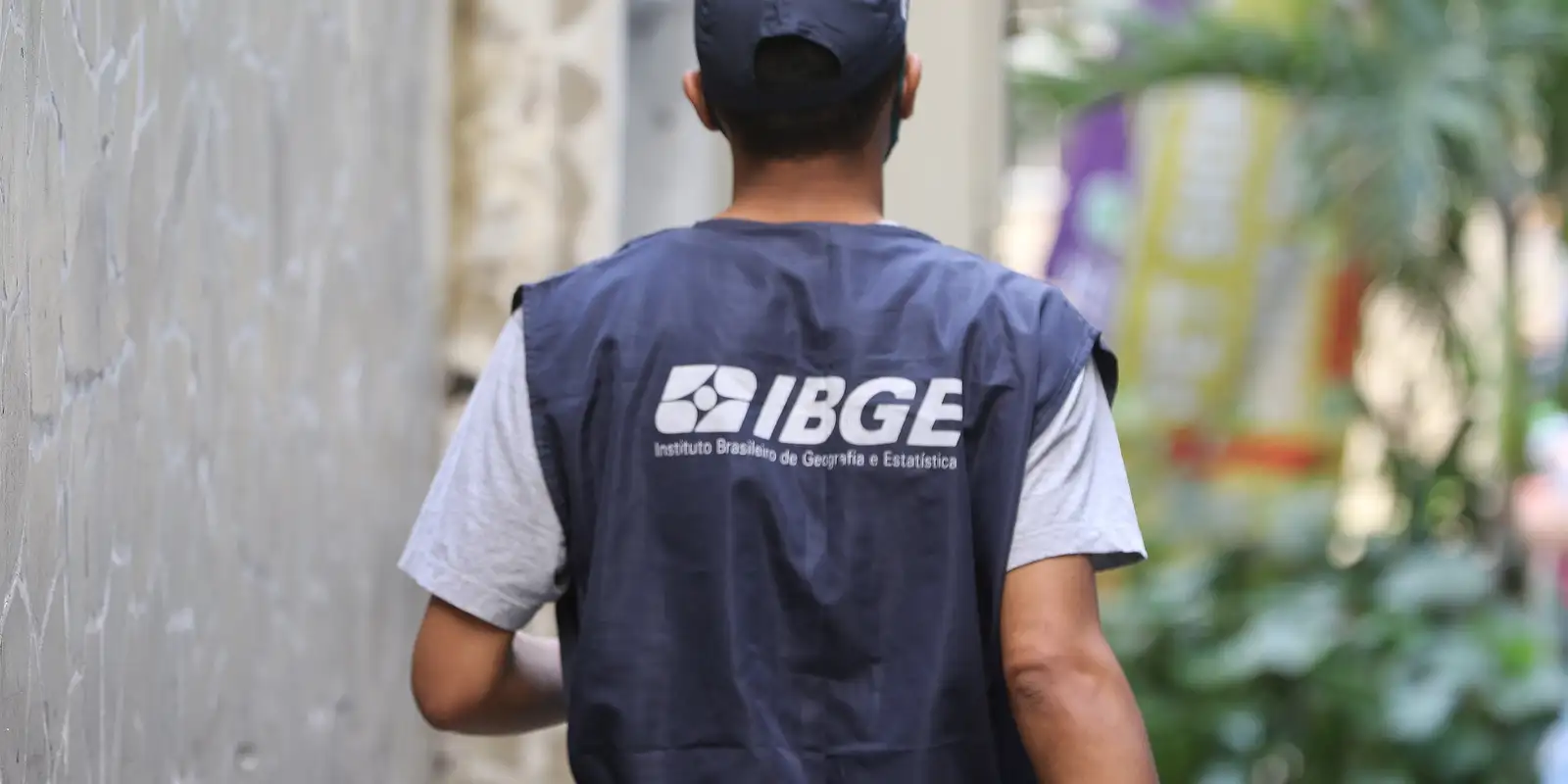
IBGE (Brazil's national statistics institute) said on Monday, September 14, that it will refer to the Polícia Federal (Federal Police) and the Advocacia-Geral da União (AGU, the federal solicitor general's office) the circulation of lies online about the Pesquisa Nacional de Saúde (National Health Survey, PNS).
The institute identified a push on social media suggesting that the survey would serve to build "a state DNA bank" — a claim it rejects.
What the survey actually does
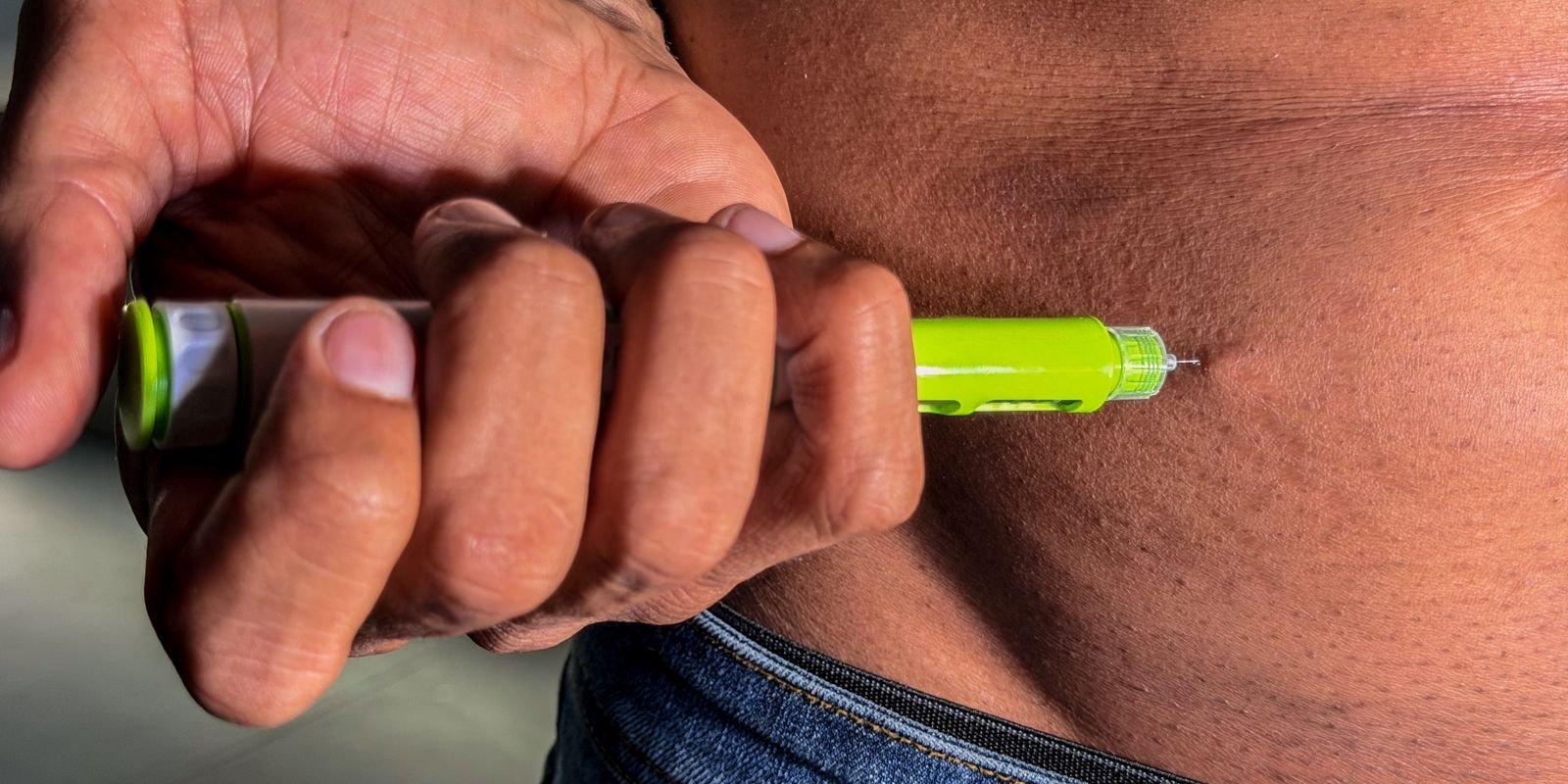
In a statement, IBGE explained that blood and urine are collected exclusively for the purposes of the survey, and that the materials are discarded at the end. The tests look at levels of glucose, cholesterol and creatinine in the population, for example.
The biological material is used only to produce health indicators. The survey is conducted in partnership with the Ministério da Saúde (Ministry of Health) and serves the planning of prevention measures, services, vaccination campaigns and the promotion of healthy eating.
Why call in the Polícia Federal and the AGU
According to the institute, the disinformation of recent days is affecting the collection operation across the country — and that is why those responsible need to be identified.
The argument is practical, not rhetorical: an enumerator who arrives at a house where the rumor has circulated finds the door closed, and the data that is missing is not made up later.
The numbers behind the survey
This is the third edition of the Pesquisa Nacional de Saúde. It began in July and aims to visit 140,000 households to gather information on lifestyle habits and access to health services.
Through the end of November, the field agents also measure weight and height and take the blood pressure of some of the respondents. The blood and urine collection, carried out by qualified professionals, is expected to cover 15,000 to 20,000 people aged 35 and older.
"When a person takes part in the PNS 2026, they are not only answering a survey: they are helping Brazil to know its population better and to plan, today and in the future, health care aligned with the needs of Brazilians," the statement says.
With information from Agência Brasil. Original report by Isabela Vieira, published on September 14, 2026.