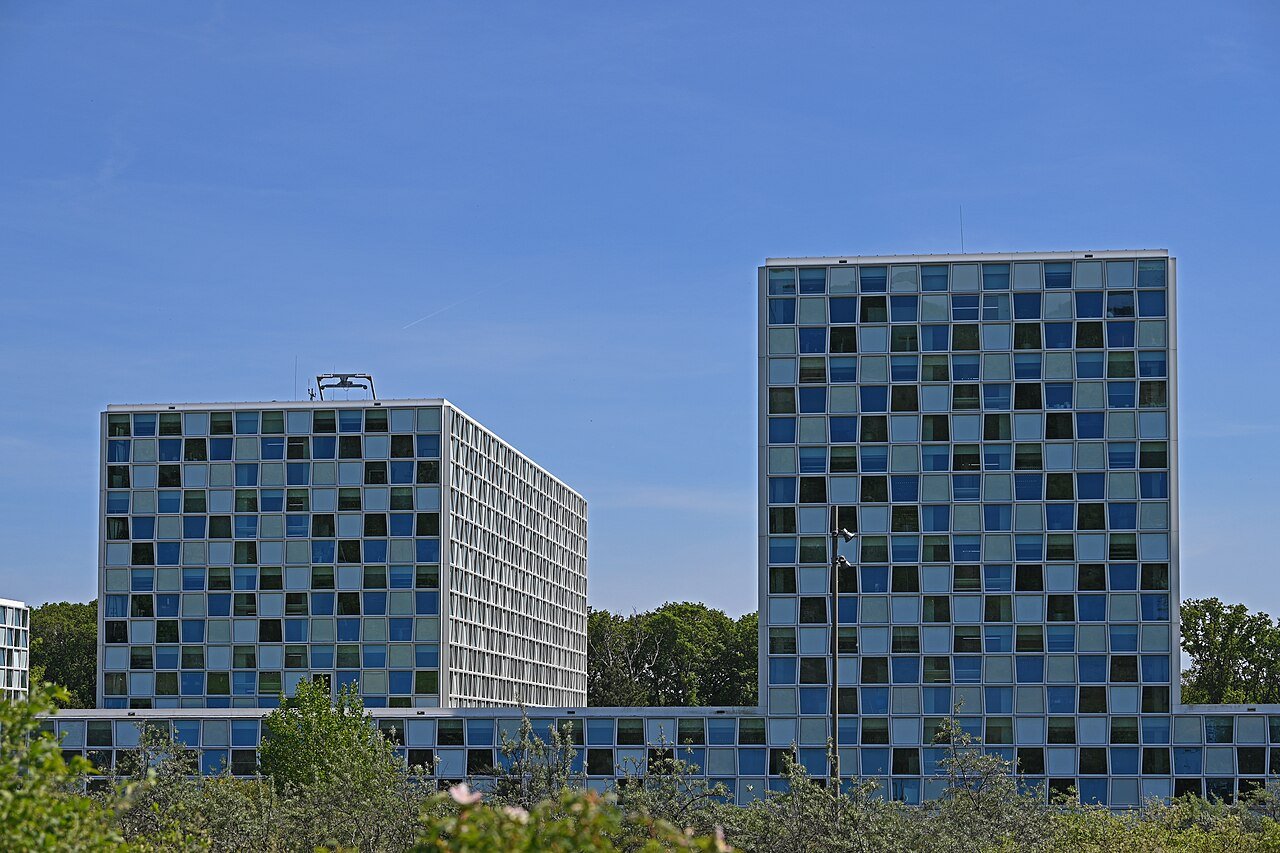
The International Criminal Court (ICC) convicted Mahamat Said Abdel Kani in The Hague on Wednesday of crimes against humanity committed in the Central African Republic in 2013. At 56, he is the first Seleka coalition commander to be convicted by the court.
What the court decided
Said Abdel Kani was found guilty of crimes against humanity, among them torture and persecution. The court acquitted him of three war crimes counts. His sentence has not yet been set and will be determined at a separate hearing.
The trial was presided over by Judge Miatta Maria Samba. According to the ruling, Said ran the Central Office for the Repression of Banditry in Bangui, which was turned into a detention centre for opponents of then-President François Bozizé. Detainees were held in underground cells and subjected to whipping, simulated drowning and a restraint technique known as "Arbatacher". Describing the cells, the judge said "the floor was covered in waste, and it smelled of faeces and urine".
The defendant shook his head as the verdict was read out.
The context
Seleka is the predominantly Muslim coalition that seized power in the Central African Republic in 2013, toppling Bozizé and opening a cycle of violence that pitted its fighters against the anti-Balaka militias. The ICC had already convicted two anti-Balaka leaders over the same conflict — this is the first conviction from the other side.
From the court's standpoint, it is a ruling that balances the judicial record of a war in which both sides answered for atrocities. For the victims, the practical reach remains limited: most commanders on both sides have never been brought to trial.
With information from the International Criminal Court, Al Jazeera, Human Rights Watch and allAfrica.