Indian Prime Minister Narendra Modi announced in New Delhi on Monday a cooperation package worth 240 billion Nepali rupees — about $1.62 billion — for Nepal's reconstruction, three months after the flood caused by a glacier collapse that devastated the north of the country. It is one of India's largest-ever relief commitments, according to Al Jazeera.
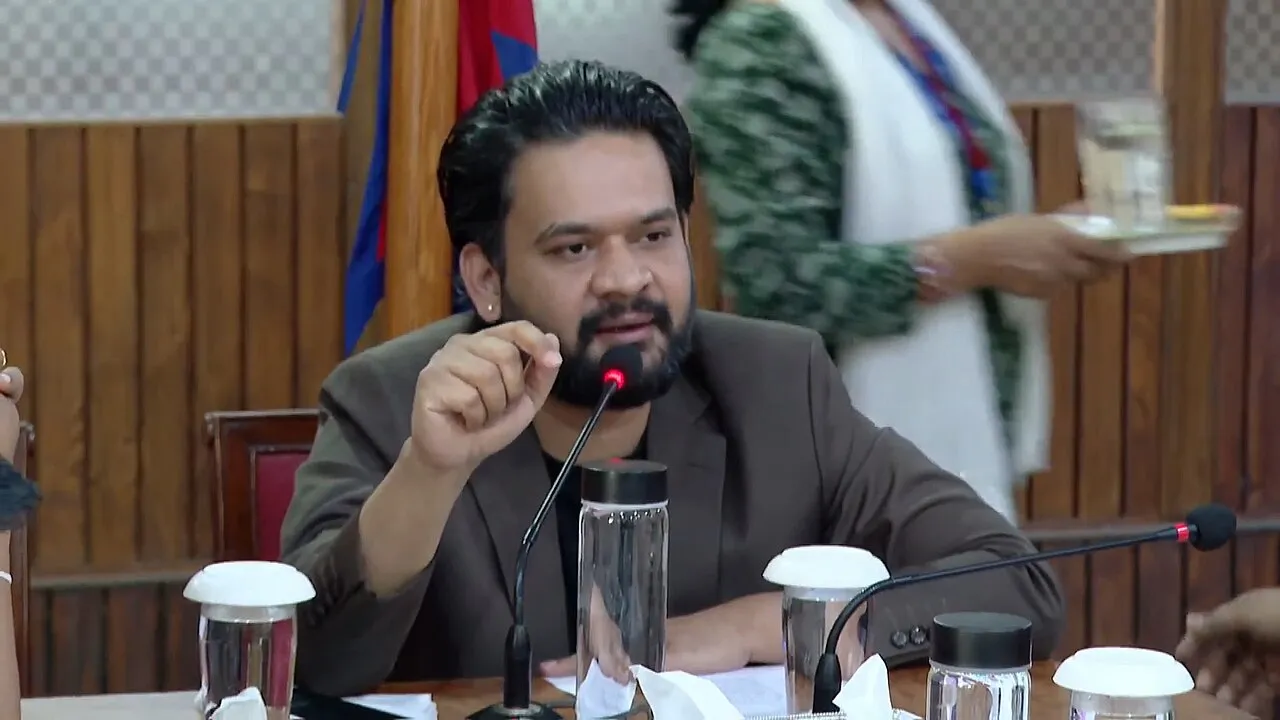
The announcement came in a joint statement alongside Nepali Prime Minister Balendra Shah at Hyderabad House, India's official hospitality venue. It is Shah's first bilateral trip abroad since taking office in March.
"To support Nepal's reconstruction, and give fresh momentum to its long-term development, we announce a development cooperation package worth 240 billion Nepali rupees," Modi said, after offering condolences for the August deaths.
How much is a grant and how much is a loan
The breakdown, set out in the two countries' joint statement and reported by Al Jazeera, separates two very different things:
- $377 million as a grant, for post-disaster reconstruction and new infrastructure projects;
- $1.24 billion as a line of credit, earmarked for energy projects.
In other words, nearly four fifths of the package is credit to be repaid rather than money given outright. Repayment terms were not disclosed.
The reconstruction bill is far larger than the offer. Nepal puts the total cost at €4.35 billion, according to Euronews — roughly three times the amount India announced. In October, the UN loss and damage fund set aside $20 million for the country.
The 26 August disaster
On 26 August, part of a mountain glacier collapsed and the mass of water, ice and rock swept down the rivers, hitting the Nepali districts of Rasuwa and Nuwakot as well as China's Tibet region. The rockfall registered as a magnitude 5.2 seismic event, according to Euronews.
The toll stands at more than 1,300 confirmed deaths and more than 5,000 missing, according to Al Jazeera; Euronews puts the death toll at more than 1,400. Among the missing are at least 900 workers from 12 damaged hydropower projects — which explains why the largest share of the Indian package goes to energy.
What else was agreed
Beyond the money, the two governments signed cooperation agreements on education and research, satellite communications and sustainable urban development. Modi and Shah also jointly opened a rail link between the two countries.
The backdrop is the contest for influence in the Himalayas. India accounts for more than 60% of Nepal's imports, worth $8.6 billion, against 13% — or $1.8 billion — for China, according to World Bank figures cited by Al Jazeera.
"May the friendship between Nepal and India be one where trust stands as tall as the Himalayas," Shah said.
With information from Al Jazeera (with AFP and Reuters) and Euronews.