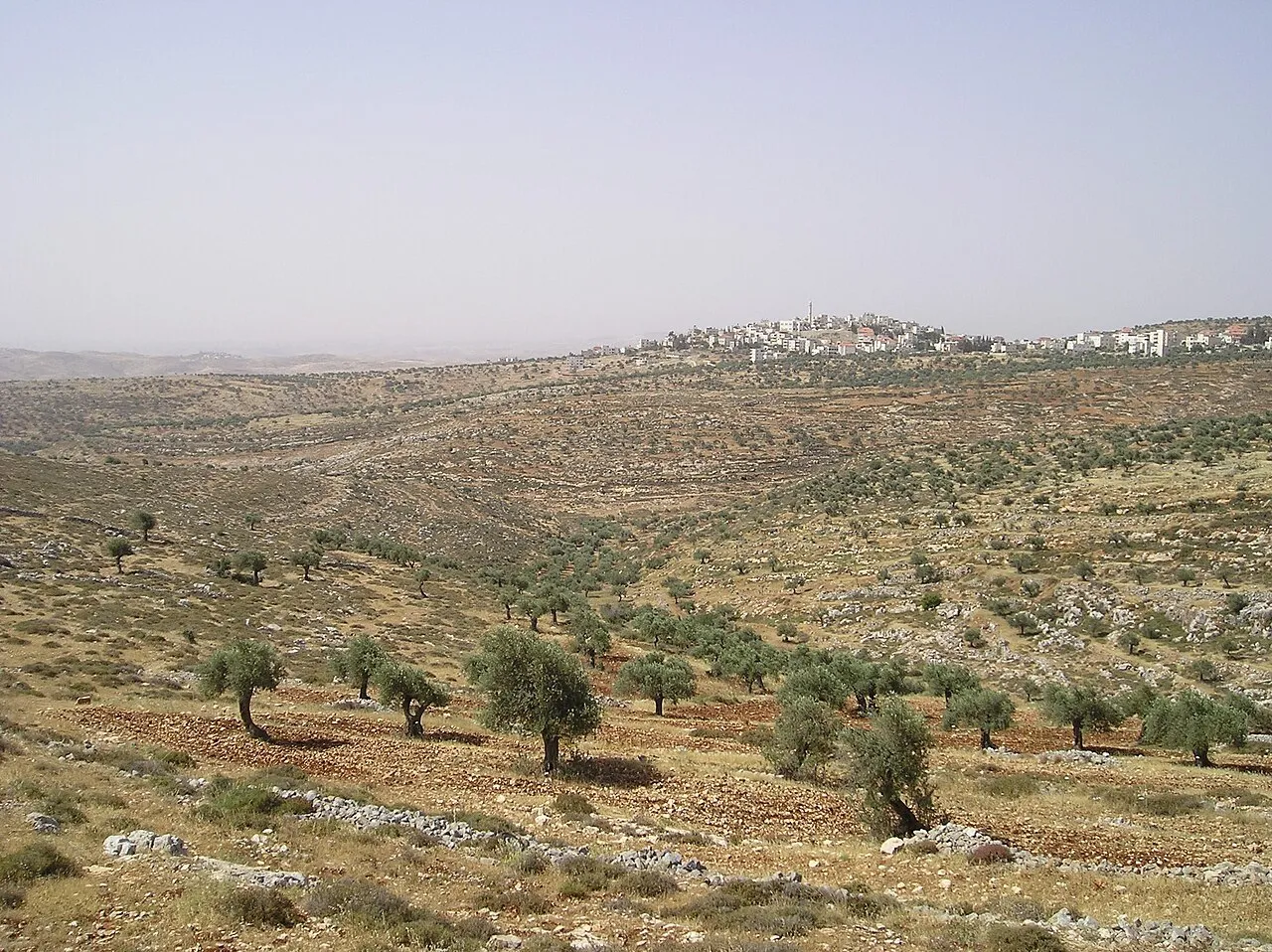
A group of masked Israeli settlers attacked a European diplomatic delegation visiting the Palestinian village of Taybeh, northeast of Jerusalem in the occupied West Bank, on Saturday. The episode turned into a diplomatic crisis: Belgium announced it would press for new European Union sanctions, and Israel's foreign ministry said it had contacted the ambassadors of the countries involved.
Who was there
According to Belgian Foreign Minister Maxime Prevot, the group included Belgium's consul general in Jerusalem, diplomats from France and Poland, and Catholic representatives. Prevot said a French mayor was assaulted and a Belgian vehicle damaged, and reported that his team was safe.
Al Jazeera correspondent Nour Odeh reported that the settlers surrounded the delegation's cars, pelted them with stones and smashed their windows. Footage released by activist Amit Orfali shows masked men demanding identification; Orfali said the group "threatened to kill us".
The French mayor who was assaulted, Bernard Baudoux, said the attack suggests "tolerance on the part of the Israeli government".
The reactions
Prevot attributed the episode to Israel's "illegal settlement policy" and said he would push for new sanctions within the European Union. He added that, as the occupying power, Israel is obliged to protect Palestinians, and that impunity for violent settlers must end.
French Foreign Minister Jean-Noël Barrot called on Israel to arrest the "extremist settlers" and bring them to justice.
On the Israeli side, the responses diverged:
- the army called the attack a "severe act of violence", but said the visit had not been coordinated with the military and that no soldiers were at the scene;
- the police opened an investigation and said they condemn violence of any kind;
- Foreign Minister Gideon Saar publicly condemned the attacks and said the ministry was in contact with the ambassadors of the countries affected;
- the office of Prime Minister Benjamin Netanyahu treated the reports as "alleged" and said they require "compelling evidence", while acknowledging that footage exists.
The olive harvest as backdrop
The attack on the diplomats was not an isolated incident. The day before, settlers attacked at least eight villages in the northern West Bank. On the same Saturday, according to Al Jazeera, people were injured in Ma'in, in Masafer Yatta — six, among them four women and a child, by the count of the Palestine Red Crescent Society — olive pickers were fired on in Deir Ammar and Deir Jarir, and about 20 sheep were killed in Kafr Malek.
The violence is concentrated around the olive harvest, a period in which Palestinian farmers have historically been targeted by settler attacks. Nour Odeh cited 300 documented attacks since the beginning of October. The UN Office for the Coordination of Humanitarian Affairs (OCHA) recorded 178 settler attacks linked to the harvest in 2025. Since this year's harvest began, at least four people have been killed and more than 100 injured, according to the Palestinian Health Ministry.
Israel's political calendar also weighs on the episode: Netanyahu faces closely contested elections in less than two weeks.
With information from Euronews, Al Jazeera, AFP and AP.