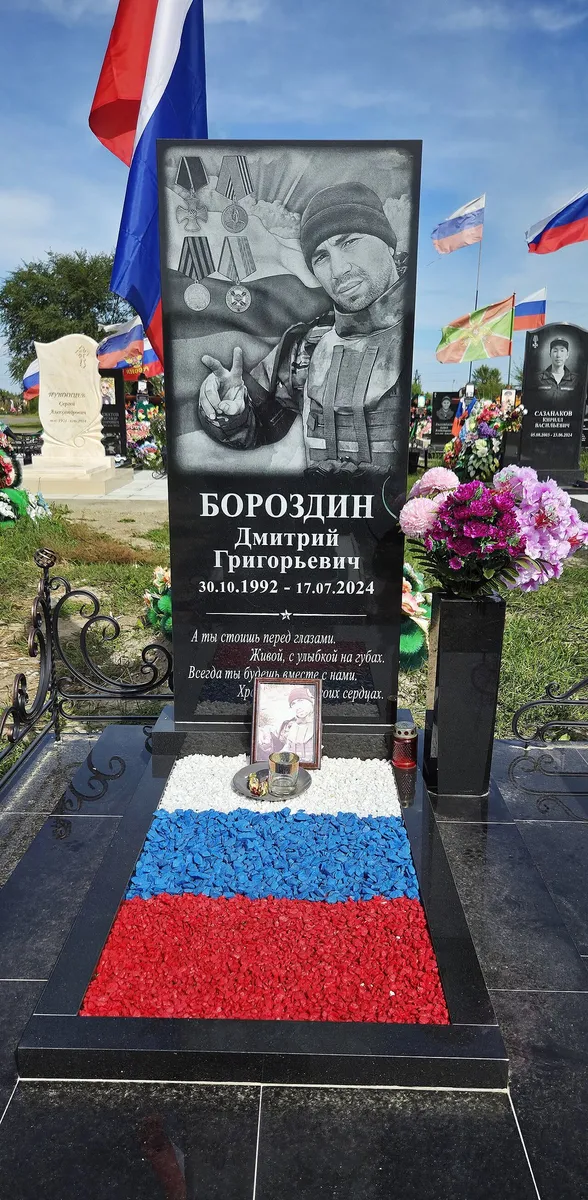
At least 490,000 Russian service members have died since the invasion of Ukraine began in February 2022, through the end of September this year. The figure does not come from Kyiv or from Western intelligence: it comes out of the death records of Rosstat, Russia's federal statistics agency, obtained by two hacker groups and analysed by the independent Russian outlets Mediazona and Meduza.
The joint analysis was published on 23 November and, adding in deaths that have yet to reach the official registry, arrives at more than 720,000 military deaths by the start of autumn.
How the database was obtained
The Belarusian group Cyber Partisans and the Ukrainian group Silent Crow announced on 1 November that they had broken into Rosstat's internal networks. They passed death records to journalists on 8 November and a fresher batch on 15 November, covering registrations through 29 September 2026.
After duplicates and errors were stripped out, the database holds about 11.7 million unique records of death from any cause between January 2021 and that date. Rosstat has not published detailed mortality data since mid-2025. The agency acknowledged the cyberattack but said no protected information had leaked, according to the BBC's Russian service.
"We are confident that this data is real", Mediazona said.
What makes up the 490,000
The count covers Russian men aged 18 to 64 and breaks down, according to the analysis, into about 425,000 records indicating a war-related cause, about 45,000 men declared dead by a court after being listed as missing, and about 20,000 cases carrying markers such as military service combined with blast or gunshot wounds.
To test the database, the journalists cross-checked it against lists of the dead identified by name, the public probate registry and court rulings: about 95% of already-identified service members who died before 29 September appear in the files, and 97% of the record numbers cited in rulings matched the entries.
The higher estimate of more than 720,000 comes from a Berkson-Gage "cure" model from epidemiology that treats the three registration routes for a death separately — medical report, death certificate and court ruling — each with its own delay. Its inputs include more than 160,000 missing-person notices posted by relatives and collected by Mediazona since 2023; fewer than 10% of those sought turn up alive.
A war that has grown deadlier
The numbers show a rising curve. According to iStories, the average daily death toll went from about 60 in 2022 to 150 in 2023, more than 400 in 2024 and 584 in 2025 — the deadliest year in the series. The median age of the service members killed rose from 33 in 2022 to 40 in 2026, and more than 7,000 of the dead were 18 or 19, about half of them in 2025.
Explosions and shrapnel account for 92% of deaths in the combat zone, and gunshot wounds for 1.3%. The war's burden is also unevenly spread across the Russian map: the Jewish Autonomous Oblast records nearly 1,000 military deaths per 100,000 residents, against 63 in Moscow.
Other newsrooms reached similar levels analysing the same files: Novaya Gazeta Europe counted 490,000, The Insider at least 472,000, and Proekt 474,000 war-related deaths.
Russia last disclosed its combat losses in September 2022 and treats independent estimates as unreliable. Ukraine's General Staff reported about 1.64 million Russian casualties as of 24 November — a total that includes the wounded rather than deaths alone, and so is not directly comparable with a count of fatalities.
With information from Meduza, Mediazona, The Moscow Times and Euromaidan Press.