The three Baltic states spent the night from Tuesday (10) to Wednesday (11) on alert. Unidentified drones entered Lithuanian airspace from Belarus, the authorities told the public to take shelter, NATO fighter jets were scrambled twice — and none of the aircraft was brought down. The alerts were lifted a few hours later, with no injuries reported.
It was, in the words of Lithuanian Prime Minister Mindaugas Sinkevičius, "a difficult night". Writing on Facebook, he said four drones had been detected across the region.
How the night unfolded
The first warning went out around 11pm on Tuesday, at the yellow level, for the Vilnius and Utena regions, and was lifted shortly after midnight. The second followed: it began in Alytus, spread across much of central and northern Lithuania and was raised to red — which, in the Lithuanian system, means residents are told to move to shelters.
Vilmantas Vitkauskas, head of Lithuania's National Crisis Management Centre, said three drones were first detected over Belarus. One of them is believed to have entered Lithuanian territory near Druskininkai, on the southern border, possibly crossed briefly into Polish airspace, then flown north and left Lithuanian airspace near Pasvalys.
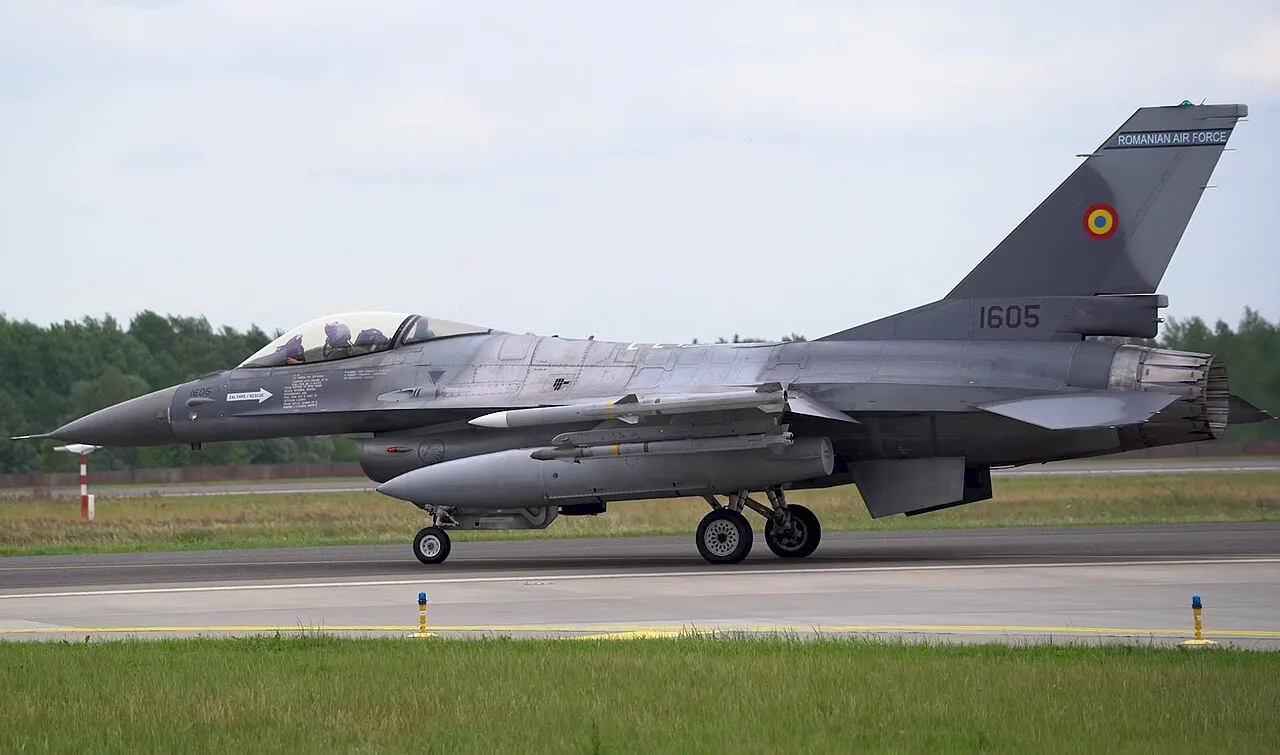
The jets came close to contact, according to Vitkauskas, but did not fire. He pointed to poor weather and the risk of downing the aircraft over an unsuitable area as possible reasons. There was, even so, an attempt at a shoot-down in the north of the country: debris from a NATO missile was found on the ground, and it is not known whether the drone was hit.
Vilnius and Kaunas airports closed during the episode, after a warning about possible weather balloons. In Vilnius, three flights were affected, involving more than 400 passengers.
Latvia, Estonia and Finland
After 3am, Latvia issued airspace threat warnings for Cēsis, Smiltene and Gulbene, and the Latvian armed forces activated interceptors, air defence and NATO air policing. The Latvian military said similar warnings had been issued in some areas of Estonia and Lithuania.
Outside the Baltic group, Finland imposed temporary airspace and maritime restrictions in the eastern Gulf of Finland, withdrawn later on Wednesday. The Finnish Defence Forces said on X that the measure was precautionary.
Who blames whom
The night coincided with attacks from both sides of the war. Ukrainian drones struck Russia's northwest and set fire to the Ust-Luga port area, injuring three; drone debris killed two people in Russia's Smolensk region, which borders Belarus, according to the local governor cited by Russian news agencies. In Ukraine, a Russian air strike knocked out power in parts of Kryvyi Rih, injured one person in Kharkiv and six in Zaporizhzhia. Reuters said it could not independently confirm those reports.
Attributing the drones that entered the Baltic region is the point in dispute. Moscow accuses Kyiv of using NATO airspace as cover for its attacks. Kyiv says Russian electronic jamming pushed some of its drones off course. The NATO countries hold Russia responsible for the incidents.
The political cost of these alerts is not hypothetical: drone warnings contributed to the collapse of Latvia's government earlier this year.
With information from Reuters and Lithuanian public broadcaster LRT.