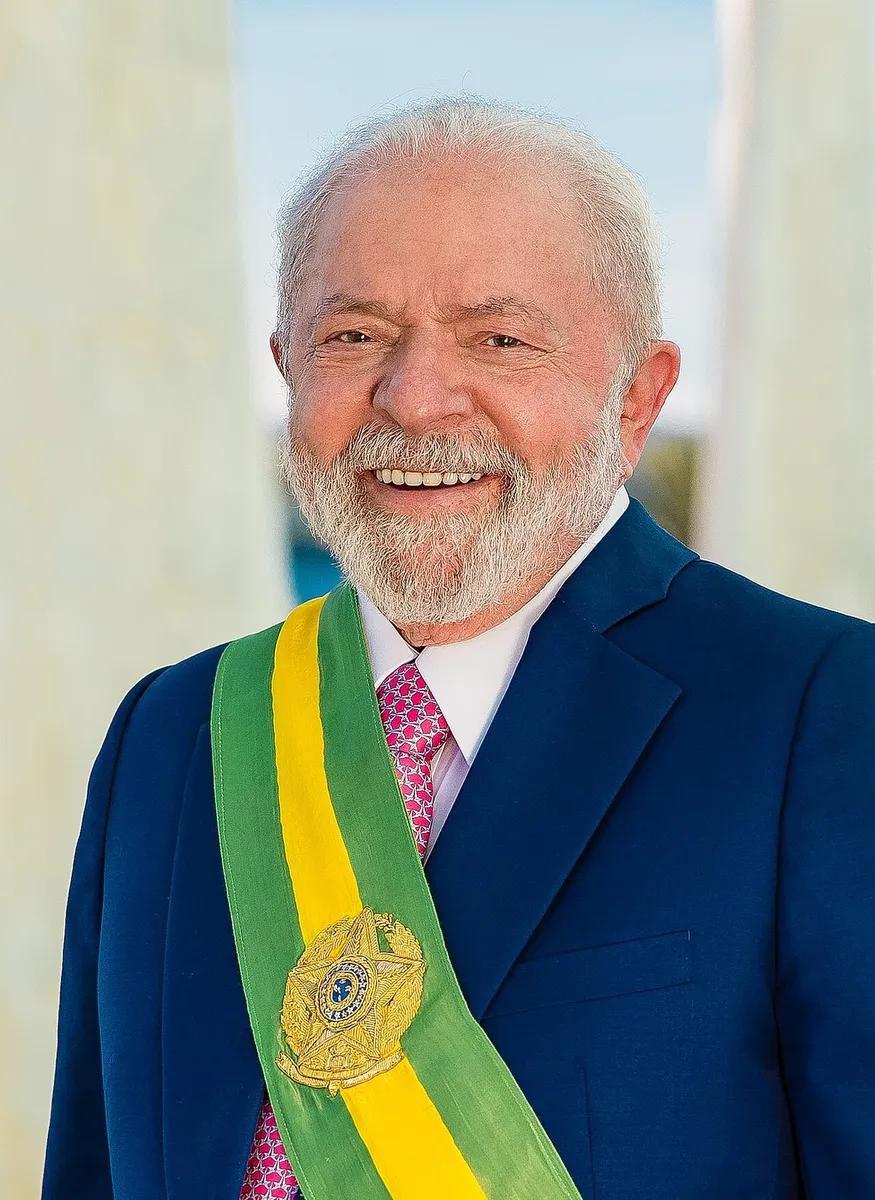
President Luiz Inácio Lula da Silva went on national radio and television on Sunday night (8) for his first address since winning the October 25 runoff, and he gave room to the subject markets had been pressing him on: public debt and interest rates.
"A trajetória da dívida pública e os juros altos me preocupam" — the path of public debt and high interest rates worry me — he said, adding that "we will create the conditions to reduce the interest rate". The message came with a commitment on method — "all of this effort will be made while preserving the fiscal rules" — but not a single concrete measure to contain spending or raise revenue.
The numbers he cited, and the ones he did not
General government gross debt reached 82.9% of GDP in September, against 71.38% in January 2023, when Lula took office for a third term. The president set the goal of lifting the country's investment to more than 20% of GDP, in partnership with the private sector, and said his government's work "will focus on growth, without abandoning care for those who need it most".
Two pledges with a direct effect on the budget came without figures or deadlines: the government buying up household debt held by banks, and writing off debts owed to the federal government by individual micro-entrepreneurs (MEIs, Brazil's simplified status for the self-employed), the latter tied to the Prospera MEI programme. According to the Brazilian magazine Exame, Finance Minister Dario Durigan said the president will only decide on fiscal measures after returning from an international trip.
Public security, and a demand on the courts
Lula confirmed he will send Congress the medida provisória (a provisional decree that takes effect immediately and then needs congressional approval) creating a Ministério da Segurança Pública (Ministry of Public Security), the next step after the constitutional amendment on the subject was approved. The ministry does not yet exist, and the pledge had already been made by the president last week.
He also argued for urgency in political reform and in reform of the judiciary, and called for judges free of conflicts of interest — without presenting a formal proposal for either.
The social and tax agenda of a fourth term
Among measures already approved, the president listed the income tax exemption for people earning up to R$ 5,000 a month and the end of the 6x1 work schedule — six days on, one off — with no pay cut. Among those still depending on passage or regulation, he cited zero tax on the basic food basket from next year and the constitutional amendment proposal making weekend public transport free, sent to Congress in October.
On education, he promised to universalise full-time schooling and the Pé-de-Meia programme (a savings stipend for secondary-school students), and to create Pé-de-Meia Universitário for vulnerable university students, with no start date. He also pledged to strengthen the national pact against femicide, expand the national care policy for older people and tighten protection of children and adolescents, including online. On the ban on fixed-odds betting houses, he said the measure is boosting consumption, without presenting data.
The message to his opponent
"Vou governar para todas as brasileiras e todos os brasileiros, como sempre fiz" — I will govern for all Brazilian women and all Brazilian men, as I always have — Lula said at the start of the speech, in an indirect reference to his defeated rival. In the runoff, the president took 64,256,232 votes, or 51.79% of valid votes, against 59,826,041 votes (48.21%) for Flávio Bolsonaro (PL), according to the Tribunal Superior Eleitoral (Superior Electoral Court). His fourth term begins in January 2027.
With information from Agência Gov, Exame and Vale 360 News.