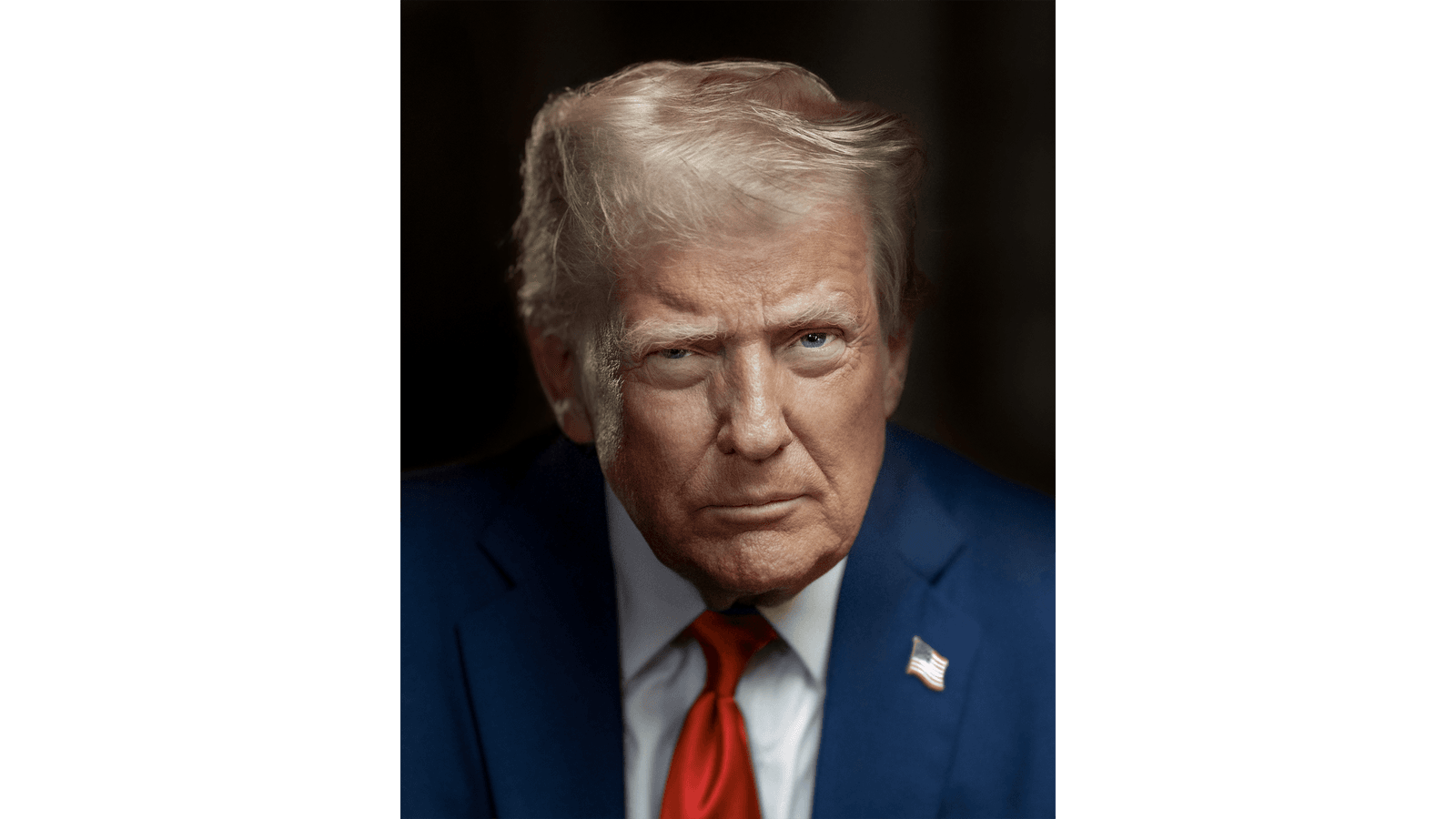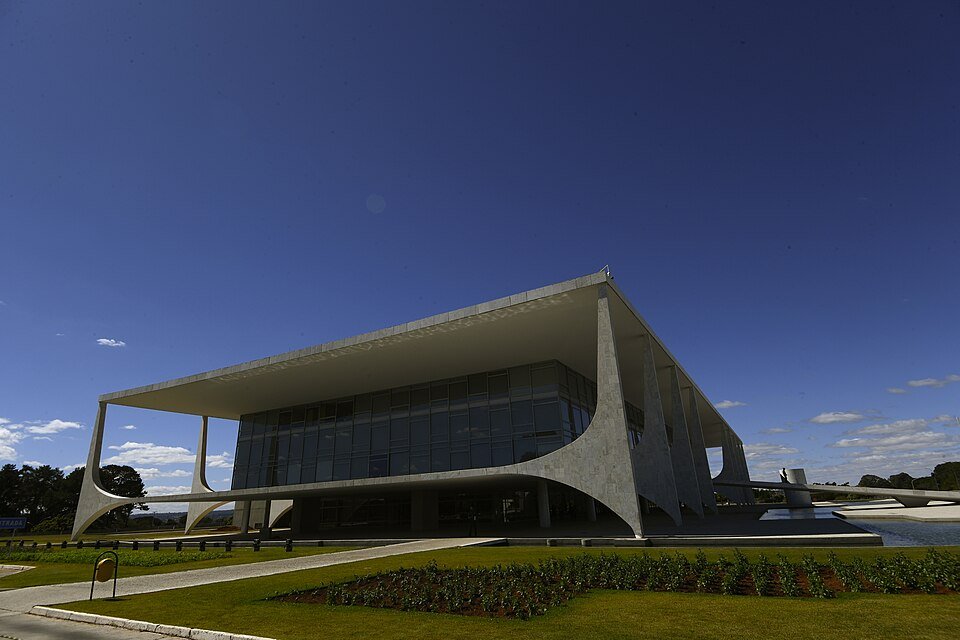
President Luiz Inácio Lula da Silva on Wednesday (16) signed into law the Política Nacional de Minerais Críticos e Estratégicos (National Policy for Critical and Strategic Minerals) at a ceremony in the Palácio do Planalto, the presidential office. It is Brazil's first legal framework dedicated to minerals considered essential for technology, energy, defence and agriculture — rare earths among them — and its core aim is to have them processed and transformed in Brazil rather than shipped out as raw material.
The bill was authored by congressman Zé Silva (União-MG) and steered through the Câmara dos Deputados (lower house) by congressman Arnaldo Jardim (Cidadania-SP).
What the law creates
- a national council for the industrialisation of critical and strategic minerals, attached to the Presidency, to coordinate and monitor the policy and propose measures for the supply chains;
- the Fundo Garantidor da Atividade Mineral (Fgam), a mining guarantee fund with an initial R$ 2 billion from the federal government, which may grow to R$ 5 billion, to back loans to the sector;
- tax credits of up to R$ 5 billion between 2030 and 2034 for companies that refine, transform or recycle these minerals in Brazil;
- a low-carbon mineral certificate, aimed at buyers' environmental requirements.
Together, the instruments add up to as much as R$ 7 billion in incentives. The policy also raises the research budget of the Serviço Geológico do Brasil (SGB, Brazil's geological survey) for these minerals from R$ 8 million to R$ 300 million over 2026 and 2027. According to Agência Brasil, only about 25% of the country has been geologically mapped.
Why it matters
Rare earths are a group of 17 chemical elements used in the magnets of wind turbines, electric cars and smartphones. Brazil holds one of the world's largest reserves, estimated at around 21 million tonnes, but refining is concentrated in a handful of countries, which has turned the subject into a geopolitical contest.
Mines and Energy Minister Alexandre Silveira said the country now has "a solid, structured industrial policy with regulatory predictability". Industry is asking for stability: Pablo Cesário, of the Instituto Brasileiro de Mineração (Ibram, the Brazilian Mining Institute), told Agência Brasil that mining cycles "often reach 40 years".
A campaign issue
The signing came in the middle of the election campaign, and Lula used the ceremony to attack his opponents. According to the newspaper O Tempo, the president accused rivals of having "fallen to their knees" before the United States and of backing the sale of the minerals raw and cheap. Sovereignty over critical minerals has become one of the themes of the presidential race.
Reporting from Agência Brasil, Agência Câmara, Metrópoles and O Tempo.