
Mexico's Congress has finished approving the constitutional reform that requires sole Mexican nationality of anyone seeking the presidency, a state governorship or the Jefatura de Gobierno (mayoralty) of Mexico City. The text now goes to state legislatures.
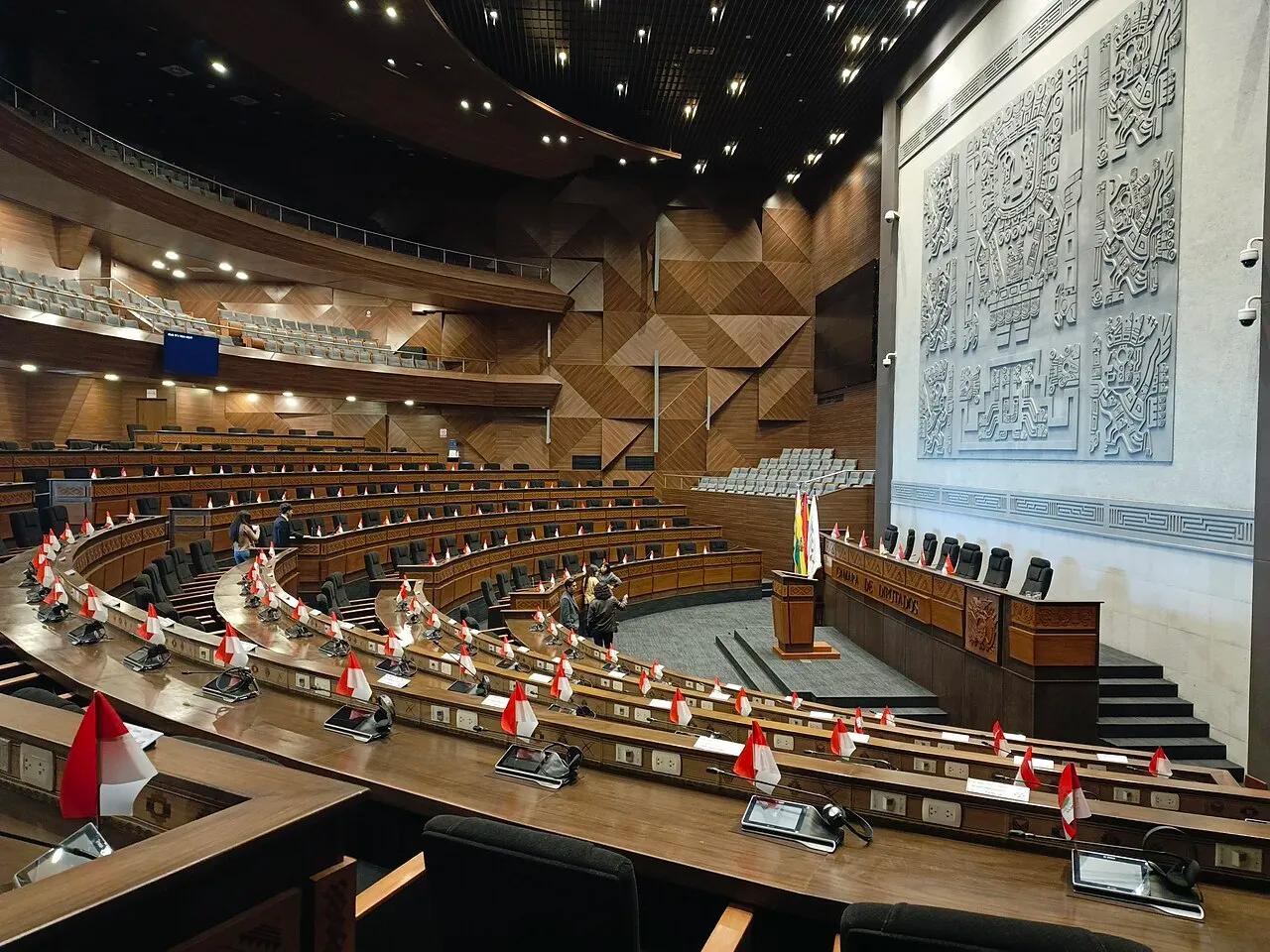
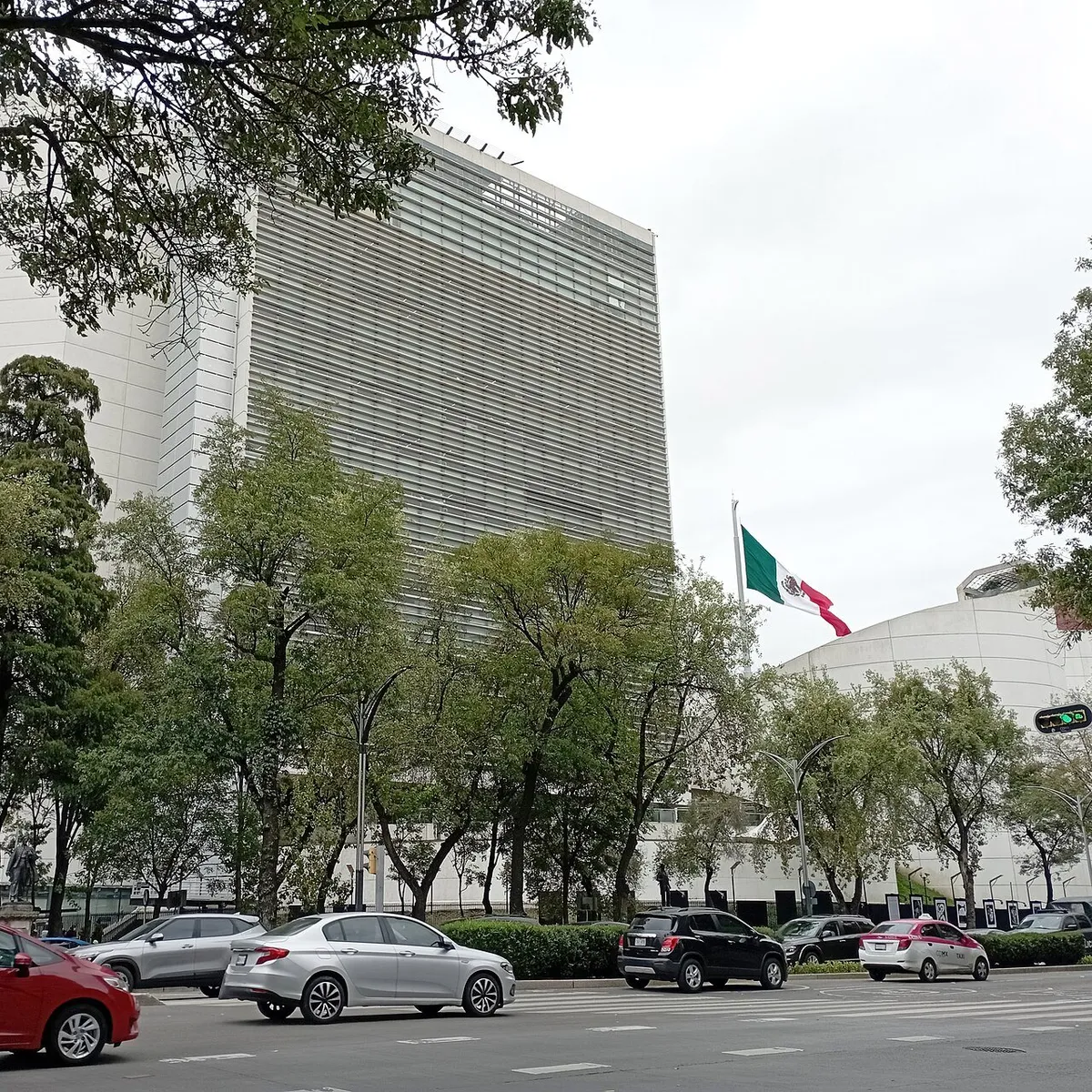
The Senate voted on 29 September 2026, 86 in favour and 42 against, clearing the supermajority a constitutional amendment requires. The Cámara de Diputados (Chamber of Deputies) had approved it a week earlier, on 22 September, by 344 votes to 115 with one abstention.
What changes
The reform amends three articles of the constitution: 82, which sets the requirements for the presidency; 116, covering state governorships; and 122, which applies to the Mexico City mayoralty.
Anyone holding dual nationality who wants to run for those offices must renounce the second one before registering a candidacy. While in office, they may not acquire another nationality, invoke foreign citizenship before authorities, use a foreign passport or seek another country's diplomatic protection.
Luisa María Alcalde, the government's chief legal counsel, said at the president's 1 October morning briefing that the requirement would apply from 2028. States will have 90 days from the reform's entry into force to adjust their own constitutions and electoral laws.
What is left
A constitutional reform in Mexico requires, after passing both chambers, ratification by a majority of state legislatures. It then returns to Congress for the formal declaration and is published in the Diario Oficial de la Federación (the official gazette). With 32 states, the threshold is 17 local legislatures.
Sheinbaum: "I thought it would be unanimous"
President Claudia Sheinbaum, who introduced the measure, said she was surprised by the votes against. "La verdad, yo pensé que iba a ser por unanimidad" ("honestly, I thought it would be unanimous"), she said on 30 September.
She also narrowed the measure's scope, separating it from dual nationality generally: any Mexican, she said, may hold dual or even triple nationality, and the restriction applies only to those seeking those three offices. On 1 October she defended the reform again, arguing it takes away no rights.
The case against
PRI leader Alejandro Moreno Cárdenas argued that holding another nationality does not compromise anyone's loyalty to the country. Senator Luis Donaldo Colosio Riojas, of Movimiento Ciudadano, said the measure stigmatises people born abroad.
The open question is how many actual contenders the rule reaches: it operates as a filter before registration, so its effect will be measured in candidacies that are never filed rather than in those that get challenged.
With information from El Financiero, Infobae, El Imparcial, Expansión, El Universal and UnoTV.