A Russian Air Force Tupolev Tu-95 strategic bomber crashed on Tuesday in a sparsely populated area of the Amur region, in Russia's Far East, killing six of the seven crew members on board. The survivor was taken to hospital. Russia's Defence Ministry confirmed the crash and the death toll.
According to the ministry, the aircraft was on a training flight and was carrying no weapons when it went down. A commission from the Aerospace Forces was dispatched to the site "to establish all the circumstances of the incident".
Where the plane came down
The crash happened near the village of Krasnoyarovo, minutes after take-off, according to the independent Russian outlet Meduza. The site lies a few dozen kilometres from Ukrainka air base, one of the largest facilities of Russia's long-range aviation — distance estimates published by Russian and international media range from 30 to 50 kilometres.
Unverified videos circulating on social media show a thick column of smoke rising from the burning wreckage.
No cause announced
The Defence Ministry did not say what brought the aircraft down. The Russian Telegram channel Baza attributed the crash to an onboard fuel explosion following a fire in one of the engines. No authority has confirmed that account, and it should be treated as preliminary.
Military and civilian aviation accidents have been recurrent in Russia's Far East. In July 2025, an Antonov An-24 crash in the same region killed 48 people.
A 1952 aircraft still on the front line
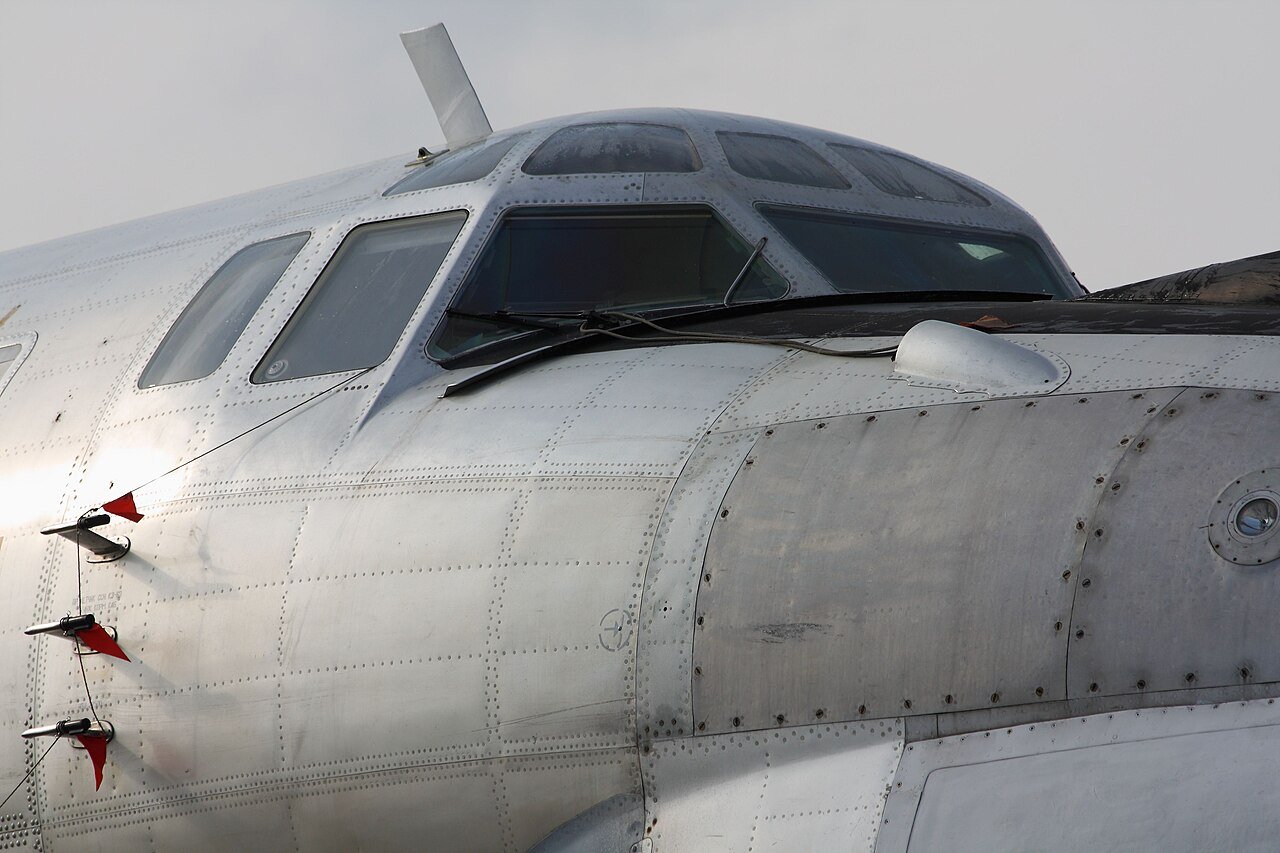
The Tu-95 — codenamed Bear by NATO — first flew in 1952 and entered service with the Soviet Union in 1956. It is the only turboprop strategic bomber still operating anywhere in the world, powered by four Kuznetsov NK-12 engines with contra-rotating propellers.
Designed during the Cold War to carry nuclear bombs, the aircraft was adapted over the decades to launch cruise missiles. In its Tu-95MS version it is one of the platforms Russia uses for long-range strikes against Ukraine — which is why the loss of each of these aircraft is followed closely in Kyiv and in European capitals.
With information from Russia's Ministry of Defence, Al Jazeera, Meduza and The Moscow Times.