Pakistan bombed 10 locations across three Afghan provinces in the early hours of Thursday, in the widest military action between the two neighbours since the ceasefire brokered in March. The Taliban government counted four civilians killed and promised retaliation.
Ten targets, three provinces
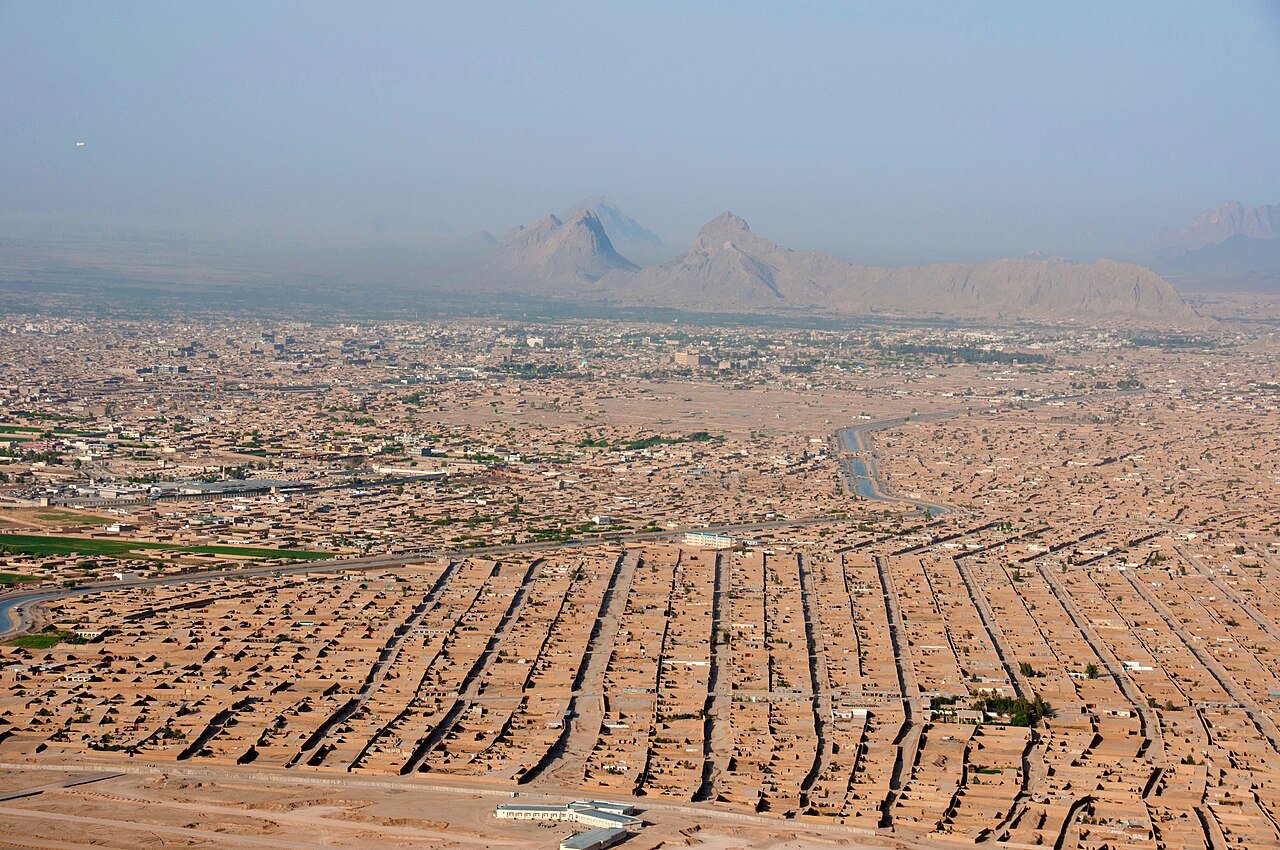
The strikes hit Kandahar, in the south, and Paktia and Khost, in the east, both along the border strip with Pakistani territory. A resident of Kandahar city told the Saudi newspaper Arab News he had heard aircraft and explosions in the city centre overnight.
Pakistan's information minister, Attaullah Tarar, described the operation as "deliberate, precise, calibrated and proportionate" and said it reached only identified military objectives. According to him, "terrorist hideouts and support infrastructure including drone launching and storage sites across 10 locations" were destroyed. The Pakistani government did not acknowledge any civilian deaths.
On the Afghan side, Taliban government spokesman Zabihullah Mujahid confirmed the strikes in the three provinces and reported four civilians killed, without specifying where. "These shameless acts of aggression and attacks by the Pakistani military regime will be met with an appropriate response through a decisive stance," he said.
The drone version
Pakistan maintains the offensive was a reaction. The day before, on Wednesday, Islamabad said eight drones had crossed its border from Afghanistan — four intercepted near Torkham and four near Kohat.
Mujahid rejected that account: according to the spokesman, Afghanistan did not launch drones at its neighbour, and the violence Pakistan attributes to Kabul is an internal Pakistani problem.
This was not the week's first episode. On Monday, Pakistani air strikes in the Nurgal district of Kunar province, in the country's north-east, killed three civilians, according to the Taliban government. Islamabad said at the time that it had eliminated 28 "terrorists" in the same operation — two tallies that do not match, and that no independent body has confirmed.
A ceasefire that did not hold
The 2,600-kilometre border between the two countries has been under open tension since October 2025, when clashes escalated to their worst level in years. In March 2026, Pakistan and Afghanistan reached a ceasefire, but rounds of mediation led by countries in the region produced no lasting settlement.
At the bottom of the dispute is an accusation Pakistan has repeated for years: that the Taliban government shelters the Tehreek-e-Taliban Pakistan (TTP), the armed group behind attacks on Pakistani soil, and allied factions. Kabul denies it.
The pattern that repeated this week — drones attributed to one side, bombing from the other, incompatible death tolls — is the same one that already brought down the previous ceasefire. The difference this time is the scale: 10 targets across three provinces, including Afghanistan's second-largest city, is not easily walked back.
With information from Al Jazeera and Arab News.