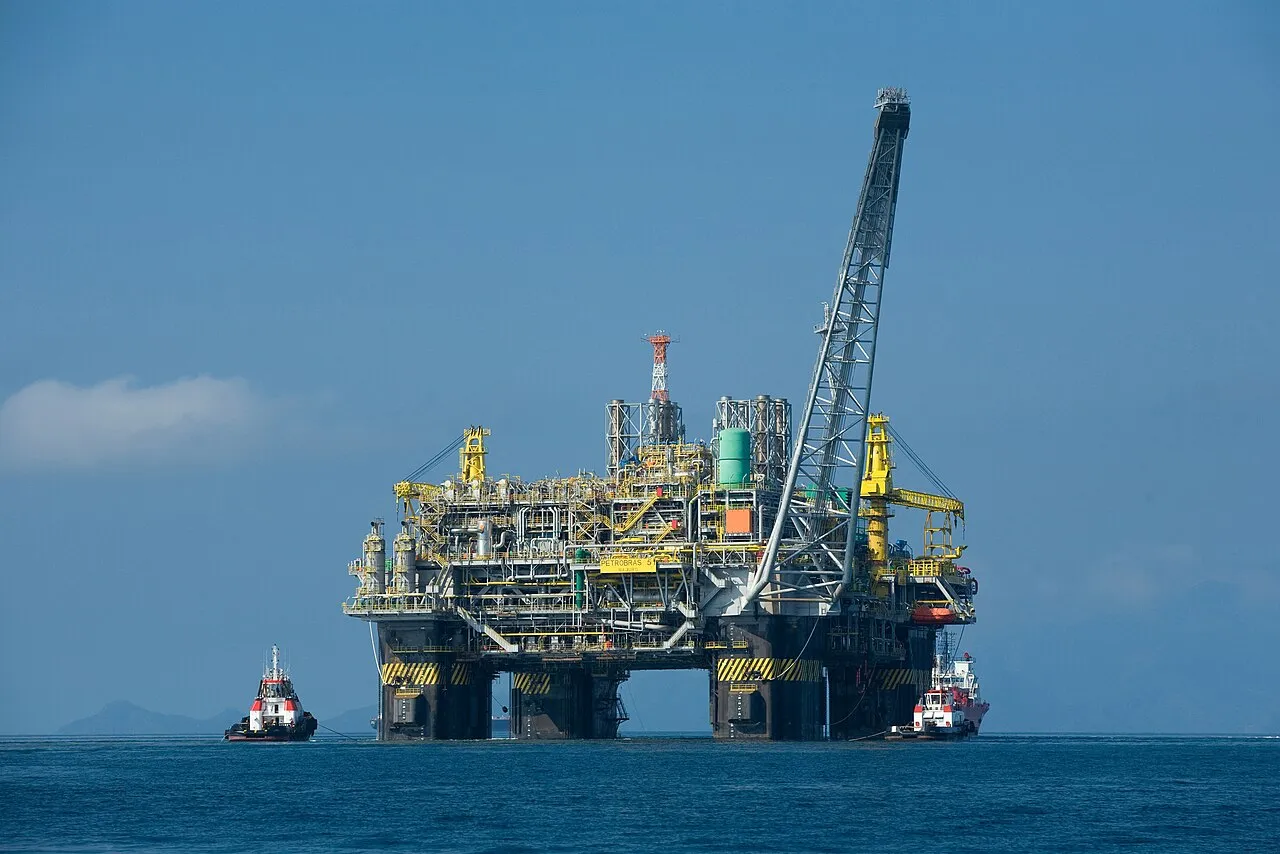
Petrobras confirmed on October 29 a third oil discovery at the Morpho well, in block FZA-M-59 in the Foz do Amazonas basin — roughly 175 kilometres off the coast of Amapá state, at a water depth of 2,886 metres. With it, the state-controlled company ended drilling and geological data collection at the well that has become the centre of its exploration programme on Brazil's Equatorial Margin.
All three finds came from the same well in under three months: the first on August 14, of light oil; the second on October 2, in a separate hydrocarbon-bearing interval; the third late last month. The company released neither volumes nor reserve estimates.
"Our technical persistence made three discoveries in the same well possible," said Petrobras chief executive Magda Chambriard.
One year and nine days of drilling
The Ibama (Brazil's federal environmental agency) granted the drilling licence on October 20, 2025, and the rig began work the same day. The path since has not been smooth. On January 4, 2026, drilling fluid was discharged into the sea; according to Petrobras, the operation was halted and the spill contained. In February, Ibama fined the company R$ 2.5 million over the episode.
On August 17, three days after the first discovery, Petrobras asked the agency for permission to drill three more wells in the area — Manga, Crotalus and Morpho Extensão. Ibama cleared all three on September 4, along with the completion of operations at Morpho.
A closed well is not an abandoned prospect
The company was careful to separate the two. Sealing Morpho — in industry jargon, abandonment — is a standard safety procedure once the data has been collected, and does not signal any loss of interest in the discovery. The NS-42 rig now leaves the Foz do Amazonas and heads for the Potiguar Basin, off the coast of Rio Grande do Norte, to drill in the Mãe de Ouro area.
Petrobras has drilled more than 700 wells along the Equatorial Margin, the stretch running from Amapá to Rio Grande do Norte whose geology resembles that of West Africa's coast, where production is well established. Chambriard said the region is also drawing interest from the international oil market, and the company frames its search for new acreage as a long-term strategy to replenish Brazil's oil and gas reserves.
The result lands while oil activity at the mouth of the Amazon river remains at the centre of a dispute over environmental impact and over what the licensing process in the region should require.
With information from Agência Brasil and Portal Amazônia.