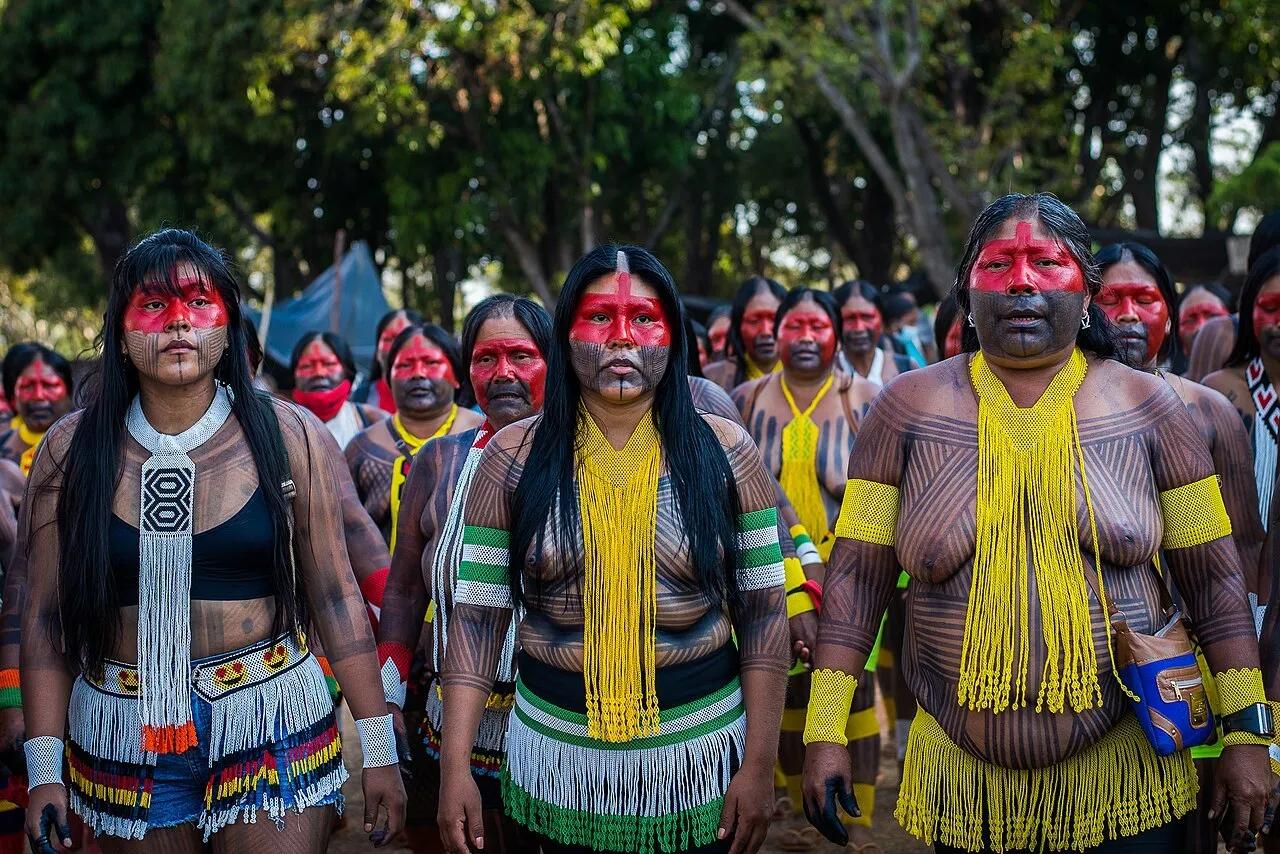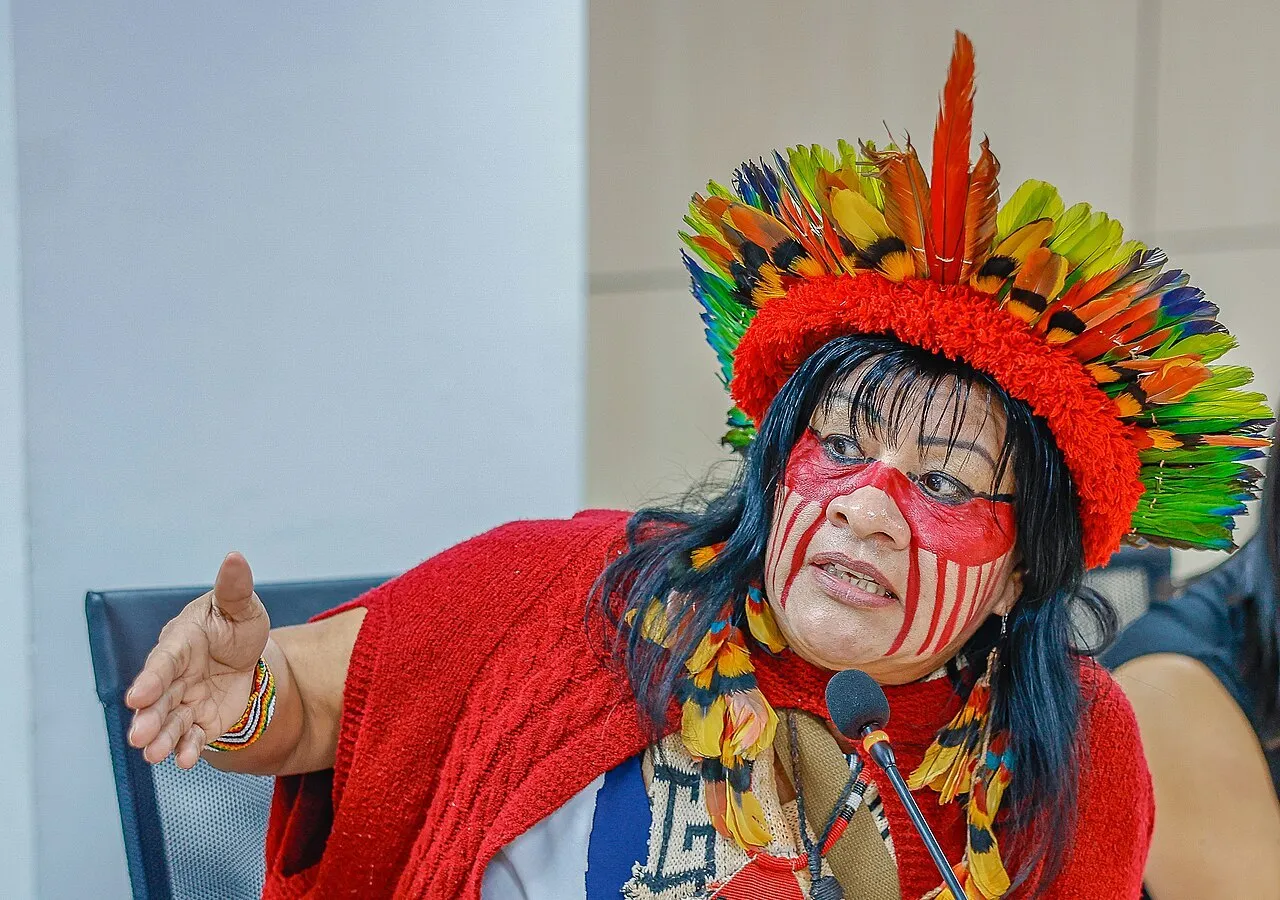
A delegation of three Brazilian federal ministers visited the state of Mato Grosso do Sul on Saturday, 31 October, to look into attacks and threats against Guarani and Kaiowá communities recorded after the second round of the presidential election.
The group comprised Eloy Terena, head of the Ministério dos Povos Indígenas (Ministry of Indigenous Peoples); Wellington César Lima e Silva, of the Ministério da Justiça e Segurança Pública (Ministry of Justice and Public Security); and Janine Mello, of the Ministério dos Direitos Humanos e Cidadania (Ministry of Human Rights and Citizenship). They met in Dourados and travelled on to the villages of Taquaperi, in Coronel Sapucaia, and Sassoró, in Tacuru. Also on the mission were the national secretary for access to justice, Sheila de Carvalho, the director-general of the Polícia Rodoviária Federal (Federal Highway Police), Fernando Oliveira, and representatives of the Polícia Federal (Federal Police), the Força Nacional (National Force) and the state's civil and military police.
"We are now going to the first Indigenous community, Taquaperi," Terena said on arrival, according to JD1 Notícias.
The figures
The Conselho Indigenista Missionário (Cimi, a Catholic indigenist missionary council) counts five killings of Indigenous people under investigation in the state since 24 October. The Articulação dos Povos Indígenas do Brasil (Apib, Brazil's national Indigenous umbrella organisation) reports more than 30 cases of politically motivated assault since the run-off, held on 25 October.
The cases
In Coronel Sapucaia, an Indigenous man is believed to have been deliberately run over. In Tacuru, an audio recording attributed to a municipal employee circulated containing a threat to poison the water used by the communities, along with racist remarks about the election result; the mayor, Rogério Torquetti (PSDB), suspended the employee. Some residents, who depend on water trucks, stopped drinking the water for fear of contamination, according to Apib. In a separate incident, an arson attack destroyed the home and the sacred objects of a 90-year-old rezadeira, a traditional prayer leader.
What has been set in motion
The federal government has set up a task force to track the cases, identify those responsible and protect the communities. The Força Nacional is already deployed in Indigenous territories in the state, and the Polícia Federal has received complaints and opened inquiries.
Funai, the federal Indigenous affairs agency, is in contact with community leaders and with the Ministério Público Federal (MPF, the federal prosecution service), which has opened an investigation and asked the Tacuru city government for an explanation of the recording and of the steps taken to protect residents. The Ministério da Justiça has asked the internal affairs units of the state and Federal District police forces for information on records of political violence.
Complaints can be filed through Disque 100, a 24-hour hotline, the Fala.BR platform and the ombudsman's office of the Ministério dos Povos Indígenas.
With information from JD1 Notícias, Plantão Brasil and Brasil 247.