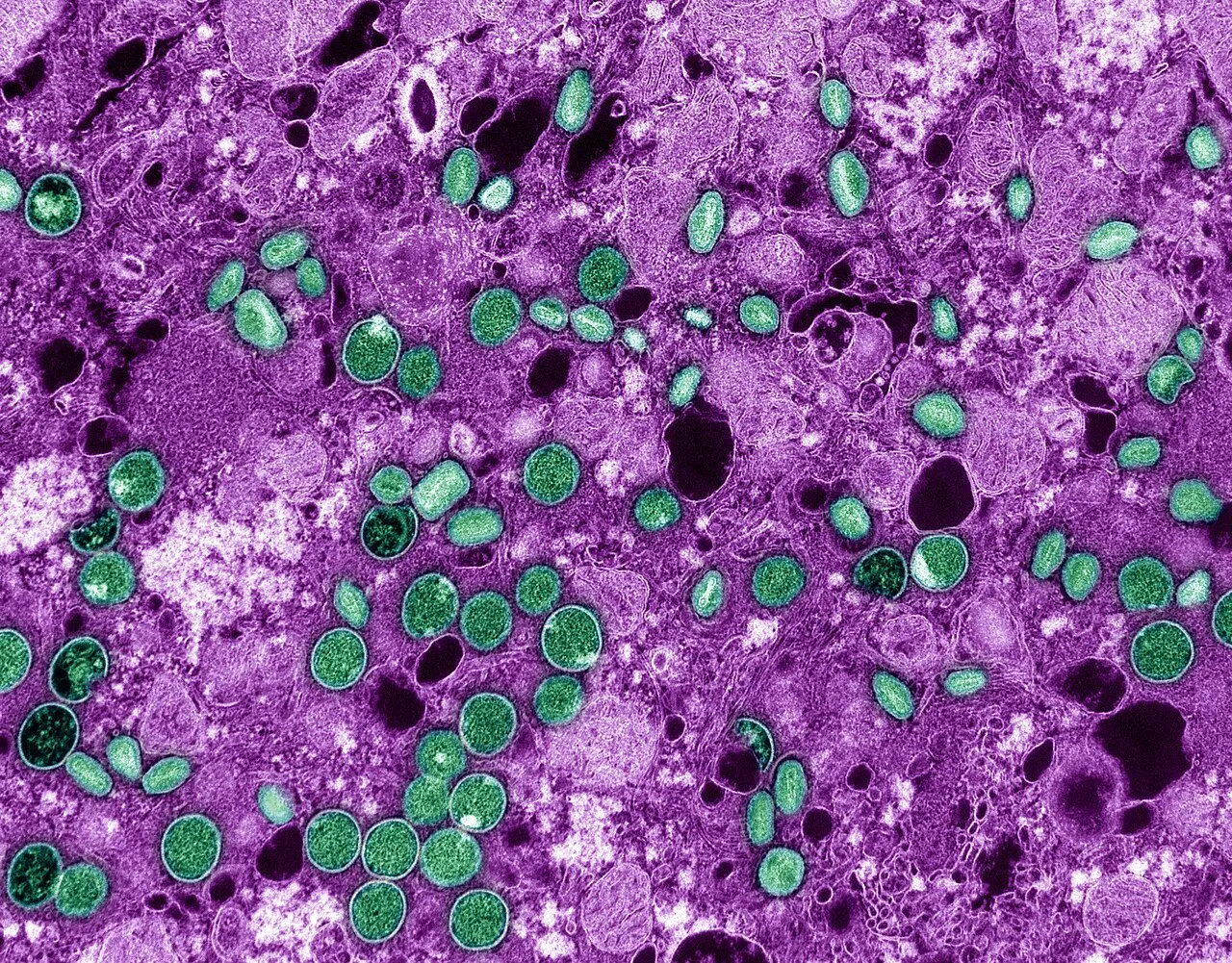
The Secretaria de Estado de Saúde do Rio de Janeiro (Rio de Janeiro State Health Secretariat) has confirmed the first mpox death recorded in Brazil in 2026. The patient lived in the city of Rio de Janeiro, was between 40 and 49 years old and had an illness that weakens the immune system. The secretariat said it would not release any further details that could identify him.
The confirmation came on Friday, 13 November, in the same bulletin in which the state updated its figures for the year — figures that help explain why the death is happening now rather than in August.
The Rio outbreak changed pace in September
Rio de Janeiro has recorded 382 laboratory-confirmed cases over the course of 2026, according to the state secretariat. How those cases fall across the calendar is the bulletin's most telling number: 124 were diagnosed between 1 January and 12 September, and the other 258 came from 13 September onwards. Two-thirds of the year's confirmations, in other words, are concentrated in the final quarter.
The share of notifications that end up confirmed in a laboratory also rose between the two periods, from 23.6% to 49.5% — a sign that the disease really is circulating among suspected cases, not simply that more people sought care.
At least 55 patients required hospitalisation. The average age of those infected is 33.8, and the state capital accounts for 71.2% of the records.
Nationwide, more than half the cases date from October and November
The monitoring dashboard run by the Ministério da Saúde (Ministry of Health) counted 1,023 confirmed cases in Brazil through 12 November, along with 46 probable cases and 581 suspected ones under investigation. Since the disease became notifiable in the country, in 2022, there have been 15,455 cases and 19 deaths.
The 2026 curve is recent: 293 confirmations in October and 227 in the first twelve days of November, together slightly more than half of everything the year has registered. Six states account for roughly 93% of cases — Rio de Janeiro (390), São Paulo (388), Ceará (61), Minas Gerais (45), the Distrito Federal (41) and Santa Catarina (24). Rio and São Paulo alone make up about three-quarters of the total.
The small gap between the 382 cases reported by the Rio secretariat and the 390 on the federal dashboard comes down to cut-off dates and the lag before each notification reaches the national system.
The vaccine depends on a single manufacturer
The Ministry of Health announced on 8 November that it had bought 25,000 doses of the mpox vaccine, with delivery expected within three weeks. The shot is made by a single laboratory, in Denmark, certified by the World Health Organization (WHO) — a bottleneck that keeps supply short worldwide.
Before that purchase, 3,600 doses had already been distributed to nine federative units, among them Rio de Janeiro, Ceará and the Distrito Federal. The Rio secretariat said it had received more than 2,000 doses and passed them on to the state capital. The schedule is two doses 28 days apart, given at specialist immunobiological reference centres rather than at ordinary primary care units.
There is no mass vaccination campaign. The WHO does not recommend one, and the Ministry of Health is reserving doses for the groups at highest risk of severe disease: people living with HIV/Aids, particularly those with CD4 T-cell counts below 200 cells/mm³, users of HIV pre-exposure prophylaxis, laboratory staff who handle the virus, and medium- or high-risk contacts of suspected or confirmed cases, after assessment by health surveillance teams.
A federal technical note issued the week before the purchase advised states and municipalities to switch to intradermal administration, already used in Europe, which can stretch a single vial to vaccinate up to five times as many people in specific groups.
What to do about a suspicious lesion
Transmission happens mainly through direct contact with skin lesions, bodily fluids and contaminated objects, and also through close, prolonged contact with respiratory secretions. Symptoms include lesions on the skin and mucous membranes, fever, headache and body aches. Most cases are mild or moderate, and treatment focuses on easing symptoms and preventing complications.
Lesions appear most often on the face, the palms and the soles of the feet, but can show up anywhere on the body, including the genitals. Health authorities advise anyone with suspicious lesions in the genital, anal or oral areas to seek care even without fever or swollen lymph nodes, and to avoid direct physical contact with people showing similar signs.
So far the state secretariat is treating the rise in cases as a situation under monitoring rather than a new health emergency.
With information from the Rio de Janeiro State Health Secretariat, the Ministry of Health's monitoring dashboard, Agência Brasil and Diário do Centro do Mundo.