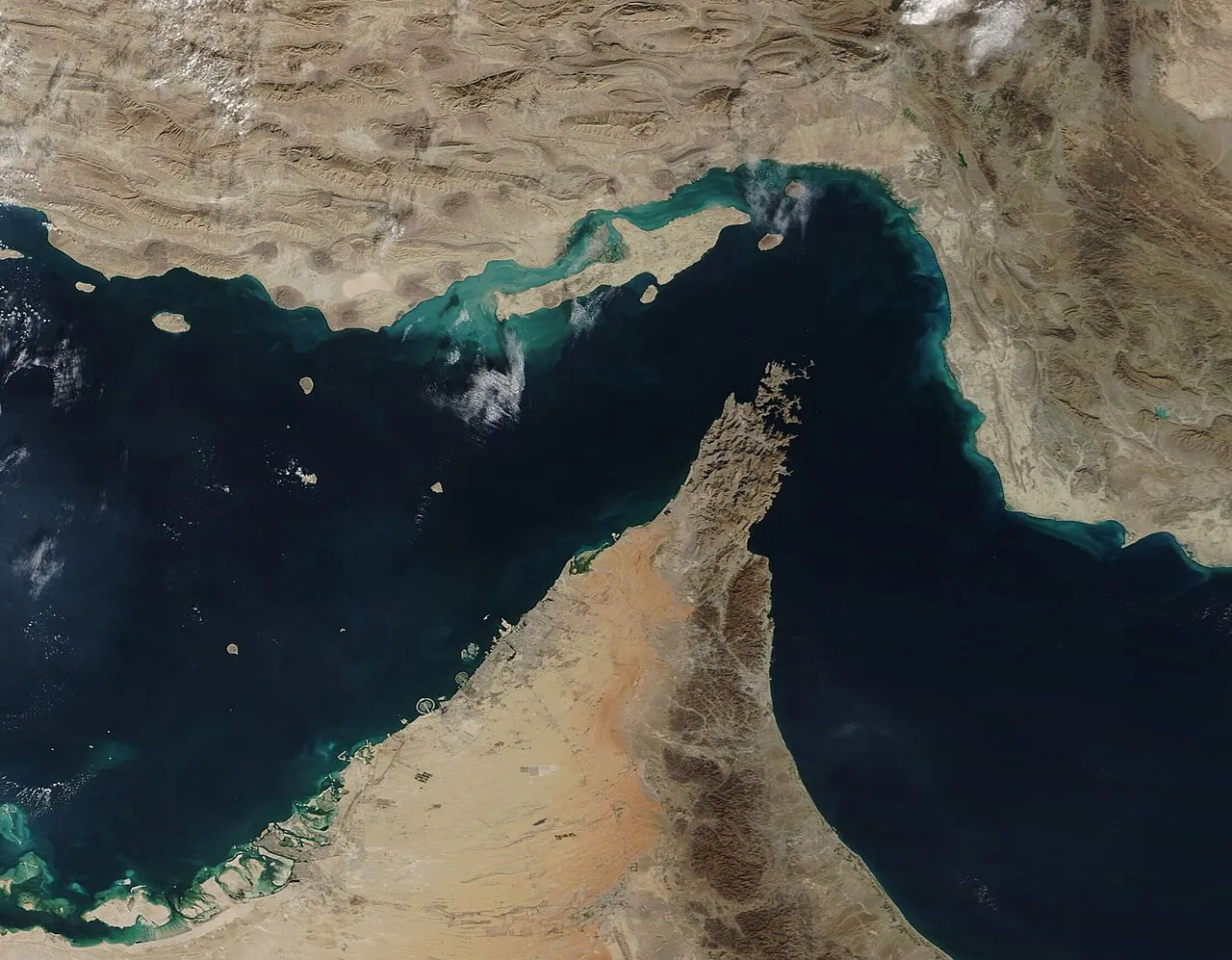
Secretary of State Marco Rubio said on Saturday, October 31, 2026, that President Donald Trump has not yet decided whether to order new military strikes against Iran, even as Iranian negotiators met Qatari mediators in Doha over a proposal that would reopen the Strait of Hormuz within two days.
Speaking at the Group of 20 meeting in Atlanta, Rubio said the United States "can achieve military objectives if we seek to" but would be open to a diplomatic settlement. Asked whether the talks had broken down, he said: "Talks have actually never stopped." He added that he knew of no timetable for the Qatar-led channel.
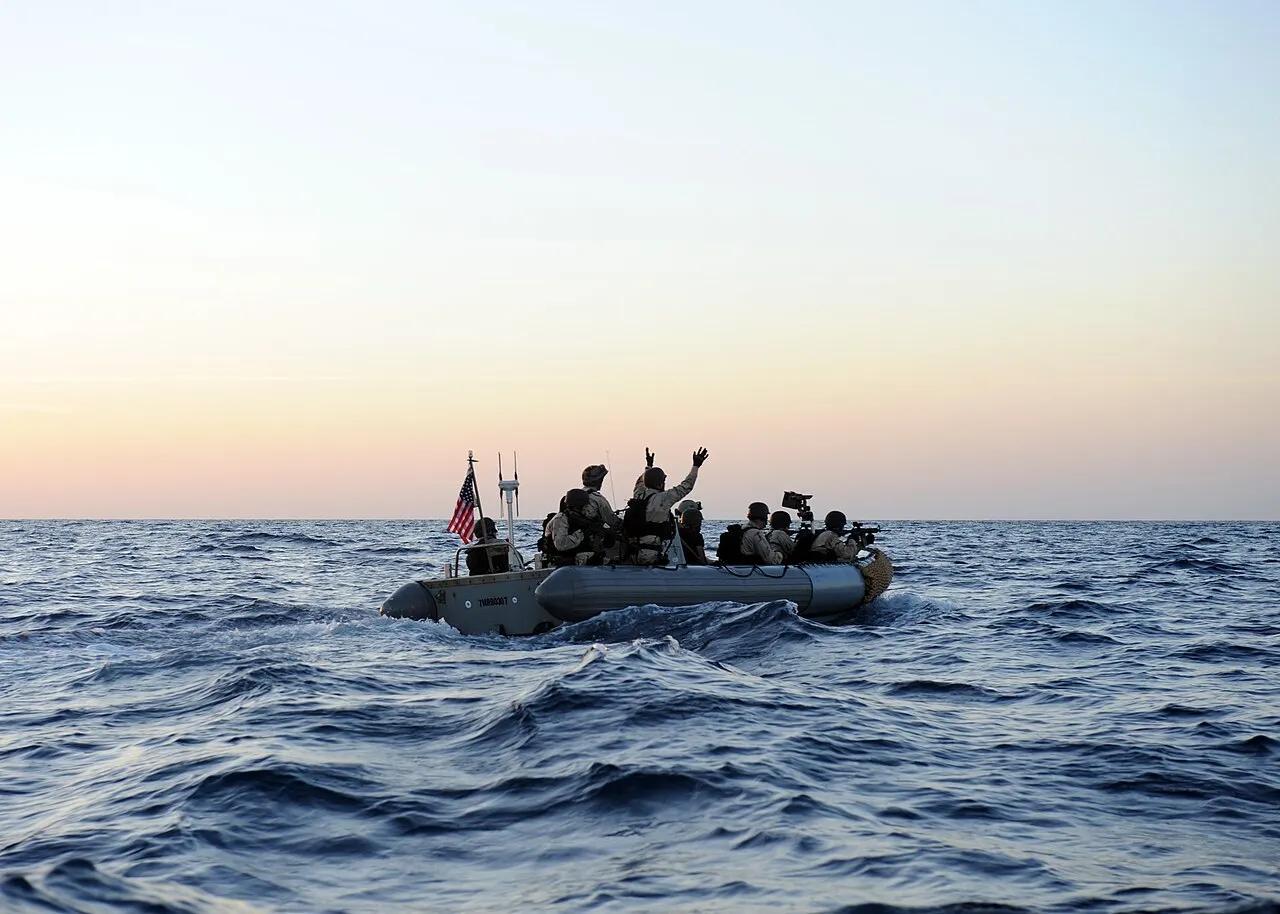
The eight-month-old conflict, which the Pentagon calls Operation Epic Fury and which began with American strikes on February 28, has left the world's most important oil chokepoint only partly usable and a US naval blockade in place off Iranian ports.
What Tehran is offering
Iranian Foreign Minister Abbas Araghchi said a plan discussed with Qatari mediators would reopen the Strait of Hormuz within two days and restart direct talks with Washington — but only if the United States meets a set of conditions. According to Araghchi, those are: lifting the sanctions imposed in recent months; reinstating the oil waivers granted in June; reducing the American military presence in the region; recognizing the new shipping lanes designated by Iran and Oman; and ending the fighting on all fronts, including Israeli attacks in Lebanon.
An Iranian delegation that included one of Araghchi's aides traveled to Doha on Saturday, after Qatari officials visited Tehran earlier in the week. Pakistan has also acted as a mediator; its army chief, Field Marshal Asim Munir, has made several trips to Tehran. Doha and Islamabad brokered the memorandum of understanding signed in June, which collapsed in August.
Mohsen Rezaei, secretary of Iran's Supreme National Security Council, said Vice President JD Vance had sent him a letter during the week and that its tone had "completely changed" from earlier American correspondence. Rezaei claimed Washington had signaled it was ready to accept Iran's conditions. The United States has not confirmed that.
Trump keeps the military option on the table
Trump said on Saturday that the negotiations were "going fine" but described Tehran as "not very reliable." He said American forces had damaged Iran's navy, air force and air defenses, that only "1 or 2 sites" remained on the target list — naming the suspected underground nuclear complex known as Pickaxe Mountain — and that the remaining objectives could be met "very quickly."
"We're not in that much of a hurry," he said. On Friday he had predicted the war would end "very soon," repeating that "Iran cannot have a nuclear weapon." He has suggested more than once that any new round of strikes could come after the November 3 midterm elections, the only firm date now attached to the conflict.
Iran's supreme leader, Mojtaba Khamenei, has ordered the armed forces to prepare an immediate response to any new attack, without geographic limits, and to widen the list of American and Israeli targets. Israeli Prime Minister Benjamin Netanyahu, who lost his parliamentary majority in last week's election and remains caretaker prime minister, has called the moment a "historic, one-time opportunity" to remove the Iranian threat.
The strait, by the numbers
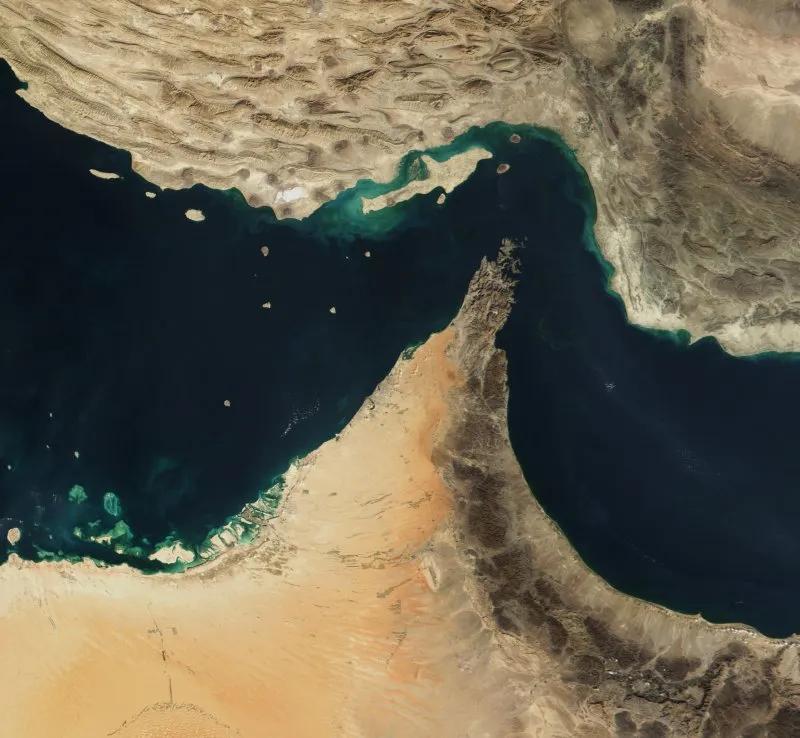
US Central Command said on Saturday that its forces have redirected 144 commercial vessels since the blockade began. Treasury Secretary Scott Bessent said traffic through the strait is close to prewar levels once Iranian oil is excluded.
The cost to American forces has been considerable. An Associated Press analysis found that through August more than 115 Iranian or allied drone and missile strikes had damaged structures at 26 sites used by US forces; Ali Al Salem Air Base in Kuwait was hit at least 30 times. Sean Parnell, the Pentagon's chief spokesman, said American troops in the region are "well protected."
About a fifth of the world's seaborne oil normally moves through the strait, which is roughly 21 miles wide at its narrowest point — which is why a two-day reopening is being negotiated as seriously as a ceasefire.
Reporting from Al Jazeera and Fox News, which cited the Associated Press, the Wall Street Journal and US Central Command.