Somali pirates seized the Iranian fishing vessel Azini on Thursday, between the coastal towns of Bandar Bayla and Hafun in north-eastern Somalia, with 23 people aboard — 21 Iranian crew members and two Somali security guards. An officer of the Puntland Maritime Police Force said twelve pirates took part in the attack. The whereabouts and condition of those on board were not known.
In an alert issued on Saturday, the Maritime Security Centre Indian Ocean (MSCIO) said the boat was approaching a commercial shipping lane and warned that it could become a "floating base" for further attacks — a mother ship capable of carrying pirates hundreds of kilometres from the coast and sustaining assaults on cargo ships and tankers. The centre urged vessels in the area to stay vigilant. Operation Atalanta, the European Union's naval force in the Indian Ocean, is investigating.
Why a fishing boat becomes a weapon
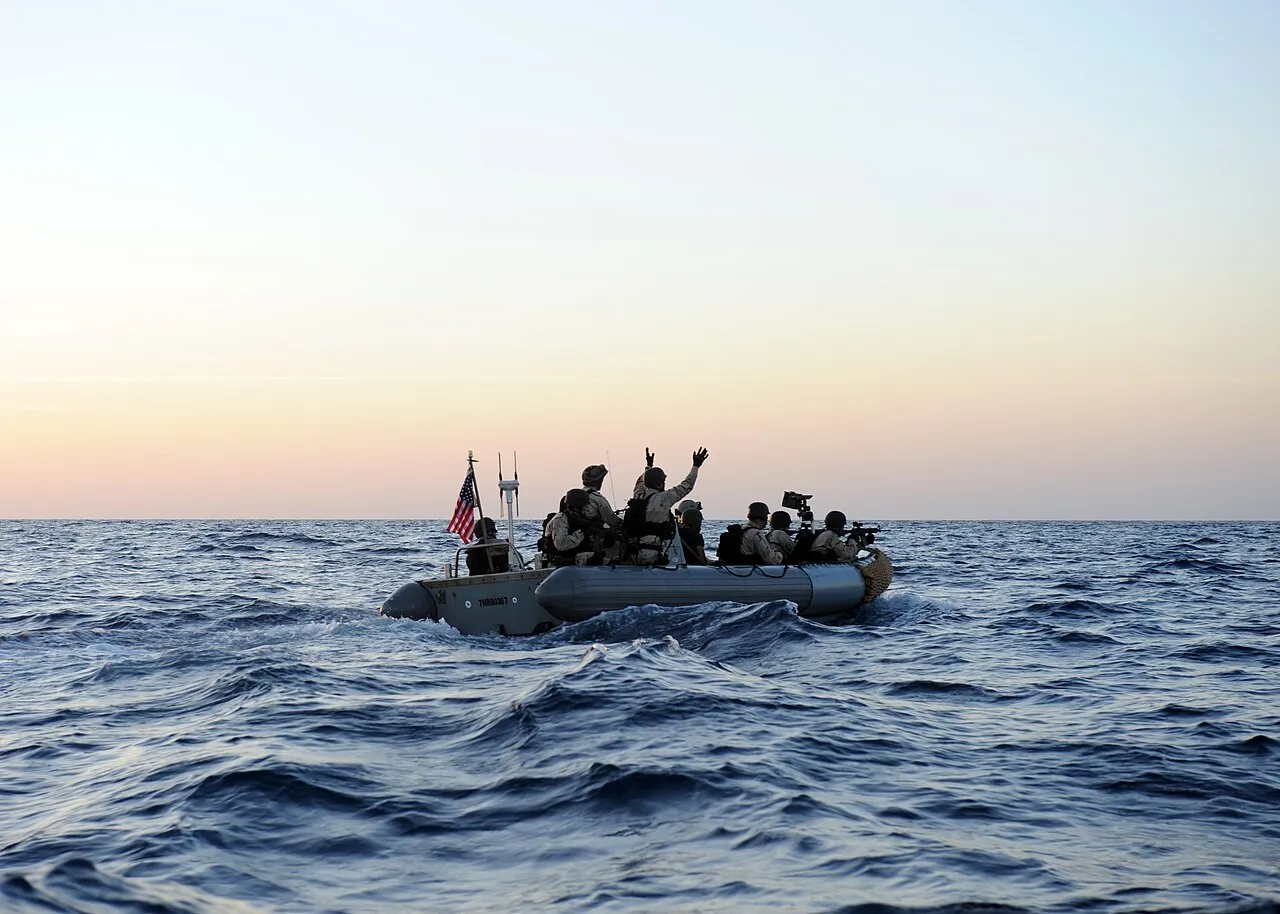
The tactic is not new, and it explains why the hijacking of a fishing boat worries authorities more than the vessel's size would suggest. Without the range to operate far from shore in small skiffs, pirates use captured ships as platforms: they extend their reach, provide cover — because a fishing boat on a normal course draws no suspicion — and turn the crew into a shield against military boardings.
The return of a problem that looked solved
A decade of international naval patrols and tighter shipboard security had sharply reduced Somali piracy. Since April, however, pirates have hijacked six commercial vessels, some of them far from the Somali coast. Among them is the oil products tanker Sibu 1, taken about 136 nautical miles east of Al-Mukalla, Yemen.
The gravest case was that of the tanker MT Honour 25, held by pirates since April: in September, five crew members were killed before security forces recovered the ship, and 16 suspects were detained.
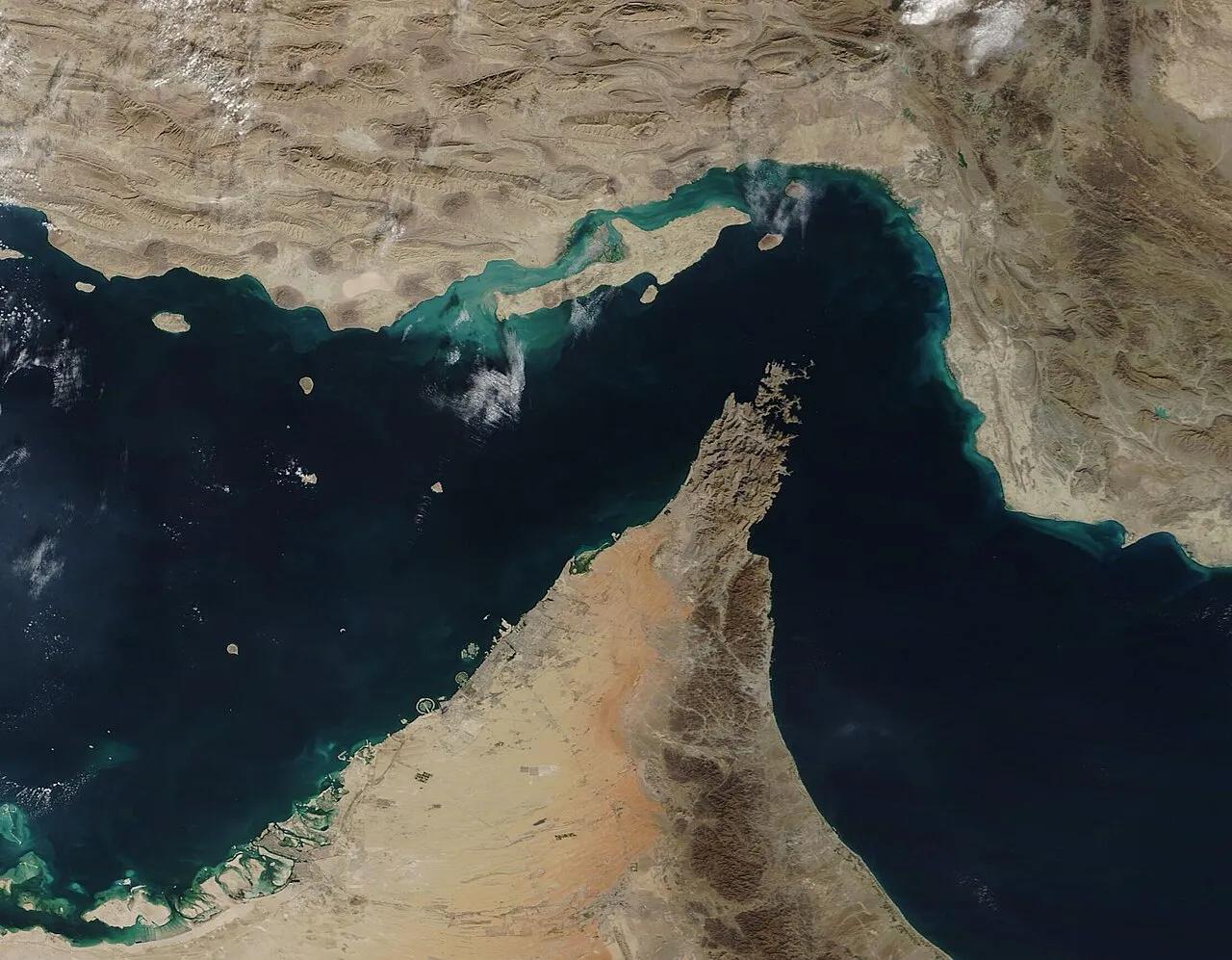
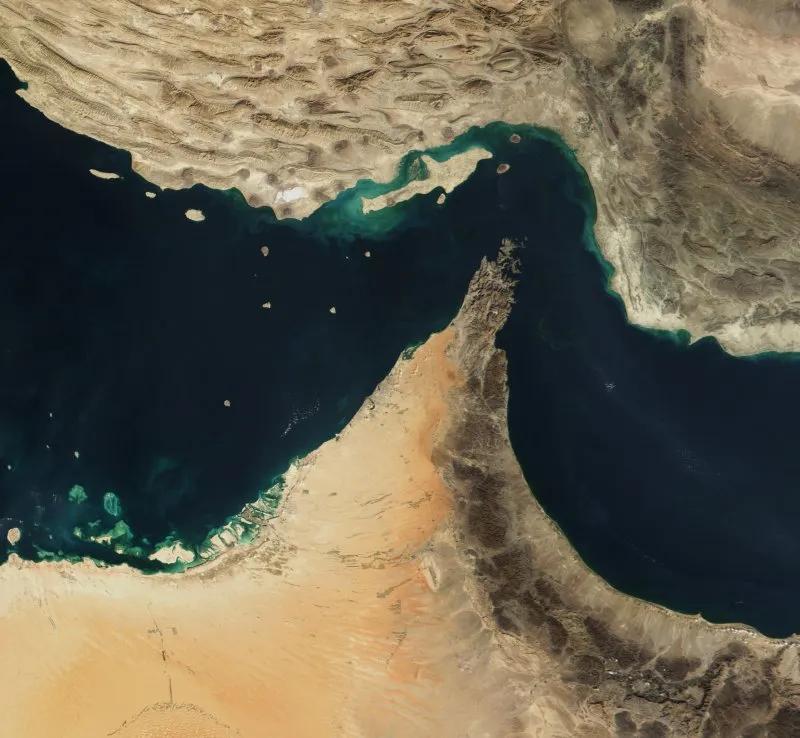
The resurgence coincides with a period of heavy disruption to shipping in the region. Attacks in the Strait of Hormuz and Houthi threats around the Bab al-Mandab have lengthened routes and pushed up tanker freight costs, driving vessels into less-patrolled waters — the kind of shift in which piracy tends to find room.
With information from Arab News and the Morning Star.