Russia and Ukraine reached an agreement on Wednesday (11) on a new large-scale exchange of prisoners of war, closing two days of talks in Abu Dhabi mediated by the United States. It was the only concrete outcome announced by either side — and the delegations left the Emirati capital with no understanding at all on the point that has blocked the negotiation for almost five years: territory.
Wednesday's session, the second and last, ran a little under two hours, according to The Moscow Times. Tuesday's first meeting had stretched to about four hours.
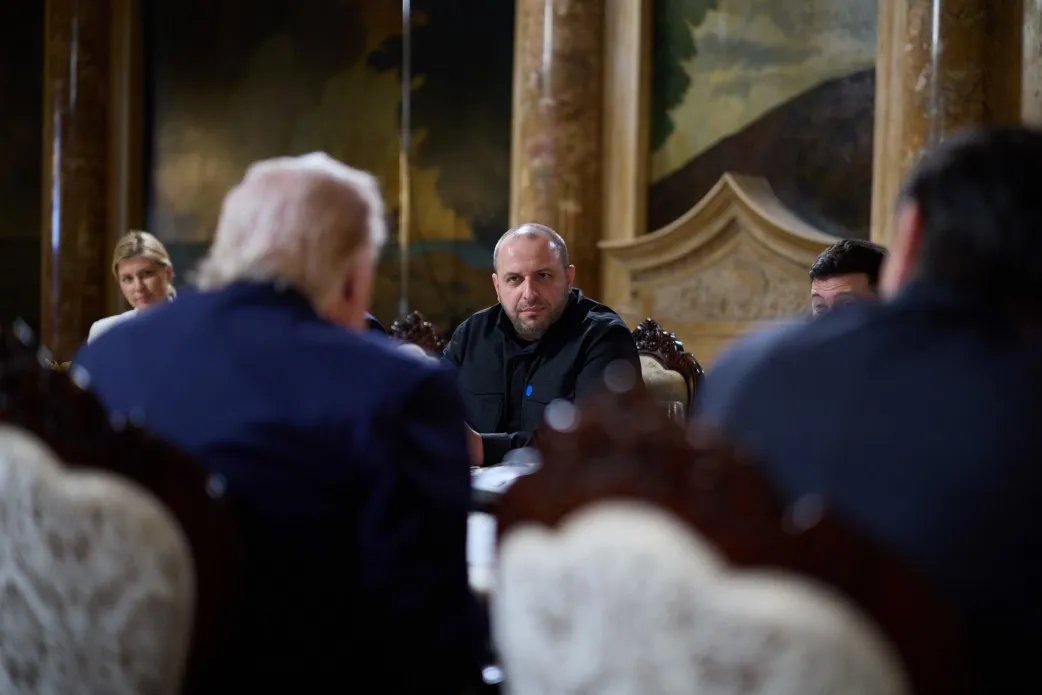
Ukraine's delegation was headed by Rustem Umerov. Russia's was led by Vladimir Medinsky, a presidential aide. Mediation fell to Steve Witkoff, special envoy of US President Donald Trump, and to Jared Kushner, Trump's son-in-law.
What was agreed
"The main result is that we managed to reach an agreement on a large-scale prisoner exchange," Umerov said, adding that the parties are now "working to agree on the details and practical implementation." Medinsky confirmed it: "We reached a fundamental agreement on another large-scale exchange. Details will be announced soon."
Neither man said how many people are involved or when the operation will take place. Russian state agency TASS, citing Russian general Alexander Zorin, said it will be "the largest ever," with more than a thousand prisoners on each side — a figure from a Russian source, not confirmed by the Ukrainian delegation. On Tuesday, Zelensky had said the formats under discussion were a thousand for a thousand or 1,500 for 1,500.
For a sense of scale: the most recent swap, on 23 October this year, returned 270 people to Ukraine and sent the same number to Russia. A thousand-for-a-thousand operation has happened once, in May 2025, and took three days to complete.
Kushner called the deal "the biggest humanitarian release of prisoners" and said, according to the Associated Press, that the numbers would be finalised later. The talks also covered the return of Ukrainian civilians held in Russian custody and children taken from Ukraine, as well as post-war security guarantees.
What was not agreed
Medinsky was explicit about the limits of the meeting: "In some places we reached an understanding, in other places we did not." On territory, he repeated Moscow's position: "every inch of our land will be returned to Russia. One way or another."
Kyiv will not give up the areas it still controls, and Zelensky maintains that the territorial question can only be settled in a direct meeting with Putin — who in turn questions the Ukrainian president's legitimacy. Russia's other demands also remain open, among them demilitarisation and political change in Kyiv. Kushner noted that the deep distrust between the two countries remains the biggest obstacle.
The European presence was another point of friction. Representatives of European governments, the European Union and NATO were in Abu Dhabi, but in separate meetings with the Ukrainian delegation. Medinsky dismissed the format: "We don't understand what status they have here (...) we don't understand where we can agree with them on anything." Washington wants a European seat at the table; Moscow, so far, refuses.
Next stop: Moscow, then Ireland
Kushner said that he and Witkoff fly to Moscow on Thursday (12) to brief Putin personally on what came out of Abu Dhabi. The two are then expected to meet Zelensky in Ireland. The Ukrainian president, who did not take part in the talks, called the first round "constructive and quite substantive."
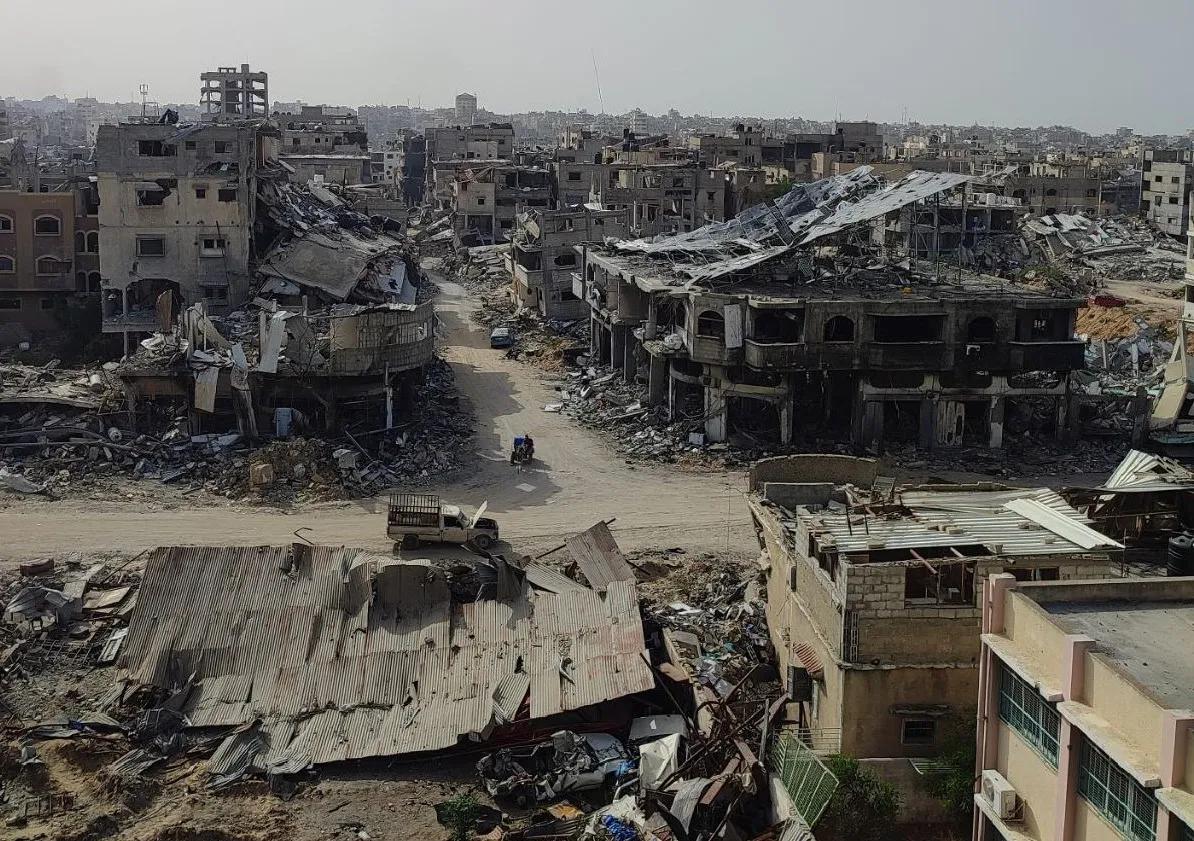
While the table was working, the war went on: little territory has changed hands along the front line this year, and the two countries continue to strike each other with long-range missiles and drones. US Secretary of State Marco Rubio described the meeting as "very productive," but warned that a breakthrough capable of ending the conflict will take time.
With information from the Kyiv Independent, the Associated Press and The Moscow Times.