South Korea has demanded an explanation and an apology from Ukraine over the disclosure of an episode the two governments had agreed to keep quiet: the transfer to Seoul of two North Korean soldiers captured while fighting for Russia.
The disclosure came from President Volodymyr Zelenskyy at the 81st United Nations General Assembly in New York last week. "These guys are not easy to capture alive," he said, recounting that one of the soldiers tried to kill himself when he realised he was being taken and "was shocked that fate did not let him die".
The first two taken alive
The soldiers were captured in January 2025 in Russia's Kursk region, and are the first North Korean troops taken alive since Pyongyang began sending forces to fight alongside Russia.
The scale of the North Korean deployment is considerable: between 14,000 and 15,000 soldiers have been sent to Russia since 2024, and more than 6,000 have been killed in combat.
What Seoul says
The South Korean presidency says the non-disclosure agreement existed to protect the two men. Seong Ghi-hong, senior presidential secretary for public relations, noted that going public could trigger domestic criticism in Kyiv that Ukraine had given up the chance to use the prisoners in an exchange. He indicated the government is weighing "additional measures".
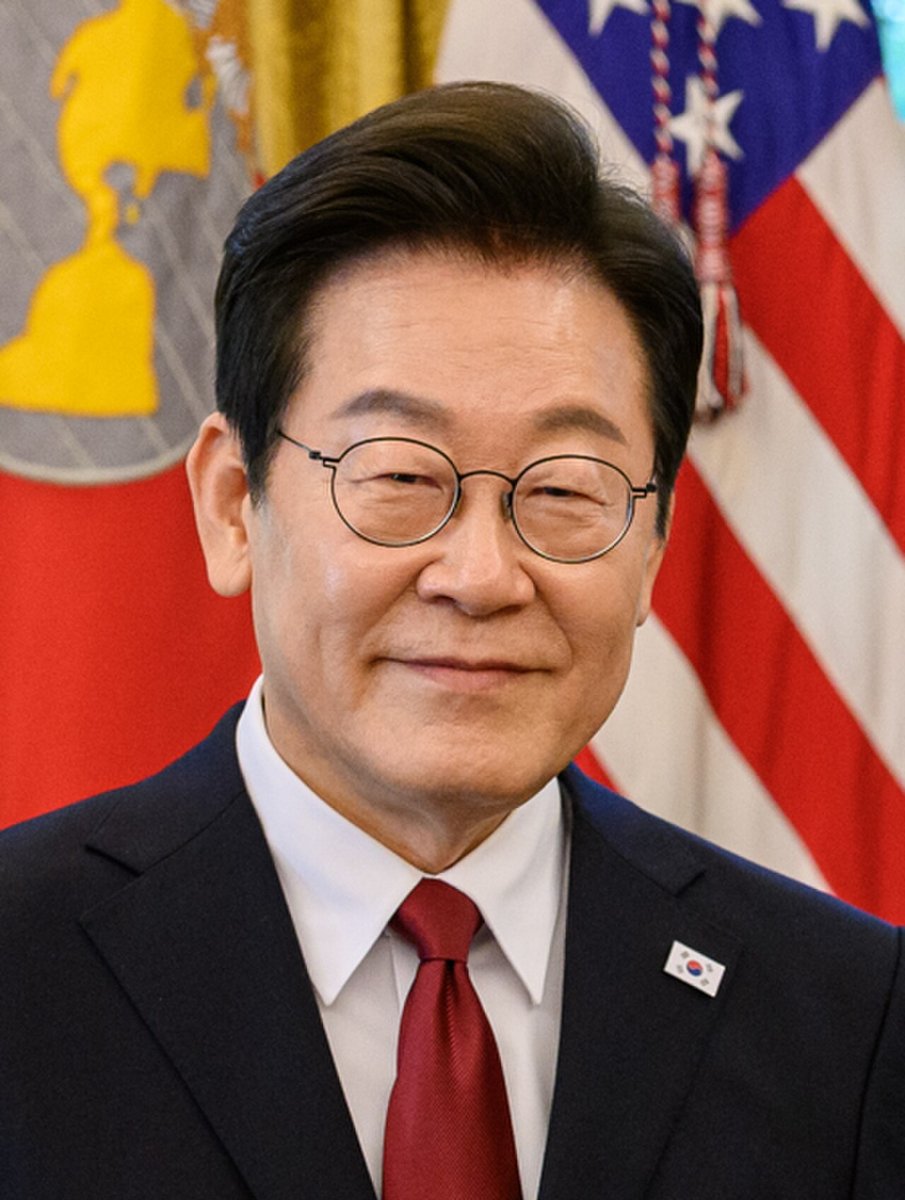
President Lee Jae-myung was blunt: "I do not know what circumstances led the Ukrainian side to disclose the matter despite the confidentiality agreement, but it is deeply regrettable." He added: "The issue of bringing North Korean prisoners to South Korea is a highly sensitive one."
What Kyiv says
Ukraine's presidency rejects the accusation that it broke a commitment. Dmytro Lytvyn, an aide to Zelenskyy, said Ukraine is "an open country" and that it would be unusual to handle such transfers in secret. "We reported only the fact itself, that they were sent to the Republic of Korea," he said.
The friction puts two governments that had been growing closer on opposite sides: Seoul is one of the indirect suppliers of ammunition for the European effort to support Kyiv, and for South Korea the presence of North Korean troops at the front is a domestic security problem before it is a foreign policy one.
With information from Al Jazeera and ABC News (Australia).