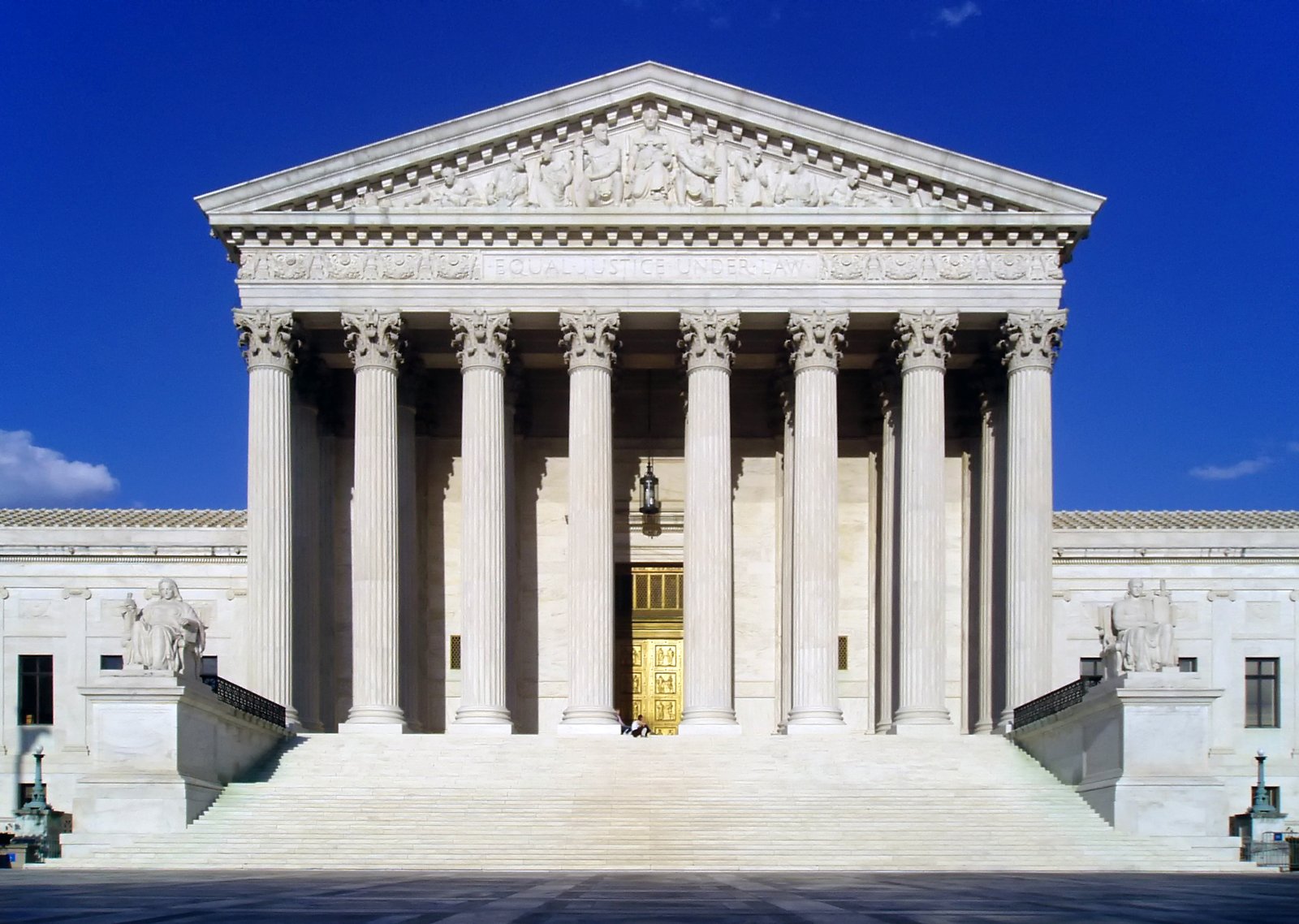
The Supreme Court has refused to let the Trump administration put new U.S. Postal Service restrictions on mail ballots into effect before November's midterm elections.
In an unsigned order issued Monday, September 14, 2026, the court left in place a federal judge's injunction blocking the rules, saying the government "is unlikely to succeed on the merits" of its appeal. Justices Samuel Alito and Clarence Thomas dissented.
What the rules would have done
The restrictions stem from an executive order President Donald Trump signed in March directing the Postal Service to tighten how it handles election mail. Under the plan, according to NPR and Votebeat:
- states would have had to hand the Postal Service lists of registered voters' names and addresses, and ballots addressed to people not on those lists could be refused;
- ballot envelopes would have needed specific design standards, including unique barcodes;
- an entire mailing could be rejected if a single ballot failed the checks.
The president argued the measures would curb illegal voting by non-citizens. Courts that reviewed the case were not presented with evidence of fraud in mail voting, NPR reported.
Kavanaugh's middle path
Justice Brett Kavanaugh wrote separately. He suggested the rule may fall within the Postal Service's legal authority, but said imposing it this close to the election, without giving states enough time to prepare, would be arbitrary.
That reasoning matters for what comes next: the order settles the 2026 election, not the underlying question. The legal fight over whether the Postal Service can enforce the requirements in future elections is expected to continue.
What it means for voters
For now, mail voting in the midterms will work as it did in previous elections. A federal judge in Boston had found that the Postal Service lacks authority to set mail-voting procedures, and that injunction stays in force.
"The Postal Service exists to deliver Americans' mail — not to rewrite election rules," Celina Stewart, CEO of the League of Women Voters, told NPR.
Reporting from NPR and Votebeat.