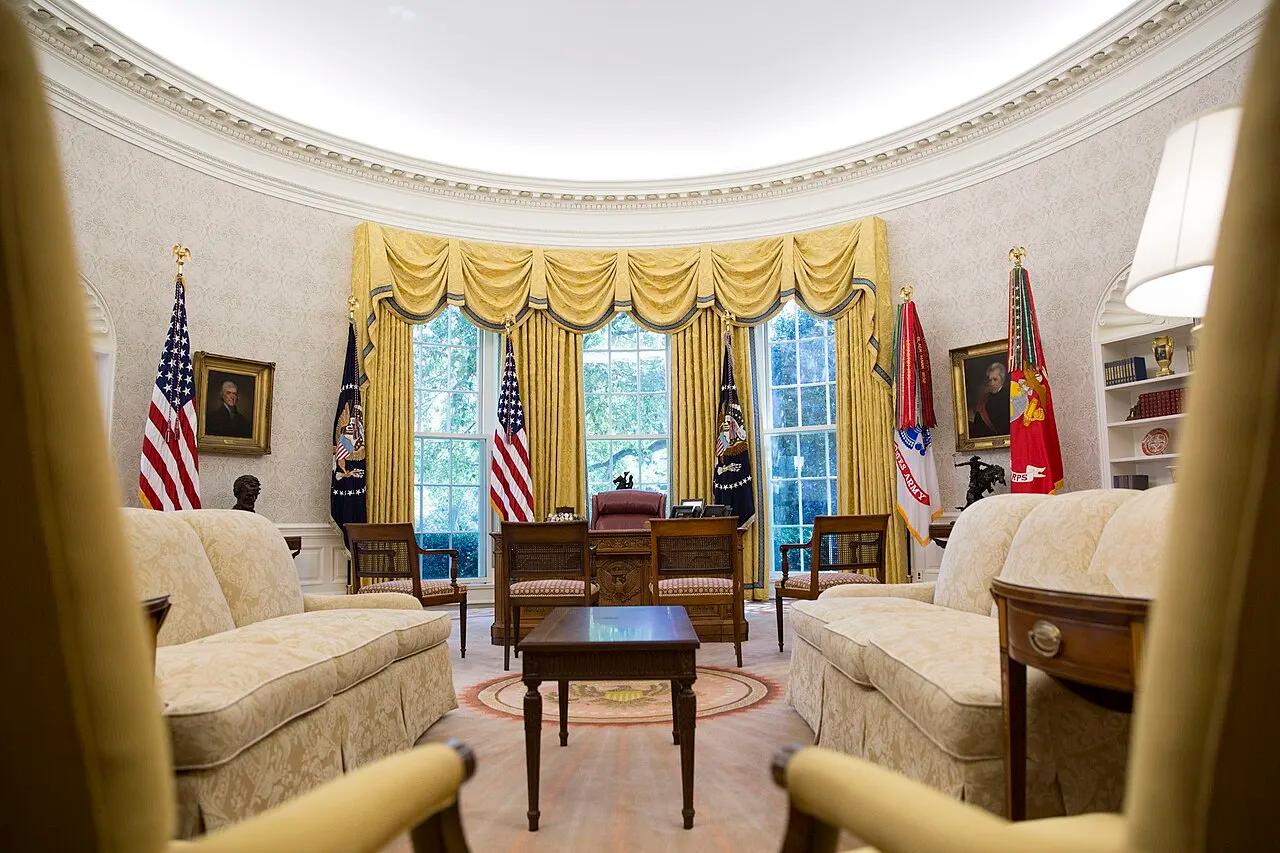
President Donald Trump signed a proclamation titled "The American Declaration of Freedom in Space" on November 3, 2026 — the day Americans voted in the midterm elections — and it appeared in the Federal Register on November 6. The text declares the solar system and all of outer space beyond Earth open to exploration, development, commercial use and permanent human presence by American citizens, consistent with United States law and the country's international obligations.
Its central phrase is that "the solar system and all of outer space beyond Earth are the province of all humans." Trump also writes that it is America's destiny to push its frontiers "beyond Earth to the farthest depths of space," and that the nation leading in space will shape humanity's future.
What it does, and what it does not
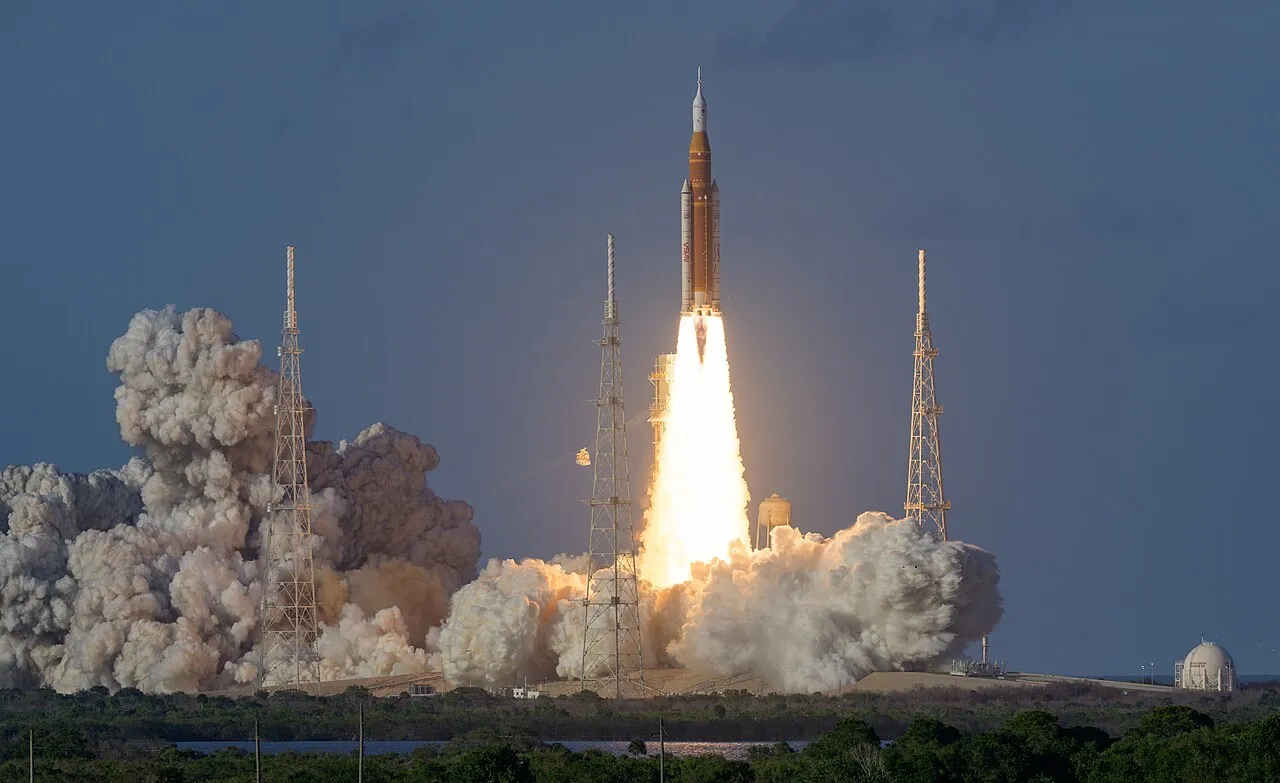
The proclamation cites Apollo 11, the Mars rovers and the Artemis II mission, which launched from Kennedy Space Center on April 1, 2026 and carried four astronauts around the Moon and back over about ten days. It sets out a return of astronauts to the lunar surface by 2028, a permanent presence there, and eventually a crewed mission to Mars.
What it does not contain is machinery. There is no appropriation, no new regulation, no procurement program and no instruction to any agency. The document reaffirms existing executive orders and space directives rather than adding to them. That distinction matters for the 2028 date: a proclamation states an aspiration, while the schedule itself depends on NASA's budget, which Congress sets, and on the Artemis III flight, now planned for the northern summer of 2027.
NASA issued no release of its own. A spokesperson told SpacePolicyOnline that the agency is committed to turning the president's vision into reality, pointing to Artemis III in 2027, a landing on the lunar surface in 2028 and a first Moon base as the steps before Mars.
The treaty question
The proclamation stops short of claiming sovereignty over the Moon, Mars or any other body — which matters, because Article II of the 1967 Outer Space Treaty forbids national appropriation of celestial bodies, and the United States is a party to it.
Scott Pace, director of the Space Policy Institute at George Washington University and a former executive secretary of the National Space Council, said the "province of all humans" language is fully consistent with that treaty. He also said the phrase does not turn space into a global commons in the legal sense, and that the State Department has held the same position across several administrations.
That reading leaves the declaration where its own text puts it: a statement of ambition and of who intends to get there first, inside rules the United States has not moved to change.
Reporting from the White House, the Federal Register, SpacePolicyOnline and Space & Defense.