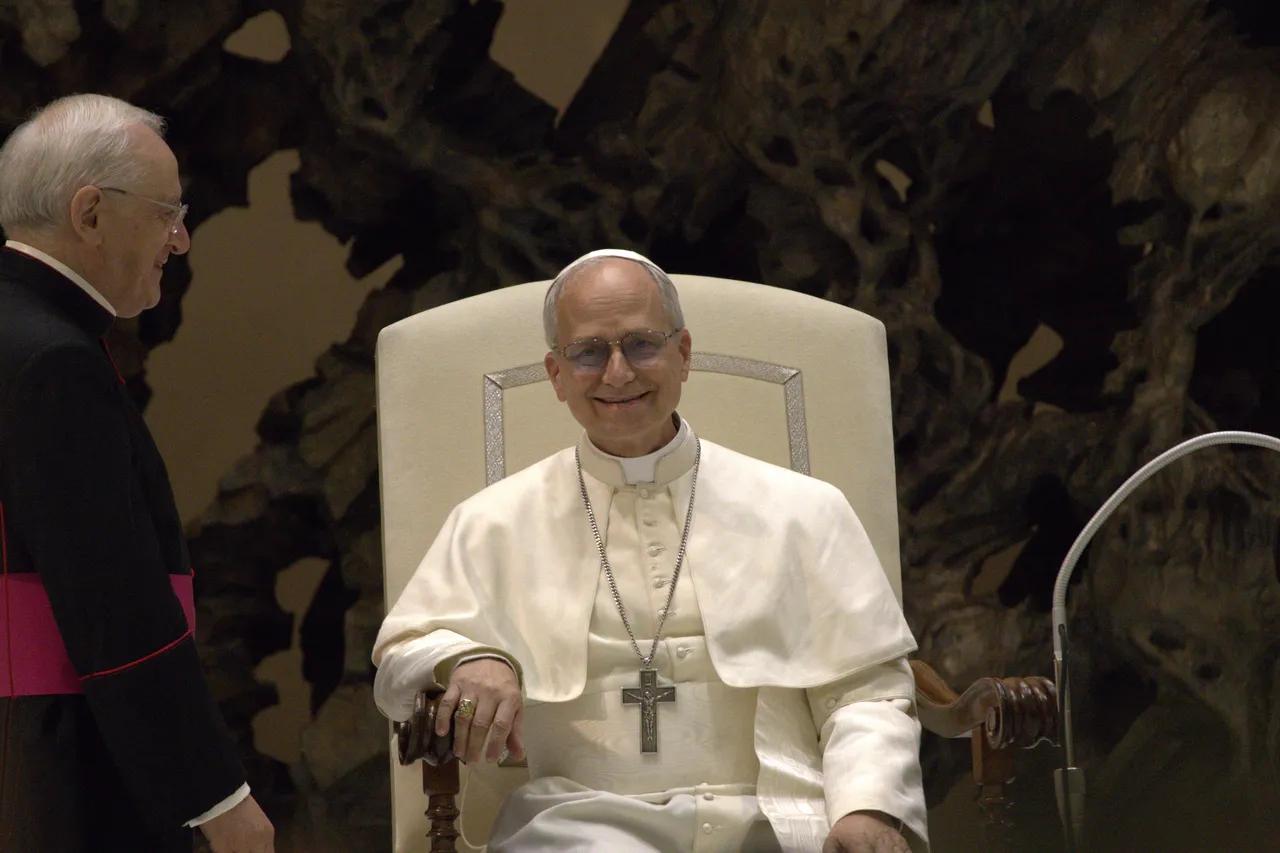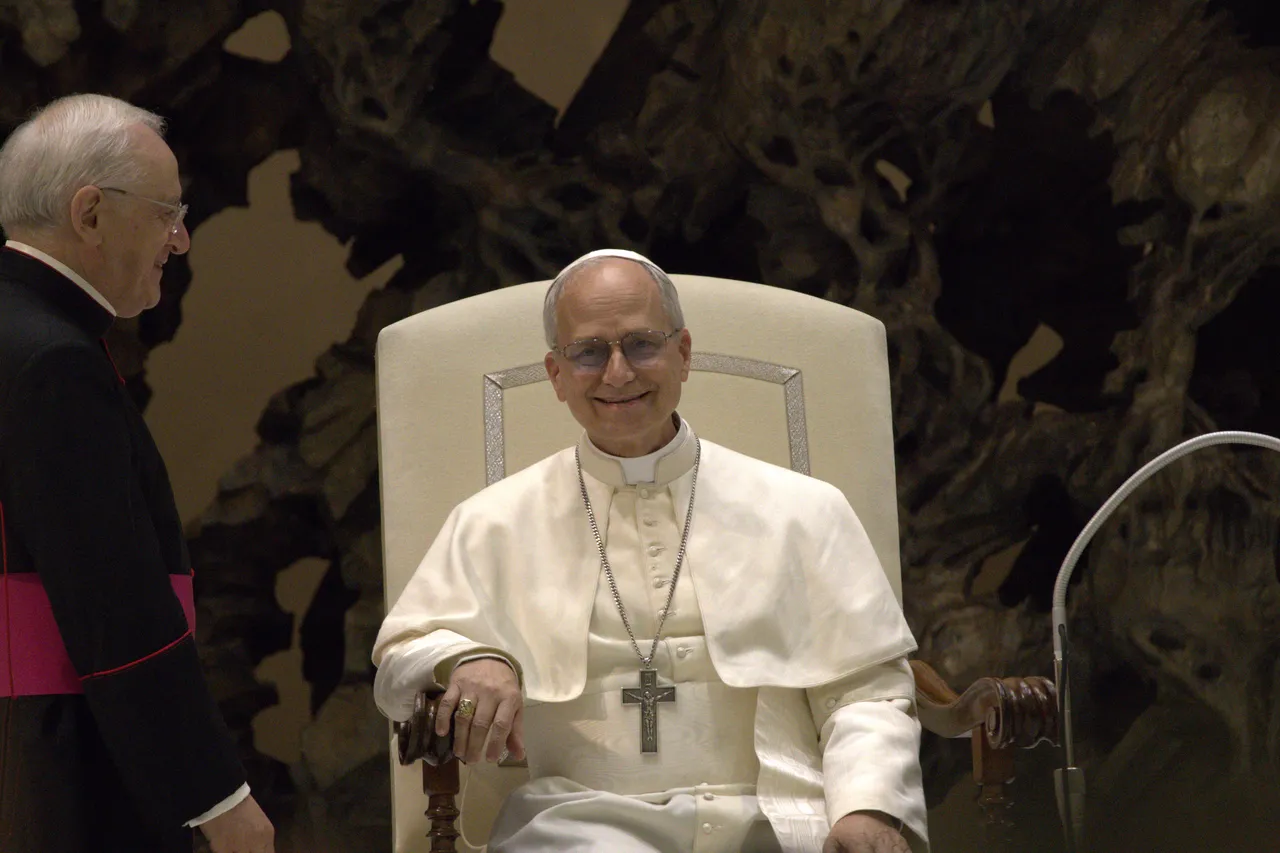
Pope Leo XIV celebrated the first Mass of his apostolic trip to South America at Parque París Londres, on the outskirts of Paysandú, Uruguay's second city. It took place on the morning of Saturday, November 7, 2026, with some 40,000 people on the grounds, according to the estimate published by the Argentine newspaper La Nación.
The day started early. The 71-year-old pontiff flew out of Carrasco International Airport shortly after 8 a.m. on an Embraer aircraft of the Fuerza Aérea Uruguaya (Uruguayan Air Force) and reached Paysandú a little after 9 a.m. The weather was cloudy, cold and windy; Leo XIV arrived at the park in the popemobile, wearing a white overcoat, and was greeted with applause.
A bridge, a palm grove and a mate
The homily was built around three images from the region. The first was the bridge, a reference to the Puente Internacional General Artigas (General Artigas international bridge), which links Paysandú to Colón, in the Argentine province of Entre Ríos, across the Uruguay River. "Be bridges, so that many may encounter Jesus," the pope asked, adding: "How important it is to be a builder of bridges!" From there he also drew a warning about the need for firm foundations so as not to be swept away by "strange doctrines".
The second image was the palm grove, whose deep roots and clustered growth he used to describe a Church that is rooted and united, sustained by the Word, the sacraments, prayer and charity. The third was mate: "Mate is a sign of familiarity, of friendship and of encounter," he said, linking it to shared silence and personal prayer.
On the formation of the faithful he was explicit: "We need to be well prepared to give reasons for our faith." He urged continued formation of children and young people, support for families and the elderly, and works of charity, and said the faith must be handed on "to future generations with creative courage".
The Mass of the "gaucho bishop"
The celebration was a votive Mass dedicated to Blessed Jacinto Vera, bishop of Montevideo, whose image stood on the altar and whom the pope called the "obispo gaucho" (gaucho bishop): he recalled that Vera crossed the country on horseback three times to reach the sick. At the end, he entrusted the Uruguayan people to the Virgen de los Treinta y Tres (Virgin of the Thirty-Three), the country's patron saint.
Among those present were many Argentines who crossed the border from Entre Ríos and Santa Fe, along with Paraguayans and Brazilians, some carrying their countries' flags. The return flight to Montevideo was scheduled for 12:45 p.m.
Casavalle, the university and the Centenario
For the afternoon, the official programme called for a meeting on social conditions at the Parroquia Nuestra Señora de Guadalupe, in Montevideo's Casavalle neighbourhood, and another with the education sector at the Universidad Católica del Uruguay (Catholic University of Uruguay). The day was due to close at 7 p.m. with a prayer vigil at the Estadio Centenario.
Leo XIV arrived in Uruguay on Friday, November 6. He is the second pope to visit the country, 38 years after John Paul II. In his first speech, at Plaza Independencia, he called for healthcare access for everyone — "a responsibility that challenges all of society" — about three weeks after undergoing surgery for lung cancer. He also met President Yamandú Orsi and received the key to the city at the Cabildo.
Argentina, from Sunday
The pontiff arrives in Argentina on Sunday, November 8, and stays until Wednesday, November 11, with events in Buenos Aires, in the province of Córdoba and in Luján. After the Argentine leg, the trip continues to Peru.
That stop has already had effects beyond the religious calendar: the government of the City of Buenos Aires imposed security restrictions on public gatherings during the visit, which changed the route of the Pride March held in the capital on Saturday.
With information from Vatican News, La Nación, Infobae and Rosario3.