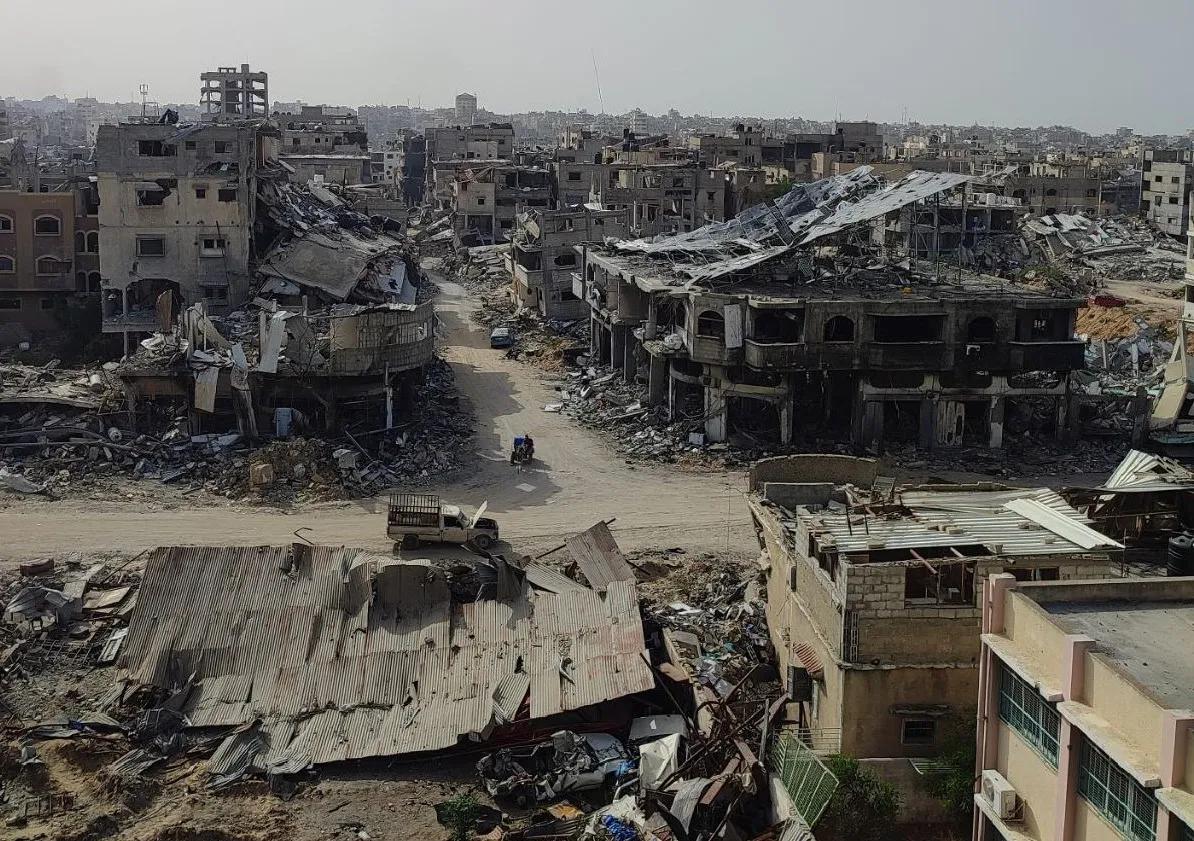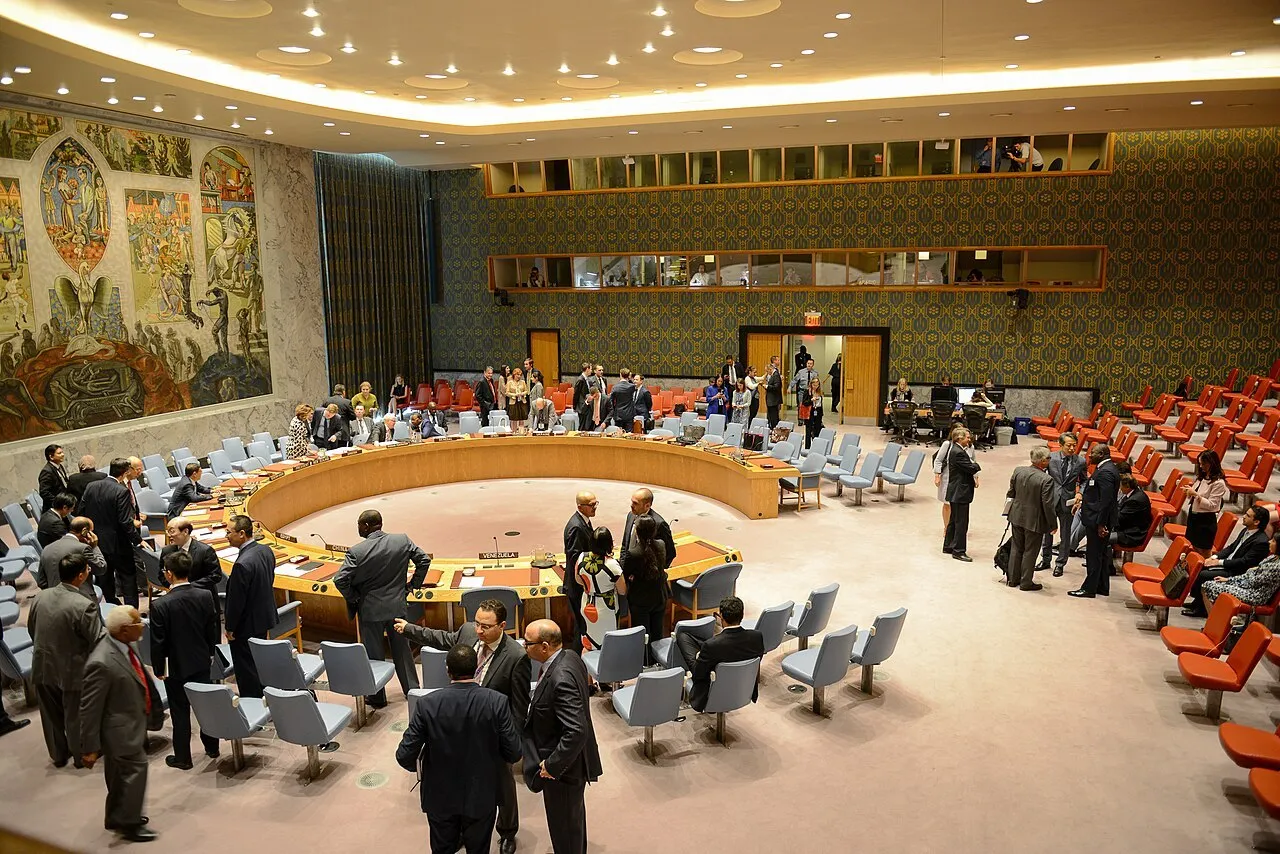
The UN Security Council returned to the Strait of Hormuz on the afternoon of Friday, 13 November, at its 10,271st meeting, convened at Bahrain's request. Two figures sum up what those present heard: as of 11 November, the International Maritime Organization (IMO) had recorded 134 confirmed incidents in the strait and surrounding waters, with 25 seafarers killed, along with others injured or missing.
October was the month with the highest number of attacks and incidents involving commercial shipping since the war began in February.
Traffic has not come back
UN Assistant Secretary-General Mohamed Khaled Khiari, who briefed the Council on the maritime situation, said shipping remains far below pre-conflict levels even as energy exports recover through alternative routes. "This should not be mistaken for a return to normality," he said.
According to UK Maritime Trade Operations data, transits of Hormuz are running about 65% below pre-conflict levels. At the Bab al-Mandab Strait, at the other end of the Gulf oil route, traffic has fallen by roughly a quarter since July, when the Houthis declared a blockade on shipping linked to Saudi Arabia.
Saudi Arabia is now diverting about 4 million barrels of oil a day through its East-West Pipeline to the Red Sea port of Yanbu — somewhere around 4% of global oil supply.
The Gulf's demands
Jasem Mohamed Albudaiwi, secretary-general of the Gulf Cooperation Council (GCC), addressed the Council's 15 members. The bloc, he said, "holds Iran fully responsible for these attacks and their consequences". The GCC says Tehran has launched thousands of missiles and drones at Gulf countries since 28 February, hitting airports, ports, oil and gas facilities, power stations, desalination plants and residential areas.
The bloc set out four demands: full reparation of the damage by Iran, under international law and Human Rights Council Resolution 61/1; accountability for Tehran at the Security Council, with measures to prevent further strikes; restoration of the navigation conditions in Hormuz that existed before 28 February, with no obstruction and no unlawful transit fees; and, in any future agreement with Iran, the inclusion of Gulf security concerns — the nuclear programme, ballistic missiles, drones and support for armed groups.
Iran's deputy ambassador, Gholamhossein Darzi, replied that Gulf countries had "facilitated the US aggression against Iran" and had violated the UN Charter.
A conflict that has not closed
The war began on 28 February with Israeli and US strikes on Iran. Tehran struck back at American military assets and other targets in six Gulf countries and in Jordan. In March, the Security Council adopted Resolution 2817, condemning the Iranian attacks and the threats to navigation, with China and Russia abstaining.
A 60-day ceasefire between the United States and Iran, brokered by Pakistan in June, lapsed in August with no peace deal. Nine months after the first strike, the Council remains split: in an earlier vote, China and Russia vetoed a draft resolution put forward by Gulf states to safeguard international shipping through the strait.
With information from the UN (news.un.org and press.un.org) and The National.