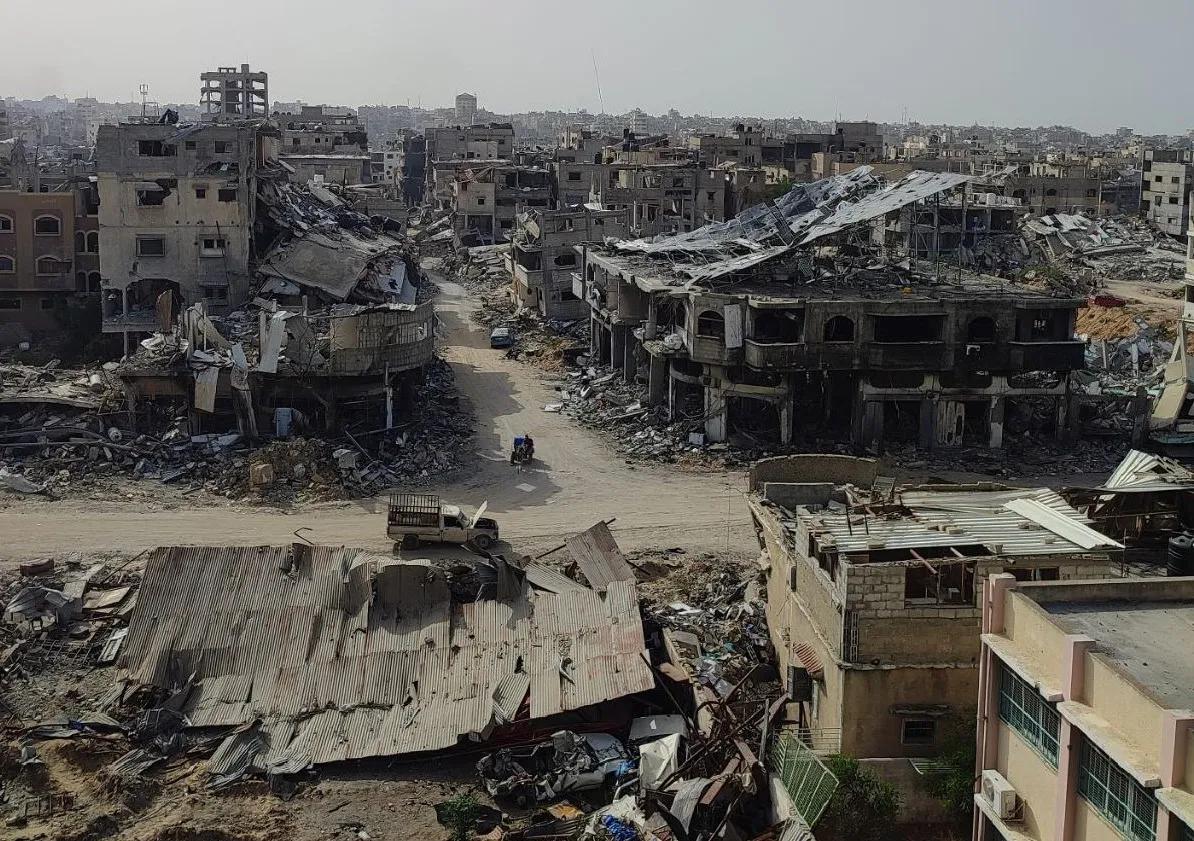
The figure the UN brought to COP31 is not about emissions. It is about hunger: 45 million people in severe and acute food insecurity, and another 30 million pushed into poverty, if the fertiliser ships stay parked outside the Strait of Hormuz.
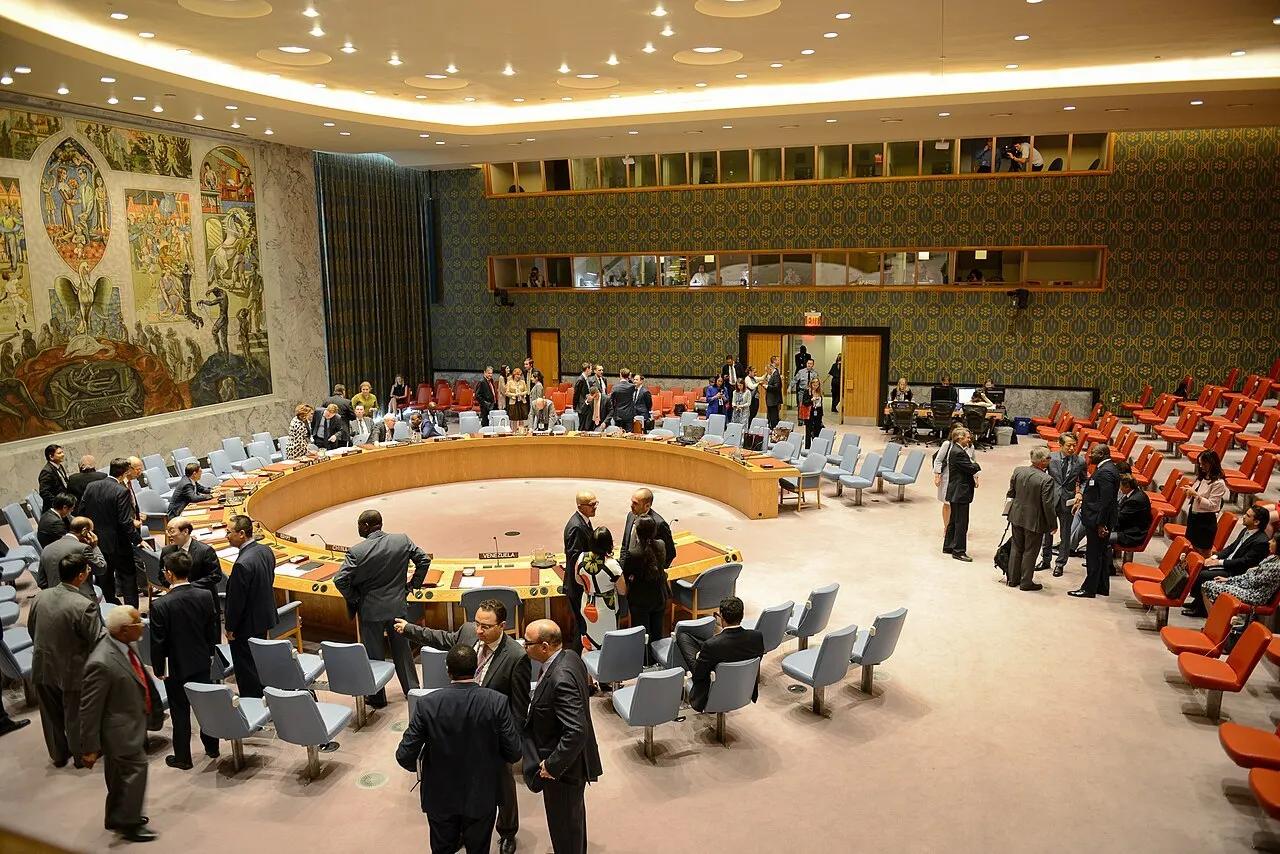
The warning comes from Jorge Moreira da Silva, executive director of the United Nations Office for Project Services (UNOPS) and head of the task force Secretary-General António Guterres created to try to open safe passage for fertiliser and agricultural raw materials. He spoke on Saturday, 14 November, in Antalya, Türkiye, on the sidelines of the climate conference.
The request is blunt and has two addresses: that Iran and the United States allow the shipments through "immediately". And that they not wait for the rest.
"That deal should not avoid an immediate, exceptional, limited and time-bound solution for the fertilizers," Moreira da Silva said, referring to the broader negotiations between the two countries.
Five vessels a day
What the UN is asking for is small against the strait's normal traffic. "Basically what we need is five vessels a day with fertilizers," he said. The logistical mechanism, he added, is ready to start moving shipments seven to ten days after a political agreement.
That disproportion is what organises the argument: before the conflict, roughly one-third of the world's fertiliser passed through Hormuz. With the corridor shut, prices have risen 30% since the blockades began — an increase that falls on those who buy imported fertiliser to plant, not on those who produce it.
Iran's blockade of the strait began after the joint US-Israeli attack on Iran in late February. The Americans, in turn, began blockading Iranian ports.
Where the bill lands first
Moreira da Silva said the "disproportionate impact on the most vulnerable countries" is insufficiently recognised, and named those expected to feel it hardest: Mozambique, Kenya, Sudan, Somalia, Nepal, Bangladesh and Sri Lanka.
Two examples he cited give the measure. Sudan's finance minister said food prices had doubled in six months in a country where war has already pushed tens of millions into dependence on aid. In Nepal, officials report that farmers simply can no longer afford fertiliser.
The arithmetic of the crisis is a matter of calendar, not only of price: an input that arrives after the planting window does not become a harvest. That is why the task force treats the problem as one that cannot wait for a full diplomatic negotiation — the season closes while the talks go on.
In April, setting out how the mechanism would work, Moreira da Silva had already described the UN's own calculation of the hunger risk, based on World Food Programme estimates, and noted that the strait also accounts for roughly 35% of the world's crude oil and a fifth of its liquefied natural gas shipments.
With information from AFP (via Arab News and Gulf News) and UN News.