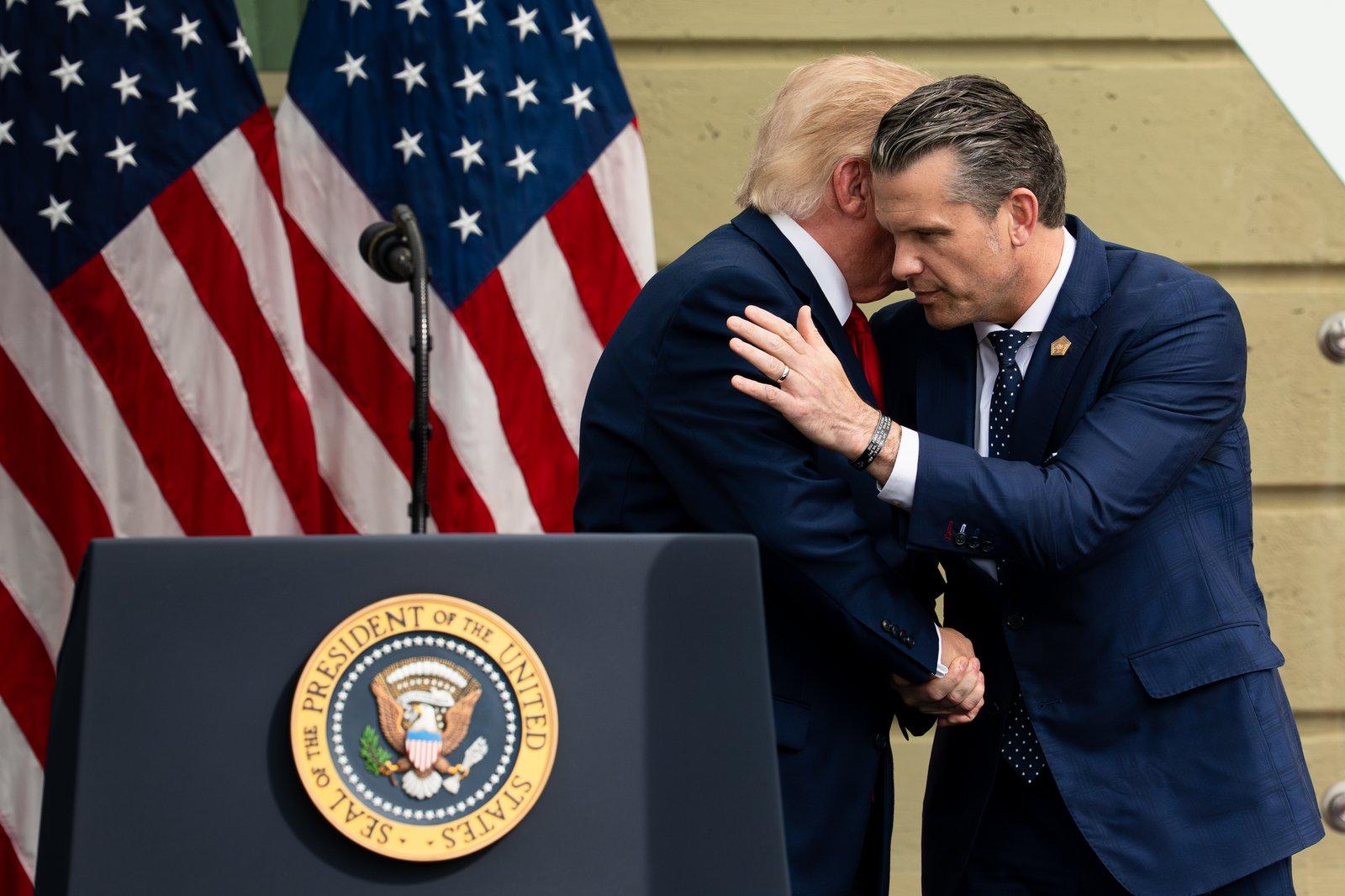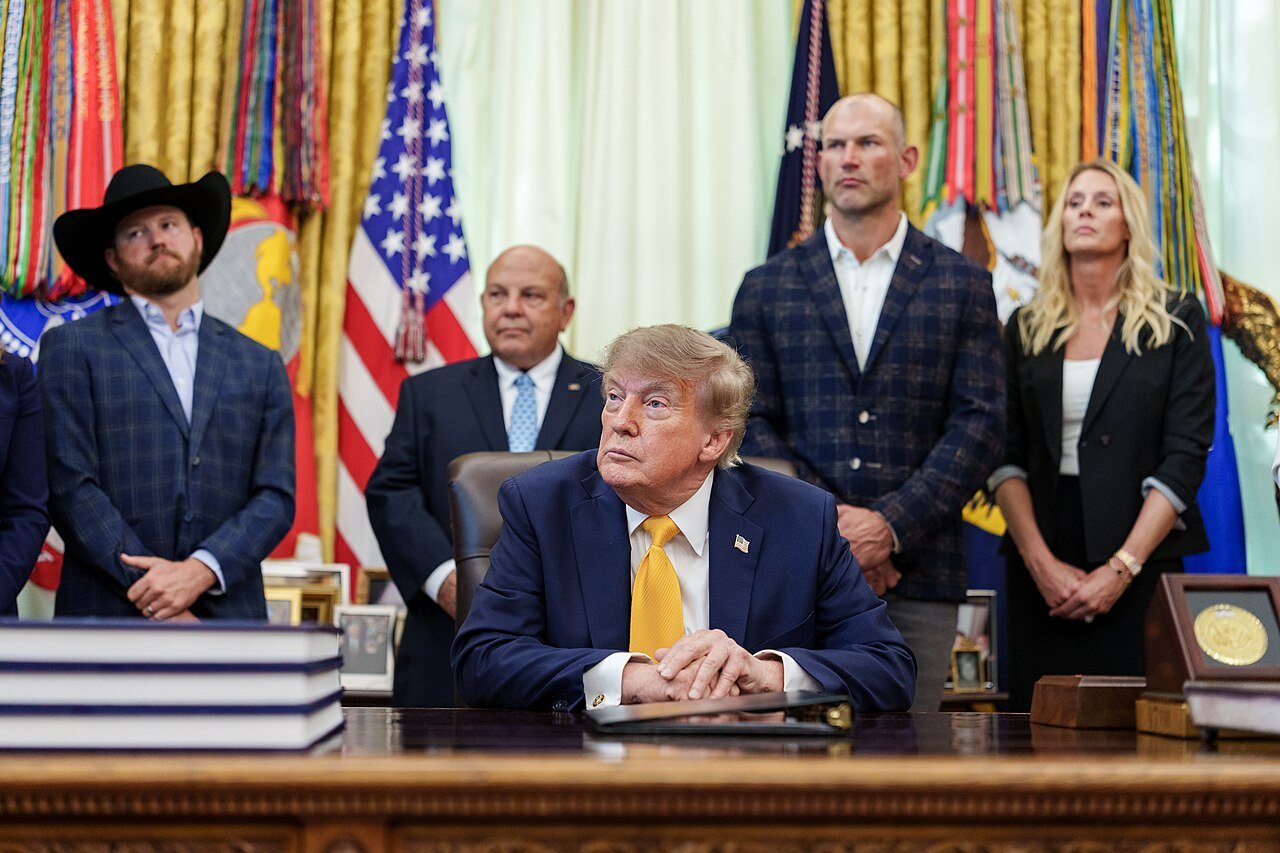
US President Donald Trump signed on 16 September 2026 the annual determination on major drug transit or major illicit drug producing countries for fiscal year 2027. The document, known in Washington as the "Majors List", brings a significant change for Latin America: Venezuela is no longer among the countries that "failed demonstrably" on counternarcotics, a category it had been in for about 20 years.
Who is on each list
The determination names 23 countries as major drug transit or producing countries. Being on that list is not a sanction; it reflects the geography of trafficking.
The category that carries consequences covers countries that, over the previous 12 months, failed to make substantial efforts to meet their international obligations. According to the White House statement, there are four this year: Afghanistan, Bolivia, Burma and Colombia. The designation can cut US assistance unless the president grants a national interest waiver, as happened with Colombia.
Venezuela: "a drastic change of direction"
The text justifies Venezuela's removal by what it describes as a turnaround after the detention and removal from power of Nicolás Maduro, and highlights cooperation by the interim government led by Delcy Rodríguez. Venezuela nonetheless remains on the general list of transit countries.
Colombia, for a second year
Colombia was decertified for the second year in a row, but with a waiver that lets it keep receiving aid. Washington blamed the previous government, whose policies, the document says, pushed coca cultivation and cocaine production to record levels. Trump left the door open to revisiting the designation if the country makes "vigorous" progress on coca eradication and dismantling criminal networks over the next year.
The new president, Abelardo de la Espriella, has pledged an offensive against illicit crops. Colombia's ambassador in Washington, María Consuelo Araújo, attributed the decision to "misgovernment" over the past four years.
Bolivia and Mexico
Bolivia remains among the countries that failed, although the document acknowledges greater cooperation and says the new government has not yet had enough time to reduce coca, whose acreage grew under the previous administration.
Mexico was not decertified. The White House praised cooperation from Claudia Sheinbaum's government but called for additional measures against the criminal organisations that control large parts of its territory.
According to regional media, Honduras, El Salvador, Guatemala, the Dominican Republic and Ecuador are also on the general list of transit or producing countries.
With information from the White House, Semana, Primicias, La Nación (Paraguay) and Infobae.