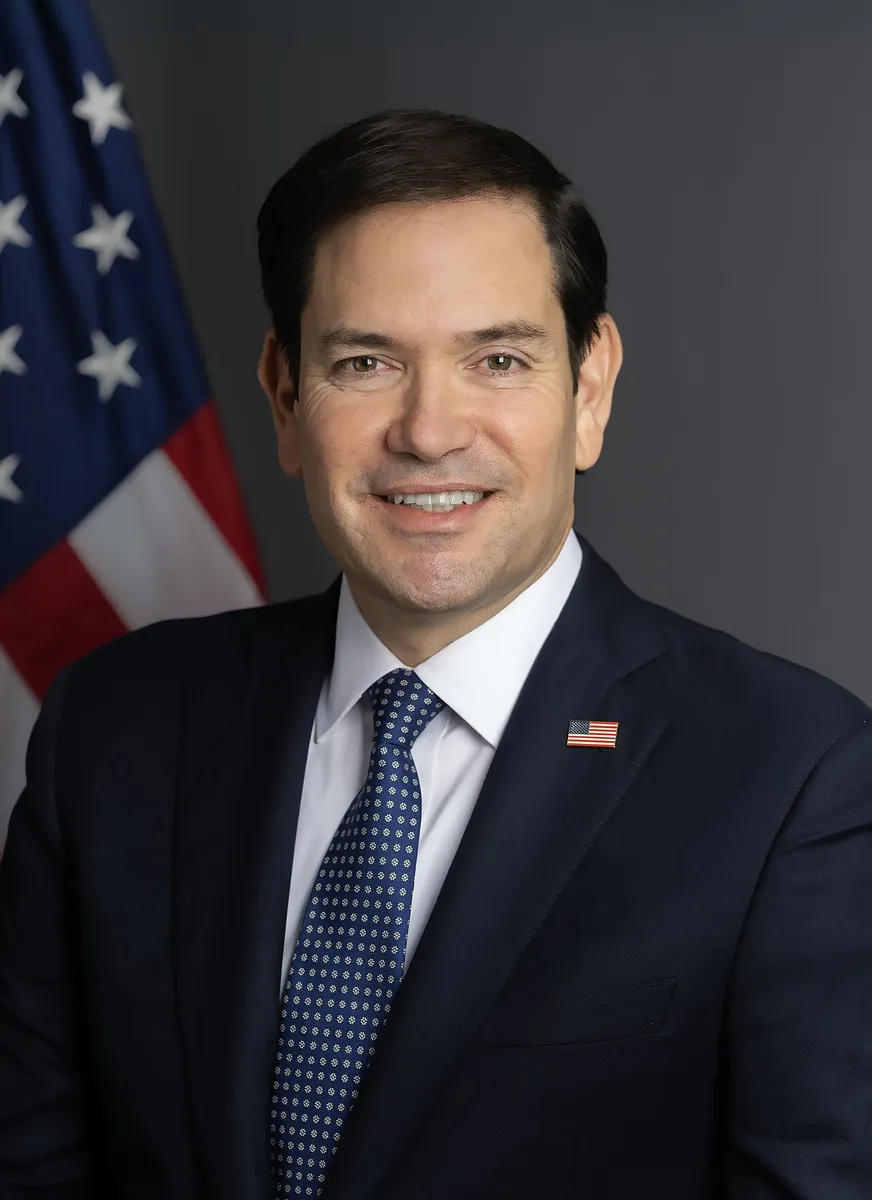
The Trump administration is negotiating an agreement with Venezuela that would set the legal groundwork for a long-term American military presence in the country, according to US officials cited by The New York Times. The State Department, led by Secretary of State Marco Rubio, is running the talks.
The instrument under discussion is a status of forces agreement, or SOFA — the treaty-level text that decides which country's law applies to foreign soldiers on the ground, how they enter and leave, and what they may do while they are there. The State Department says it has negotiated such agreements with more than 100 countries, describing them as pacts that "promote defense cooperation by providing a clear, predictable legal framework" for activities including ship visits, training, exercises and humanitarian assistance.
What a SOFA does not do is say how many troops are coming, or where they would be based. Those questions, according to the officials, would be settled in later agreements.
"Way, way down the road"
A senior State Department official in Caracas said expanded security cooperation is expected, but that any discussion of American bases is "way, way down the road," and that no base talks are under way. Whether the United States would build its own installations or use Venezuelan ones is unresolved.
The footprint today is small. The US Embassy in Caracas resumed operations this year after seven years shut, and keeps one full-time military attaché and a handful of Marines. After the earthquakes in June, Southern Command sent roughly 2,000 troops; they have since left.
State Department officials briefed some congressional aides on the negotiations in late October.
A separate meeting, and what the readout left out
Rubio met Venezuela's foreign minister, Oliver Blanco, at the State Department on Monday, November 2. Neither man spoke to reporters.
The department's own readout of that meeting describes a four-part sequence it attributes to President Donald Trump — "stabilization, economic recovery and political reconciliation, and democratic transition" — and says the two reviewed progress in Venezuelan-led reconciliation talks and the institutional changes meant to allow "free, fair, and credible elections." Rubio pressed for the continued release of political prisoners.
The readout records no commitments, no dates, and no mention of a military agreement.
How Venezuela got here
American troops killed scores of people in a nighttime assault on January 3 and seized Nicolás Maduro, who was flown to a prison in New York. Delcy Rodríguez, a Maduro ally, was sworn in afterward and now governs as interim president; Trump has backed her and said Venezuela is not ready for elections. The US military has also carried out scores of lethal strikes on boats in the Caribbean and the eastern Pacific, which many legal scholars describe as extrajudicial killings.
María Corina Machado, the opposition leader and Nobel Peace Prize laureate, returned to Venezuela in late October after about ten months in exile. She says Rubio's plan "makes clear the holding of presidential elections in 2027," and that she has had no message from Rodríguez or Washington about a meeting. Rodríguez has said elections will be held "with the world as witness" without naming a date.
The oil deal in the background
The military talks sit alongside the energy agreement announced in September, under which the United States takes a position in roughly a fifth of Venezuela's oil resources. It creates a joint venture, North American Blue Energy Partners, owned by Alejandro Betancourt; Caracas grants the company 100-year rights over 17 oilfields holding 65 billion barrels of proven reserves; the Pentagon holds a 35% stake; and the United States is guaranteed the right to buy 20% of output at cost.
Machado has said the arrangement "does not reflect the levels of transparency that Venezuelan society wants." Trump, speaking in Washington on Monday, referred to "our conquest of Venezuela."
Chavismo still commands an estimated 10% to 20% of public support, including inside the military and the security services — the constituency most likely to turn a legal framework for foreign troops into a political fight.
Reporting from The New York Times, Al Jazeera and the US Department of State.