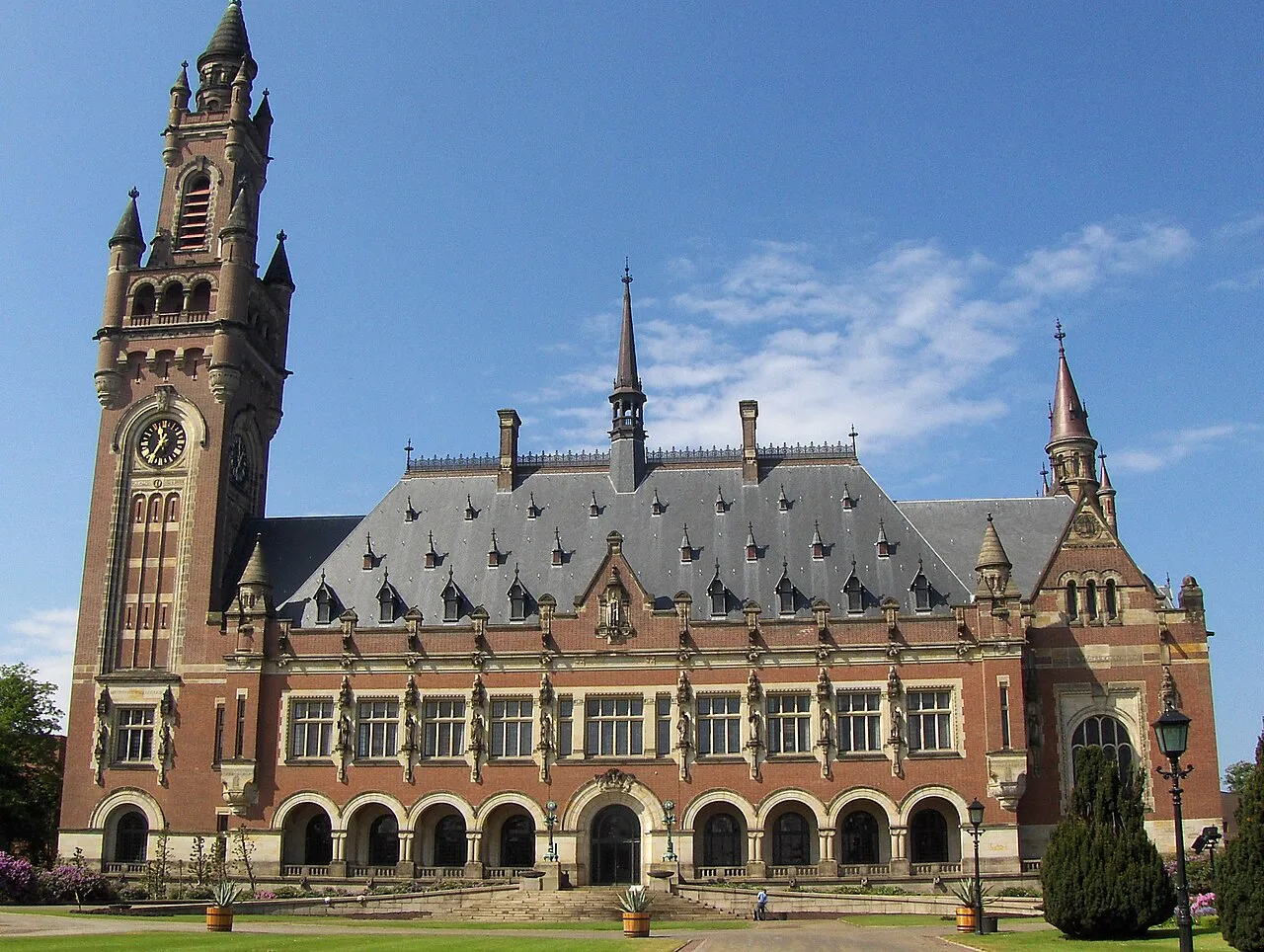
The International Court of Justice (ICJ), the principal judicial organ of the United Nations, ruled on Thursday in The Hague that Myanmar committed genocide against the Rohingya Muslim minority in northern Rakhine state, in breach of the Convention on the Prevention and Punishment of the Crime of Genocide.
The reading of the judgment, led by the court's president, Japan's Yuji Iwasawa, took about three hours. The central finding was adopted by nine votes to six among the 15 judges. The decision is final and cannot be appealed.
It is the first time the ICJ has held a state responsible for genocide. The court had examined such allegations in earlier cases but had never concluded that a country acted with the specific intent the convention requires.
What the court found proven
According to the judgment, Myanmar's security forces intentionally committed genocidal acts that include killing, causing serious bodily or mental harm and imposing measures intended to prevent births. The court said the country's forces "killed thousands of Rohingya civilians" and carried out widespread sexual violence. According to Al Jazeera, Iwasawa cited evidence of some 10,000 deaths.
The judges concluded that the intent to destroy "a substantial part" of the Rohingya was "the only reasonable inference" from the evidence, and rejected the alternative explanations Myanmar offered, such as counterinsurgency or forced displacement. Human Rights Watch (HRW) notes that the court placed the genocide in the so-called "clearance operations" of 2016 and 2017 — the military campaign that, from August 2017, drove more than 700,000 Rohingya to flee to Bangladesh.
Myanmar has always denied the accusations, arguing that the offensive was a response to attacks by a Rohingya armed group on police posts.
What Myanmar has been ordered to do
The court ordered the country to cease its ongoing violations, among them the absence of domestic legislation on the convention and its failure to investigate and punish the crime. Myanmar must investigate all suspects, prosecute and punish those responsible, and give guarantees of non-repetition.
On reparations, the court recognised that The Gambia — which brought the case — is entitled to seek reparations on behalf of the victims, and listed measures of restitution: facilitating the "safe and voluntary return" of the Rohingya, returning or replacing collective property, assisting the search for the disappeared and proper burials, providing physical and psychological rehabilitation, and ensuring protection from persecution. Where restitution is "materially impossible", compensation is due — an amount the court said it could not set itself at this stage.
Myanmar must file a compliance plan within two years, by November 2028.
A case filed in 2019
The case was brought in November 2019 by The Gambia, backed by the 57-member Organisation of Islamic Cooperation (OIC). It was the first time a state with no direct connection to the events used its standing as a party to the Genocide Convention to sue another country. In January 2020, the court imposed provisional measures on Myanmar — at a hearing where the then civilian leader, Aung San Suu Kyi, appeared in person to rebut the allegations. Eleven countries intervened in the proceedings, among them France, Germany, the Netherlands, Canada, the United Kingdom, Ireland, Belgium, Denmark, Slovenia, the Maldives and the Democratic Republic of the Congo.
"This judgement is a landmark victory for the Rohingya people," said Arsalan Suleman, a lawyer on The Gambia's team. For Maria Elena Vignoli of HRW, the ruling is "long-awaited recognition of the suffering the Rohingya have endured". Amnesty International said it hoped the decision "marks the beginning of a long overdue process of accountability in Myanmar".
The limits of the judgment
The ICJ has no enforcement powers of its own. If it considers that Myanmar is not complying, The Gambia can take the case to the UN Security Council, which may make recommendations or decide upon measures — a discretionary power that, HRW notes, has never been used for this purpose. Myanmar is now led by Min Aung Hlaing, the general who commanded the 2017 operations and installed himself as president after elections that human rights groups call fraudulent.
With information from Al Jazeera and Human Rights Watch.