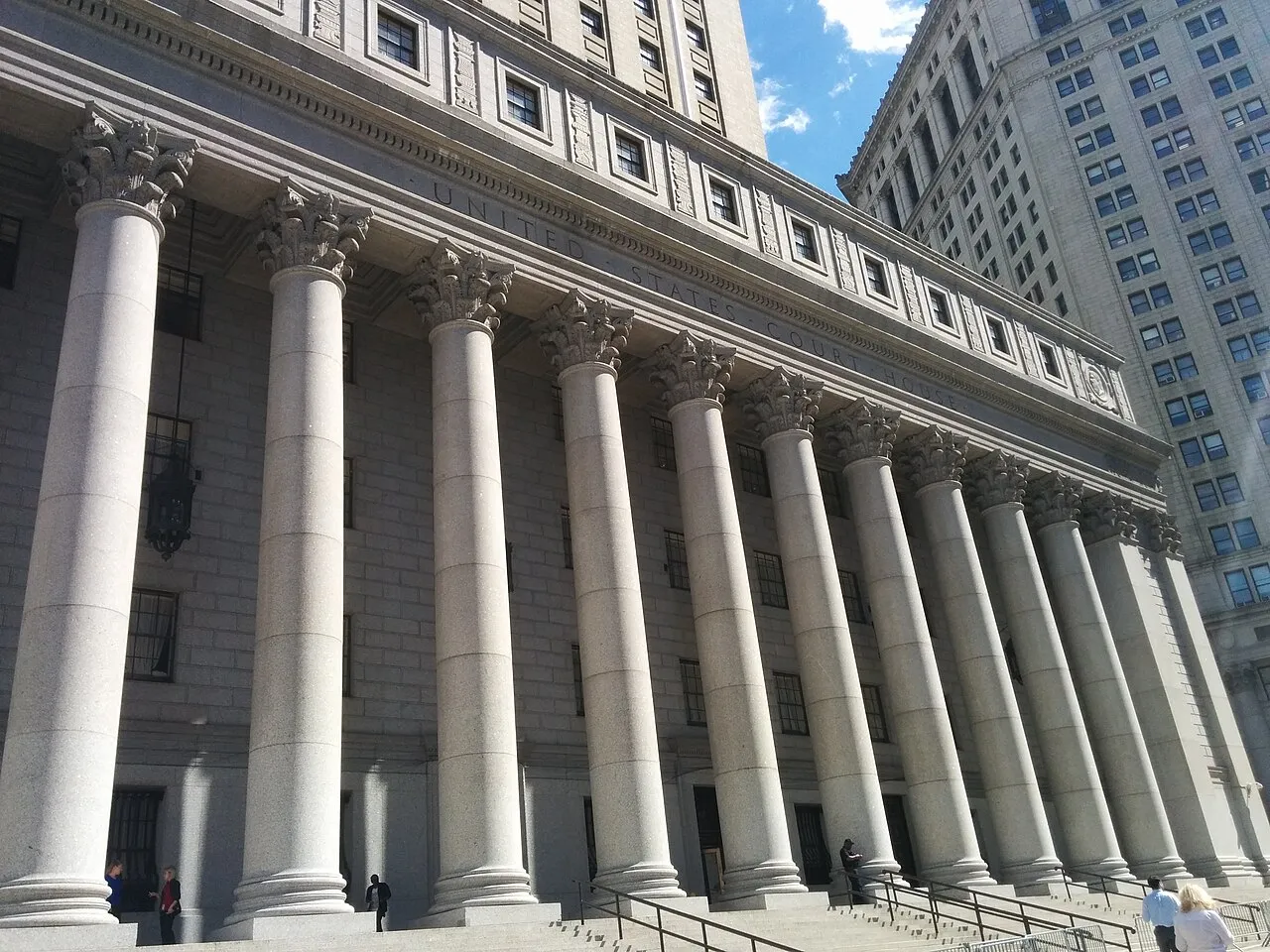
A federal appeals court reopened on Monday, November 23, 2026 the route by which President Donald Trump hopes to have his New York felony conviction thrown out, reversing a lower-court ruling that had kept the case in state hands.
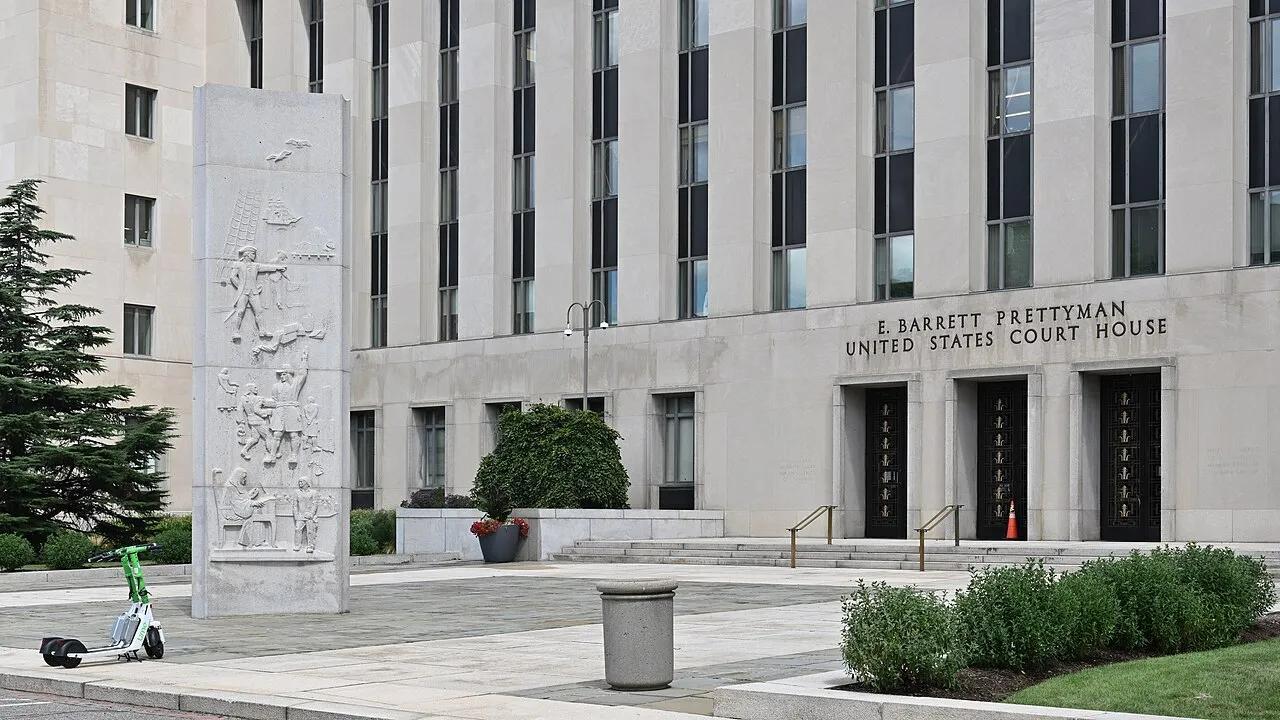
In a two-page order, the US Court of Appeals for the Second Circuit held that the district court erred in deciding that removal — the transfer of a case from state to federal court — is "categorically unavailable in a state criminal case" once a defendant has been convicted. The panel sent the question back and directed a federal judge in Manhattan to rule promptly on Trump's request. No deadline was set.
The order does not disturb the jury's verdict, and it does not decide whether the case will in fact move. It restores a question that a district judge had closed.
What is at stake
Trump was convicted in May 2024 on 34 felony counts of falsifying business records. Prosecutors said he disguised reimbursements to his then-lawyer Michael Cohen as legal fees, to conceal a $130,000 payment made to the adult film performer Stormy Daniels shortly before the 2016 election. Falsifying records is a misdemeanor under New York law; it becomes a felony when done to further another crime, and prosecutors argued the other crime was a violation of state election law.
At sentencing in January 2025, Trump received an unconditional discharge: no prison, no fine, no probation. The conviction itself stayed on his record, and it is the conviction he is trying to erase.
Federal court matters to him because of what he could argue there. His lawyers contend that federal officers, presidents included, are entitled to be tried in federal court for charges arising from conduct performed in office, and that prosecutors in Manhattan relied on evidence that presidential immunity would have kept out — among it, according to his attorney Robert Giuffra Jr., testimony about Oval Office conversations, White House workflow and social media posts.
That argument rests on the Supreme Court's July 2024 immunity decision, which held that presidents cannot be prosecuted for official acts and that prosecutors cannot use official acts as evidence that unofficial conduct was illegal. What counts as an official act remains unsettled. Manhattan prosecutors have argued throughout that paying and concealing hush money was not part of anyone's official duties.
Three refusals, and a judge who died
Trump first asked to move the case weeks after his March 2023 indictment, and asked again after the conviction. Senior US District Judge Alvin Hellerstein turned him down three times, most recently in August 2026, writing that "paying hush money to an adult film star or engaging in a cover-up of an embarrassment are not subsumed in presidential immunity."
The Second Circuit had already once sent the matter back to Hellerstein, saying he had failed to weigh "important issues relevant" to the request while expressing no view on how it should come out. Hellerstein died in October at the age of 92. The case now goes to another federal judge in Manhattan, not yet named.
According to The Associated Press, the panel that issued Monday's order was made up of Judges Raymond J. Lohier Jr., John M. Walker Jr. and José A. Cabranes. Lohier and Cabranes were appointed by Democratic presidents, Walker by a Republican. The order records no dissent.
A second appeal goes quiet
Monday's ruling also freezes Trump's parallel route. He is separately appealing the conviction in New York's state courts, where the Appellate Division heard arguments on November 5 and has not ruled. The AP reported that the state appeal is now halted and could be blocked indefinitely while federal jurisdiction is sorted out; Giuffra wrote to the Appellate Division asking that no further state proceedings occur in the meantime.
That is the practical effect worth noting. Giuffra told the appeals judges that without federal intervention his client "will likely have to wait years" for the state courts. The order he won delays the state appeal he says is too slow, and shifts the fight to a forum that has now sided with Trump twice on the threshold question of federal intervention.
If the Manhattan judge rules for Trump, the case returns to the Second Circuit, where he can ask that the verdict be discarded on immunity grounds.
A spokesperson for Trump's legal team said in a written statement that the president "appreciates the 2nd Circuit's prompt and correct ruling, as he continues to win against Democrat weaponization of our Justice System." The Manhattan District Attorney's office declined to comment; its appeals chief, Steven Wu, had urged the panel to leave Hellerstein's ruling in place. Trump denies wrongdoing and denies Daniels's account.
Reporting from The Associated Press and Al Jazeera.