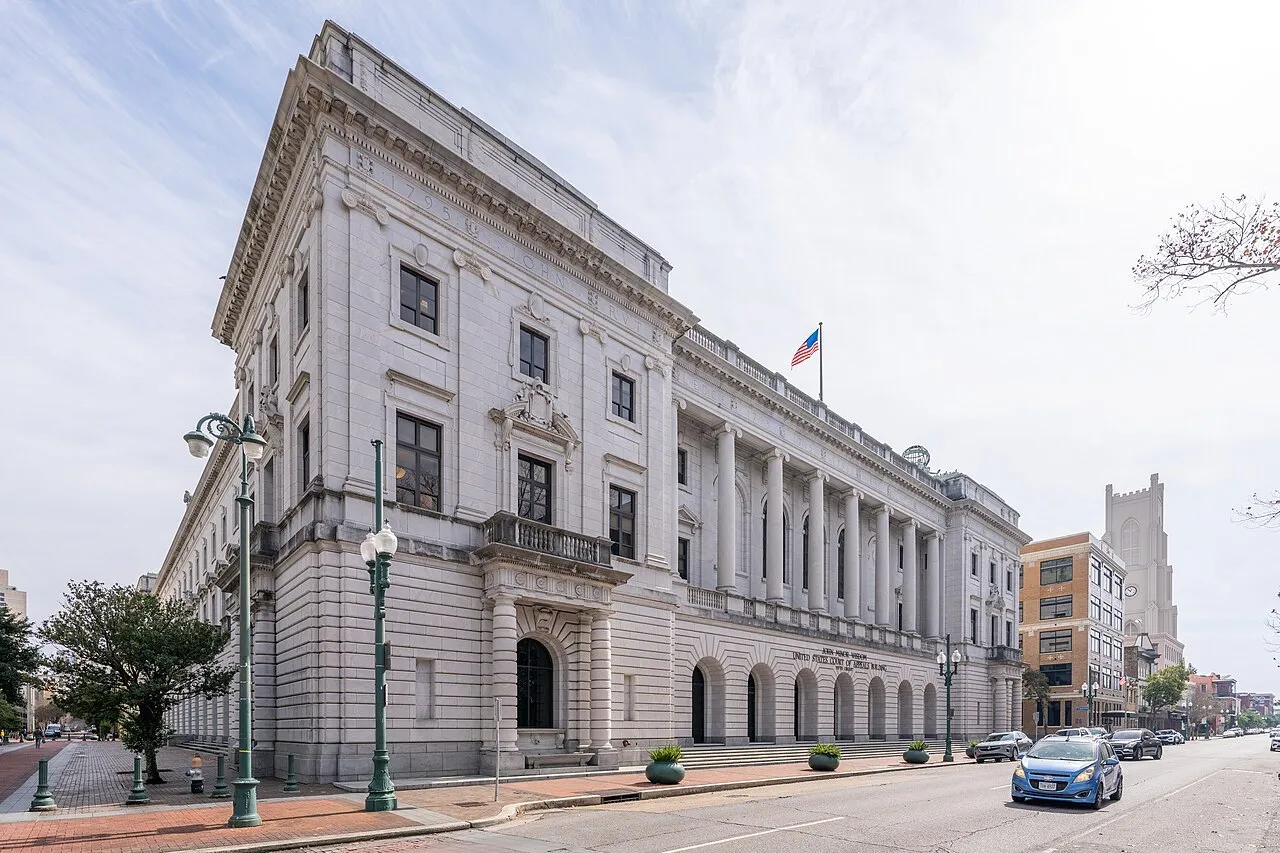
The Pregnant Workers Fairness Act — the 2022 law that obliges employers to make room at work for pregnancy and childbirth — was struck down on Friday, November 20, 2026, by the full Fifth U.S. Circuit Court of Appeals in New Orleans. The vote was 9-8, and the reasoning had nothing to do with pregnancy. The court held that the House of Representatives never had a constitutional quorum when it approved the bill, because most of its members were not in the room.
Proxy presence does not count
The act reached the president's desk folded into a $1.7 trillion government funding package that the House cleared in December 2022, with bipartisan support. At the time the chamber was still operating under rules adopted during the Covid-19 pandemic that allowed an absent member to designate a colleague to record a vote on their behalf.
The Constitution's Quorum Clause says that a majority of each chamber shall constitute a quorum to do business. The Fifth Circuit's majority read that as a requirement about bodies in a building. "'Proxy presence' does not count," the court wrote, concluding from the clause's "text, context, original understanding and unbroken historical application" that members have to be present to be counted toward a quorum. The majority said the Supreme Court had settled the question more than 125 years ago.
The eight dissenting judges would have upheld the law, and pointed at what the state challenging it had already accepted from the same bill. "The State of Texas, having accepted the vast majority of the funds that Congress appropriated to it, now contends that the portion of the bill providing protections for pregnant women and workers violates the Quorum Clause," they wrote.
What the law requires
The act strengthened the right of pregnant employees to workplace accommodations for needs tied to pregnancy and childbirth — time off for medical appointments, or exemption from heavy lifting, among them. It passed with support from both parties after years of lobbying, and had been in force since 2023.
A case that began in Texas in 2023
Texas Attorney General Ken Paxton sued in 2023 to block the act on constitutional grounds. In 2024 a federal district judge agreed with the state and blocked enforcement of the law against Texas state employees. A three-judge panel of the Fifth Circuit went the other way in 2025, finding the act had been properly passed under the House's pandemic-era rules; that decision was then taken to the full court, which has now reversed it.
The Justice Department under President Donald Trump has continued to contest Paxton's lawsuit. A request for comment left with the department on Sunday drew no response, according to the Associated Press.
Three states now, and a wider question
Advocates say the decision invalidates the law in the three states covered by the Fifth Circuit — Texas, Louisiana and Mississippi — and could imperil it elsewhere. A Better Balance, the group that pushed for the act's passage, said on Friday the ruling would likely be appealed to the U.S. Supreme Court. No appeal had been filed by the weekend.
"The 5th Circuit has put the health, livelihoods, and economic security of millions of American women and their families at risk," said Inimai Chettiar, the organization's president, who called the ruling "legally unsound and short-sighted."
The reasoning reaches past this one statute. Every bill the House passed while proxy voting was in effect was approved the same way, including several large spending measures. If proxy presence is not presence, the question of which other pandemic-era laws were validly enacted is now open, and the Fifth Circuit has handed future challengers a 9-8 precedent to build on.
Reporting from the Associated Press via PBS NewsHour, the Washington Examiner and Just Security.