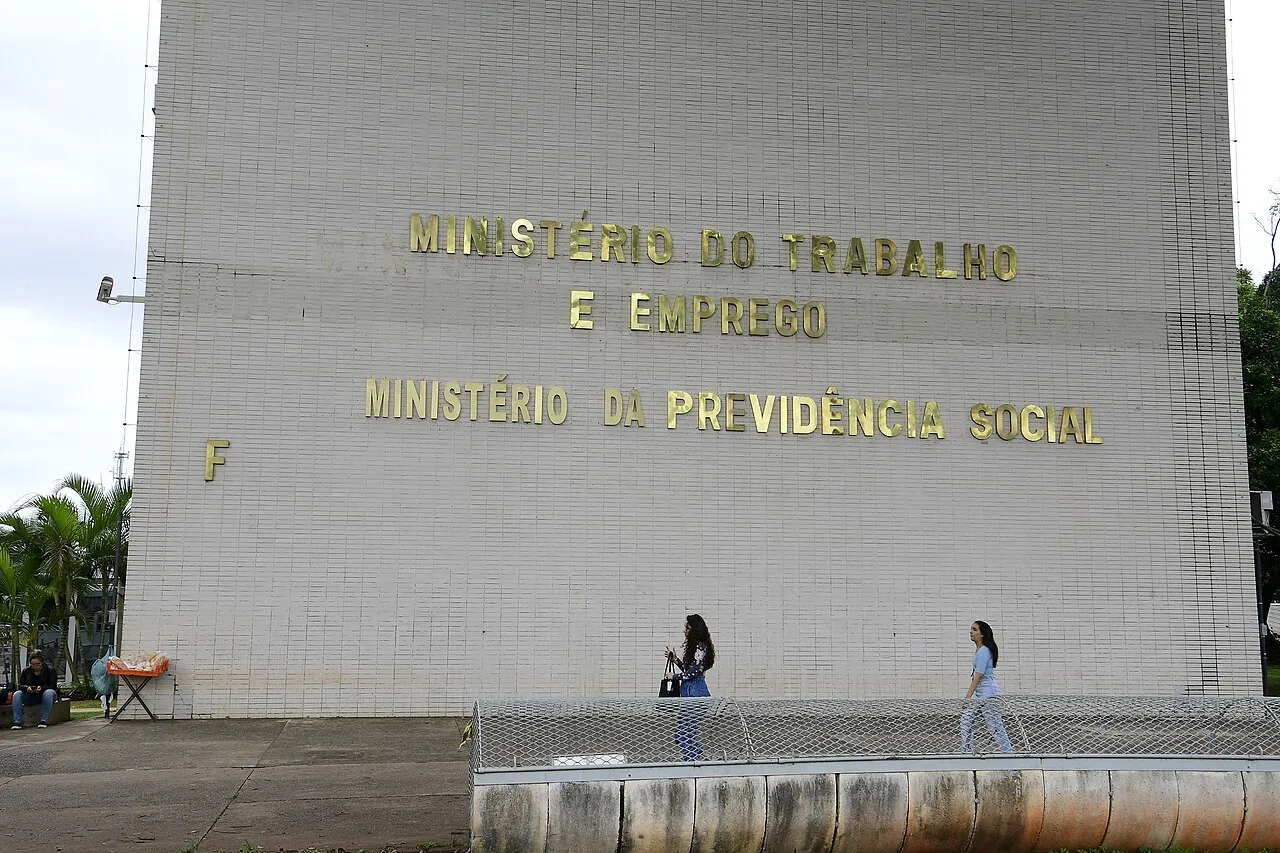
Brazil ended September with 121,305 net formal jobs created — 2,214,437 hirings against 2,093,132 dismissals — according to Novo Caged, the payroll register published by the Ministério do Trabalho e Emprego (Ministry of Labour and Employment, MTE). The figure is positive, but it is 43.5% smaller than September 2025 (214,609 jobs) and 24.7% below August of this year (161,062).
The stock of active formal employment contracts in the country reached 48,359,577.
The year slowed down too
From January to September, the country has added 1,248,914 jobs, against 1,731,398 in the same period of 2025 — a drop of 27.9%. Over the 12 months to September, the net figure is 787,073 positions, growth of 1.65% in the stock.
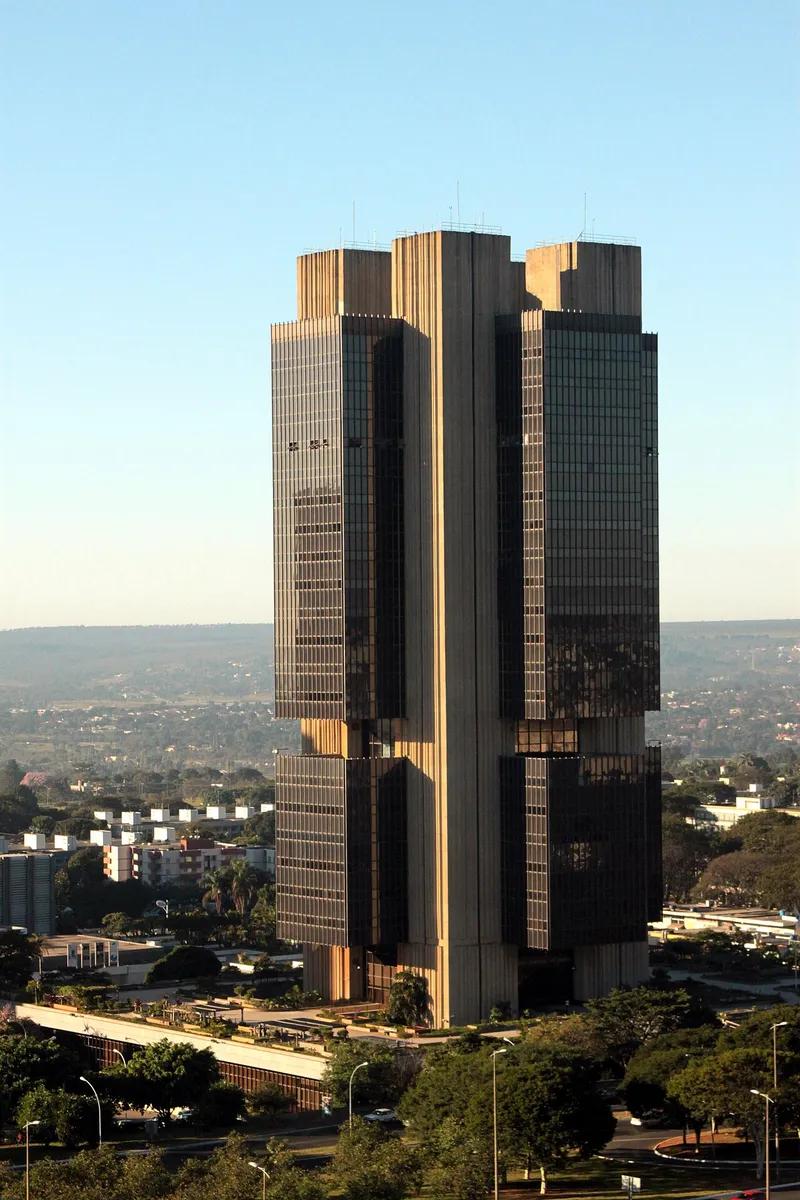
It is this same cooling that Brazil's central bank pointed to on Wednesday, when it held the Selic rate at 13.75% a year: the statement from the Comitê de Política Monetária (Copom), its rate-setting committee, cites moderating activity and signs of a cooling labour market, while still describing it as resilient.
Services hold up the figure, farming in the red
| Sector | September net total |
|---|---|
| Services | +81,241 |
| Industry | +19,285 |
| Retail and wholesale | +15,697 |
| Construction | +9,468 |
| Farming | −4,381 |
Within services, the largest gains came from administrative activities (18,386) and human health and social services (15,403). In construction, infrastructure works accounted for 4,669 positions.
Farming was the only sector in negative territory, and the losses are concentrated in fixed-cycle crops: coffee came in at −5,548 and garlic at −1,396, numbers that reflect the harvest calendar rather than a sectoral crisis.
For the year to date, services lead with 775,774 jobs, followed by construction (207,434) and industry (188,563).
Geography and pay
Twenty-six of Brazil's 27 federal units posted gains in September. The exception was Rio Grande do Sul, at −2,937 positions (a 0.10% fall). In absolute terms the largest gains were in São Paulo (19,391), Pernambuco (13,371) and Alagoas (11,110); in relative growth, Alagoas (2.47%), Amapá (1.35%) and Roraima (1.23%) came out ahead. For the year to date all 27 units are positive, led by São Paulo (322,551), Minas Gerais (129,777) and Rio de Janeiro (86,489).
The average real starting wage stood at R$2,429.41, essentially flat against August (R$2,430.51, a 0.05% fall) and 1.88% above September 2025 (R$2,384.50). The gap between contract types remains wide: standard contracts, 78.1% of the month's hirings, paid an average of R$2,480.24, against R$2,054.61 for non-standard ones.
With information from Agência Gov and CNN Brasil, drawing on Novo Caged data.